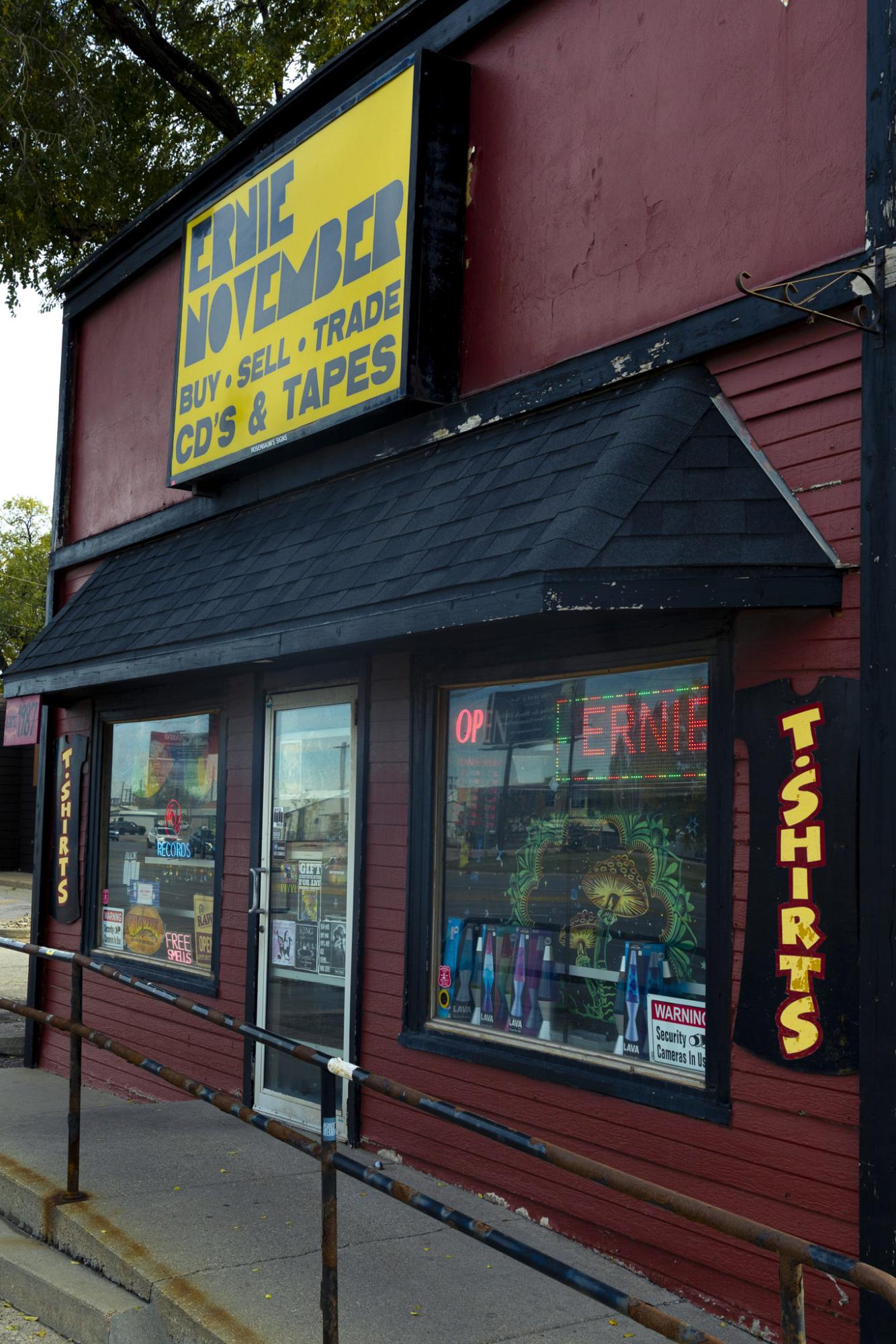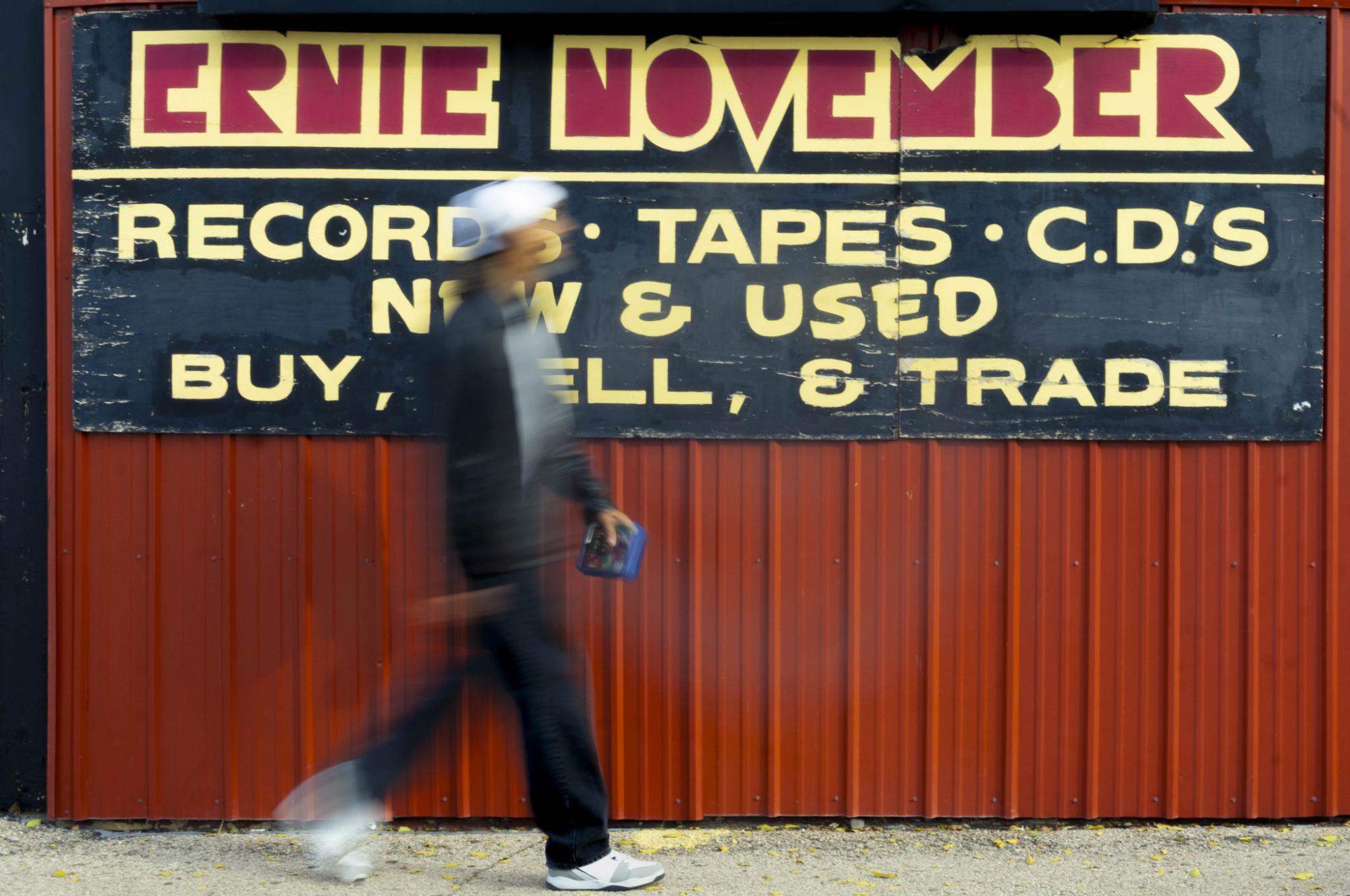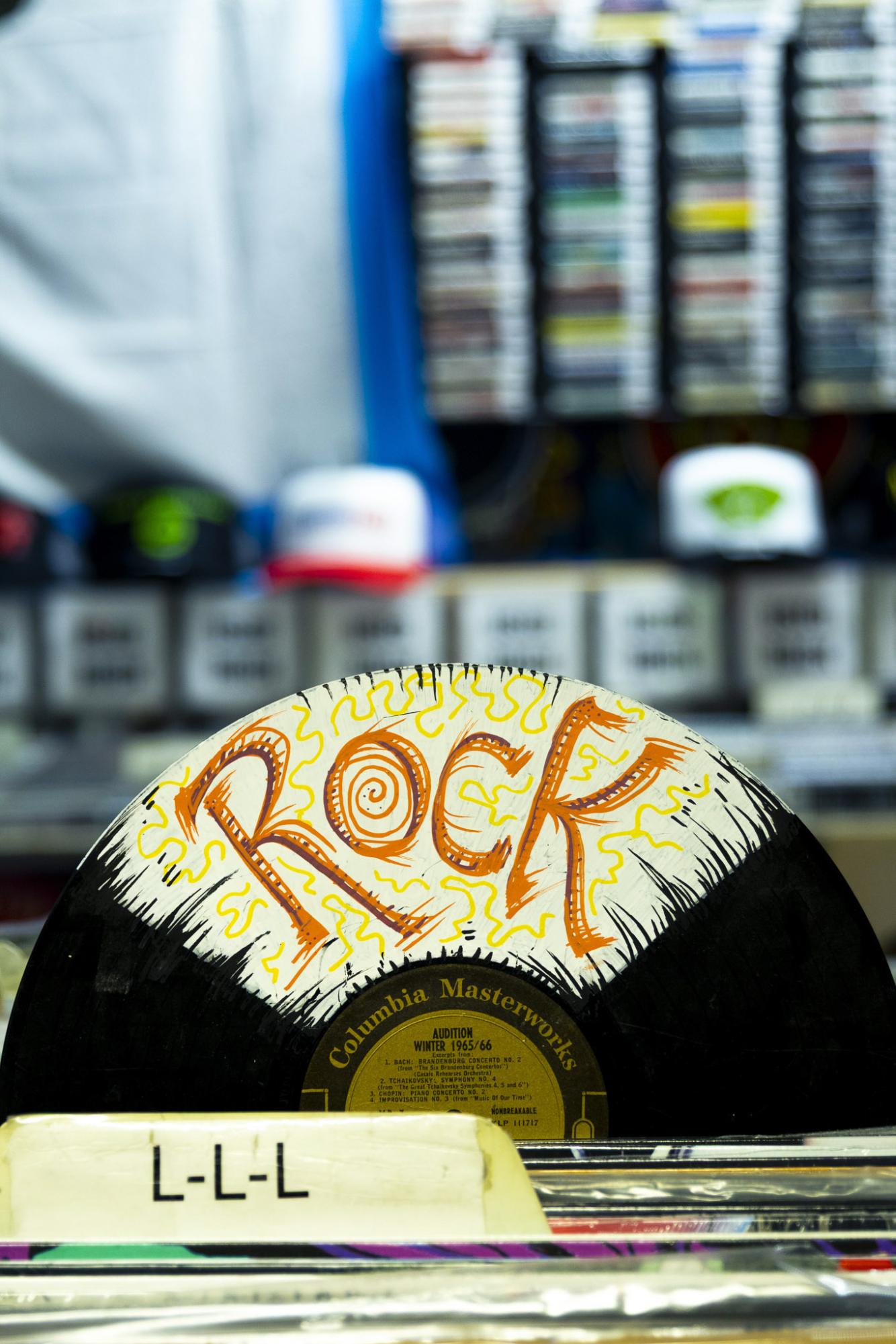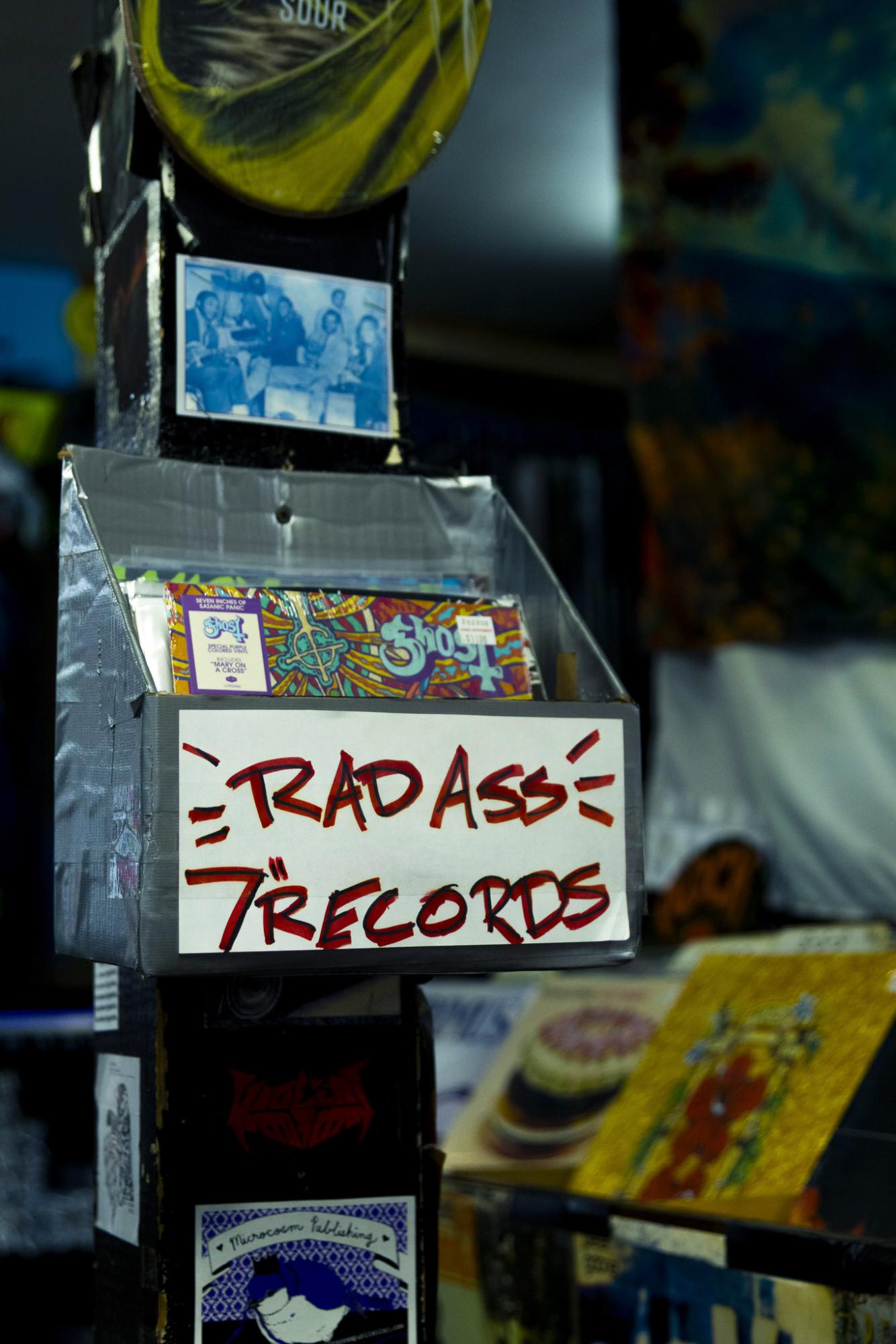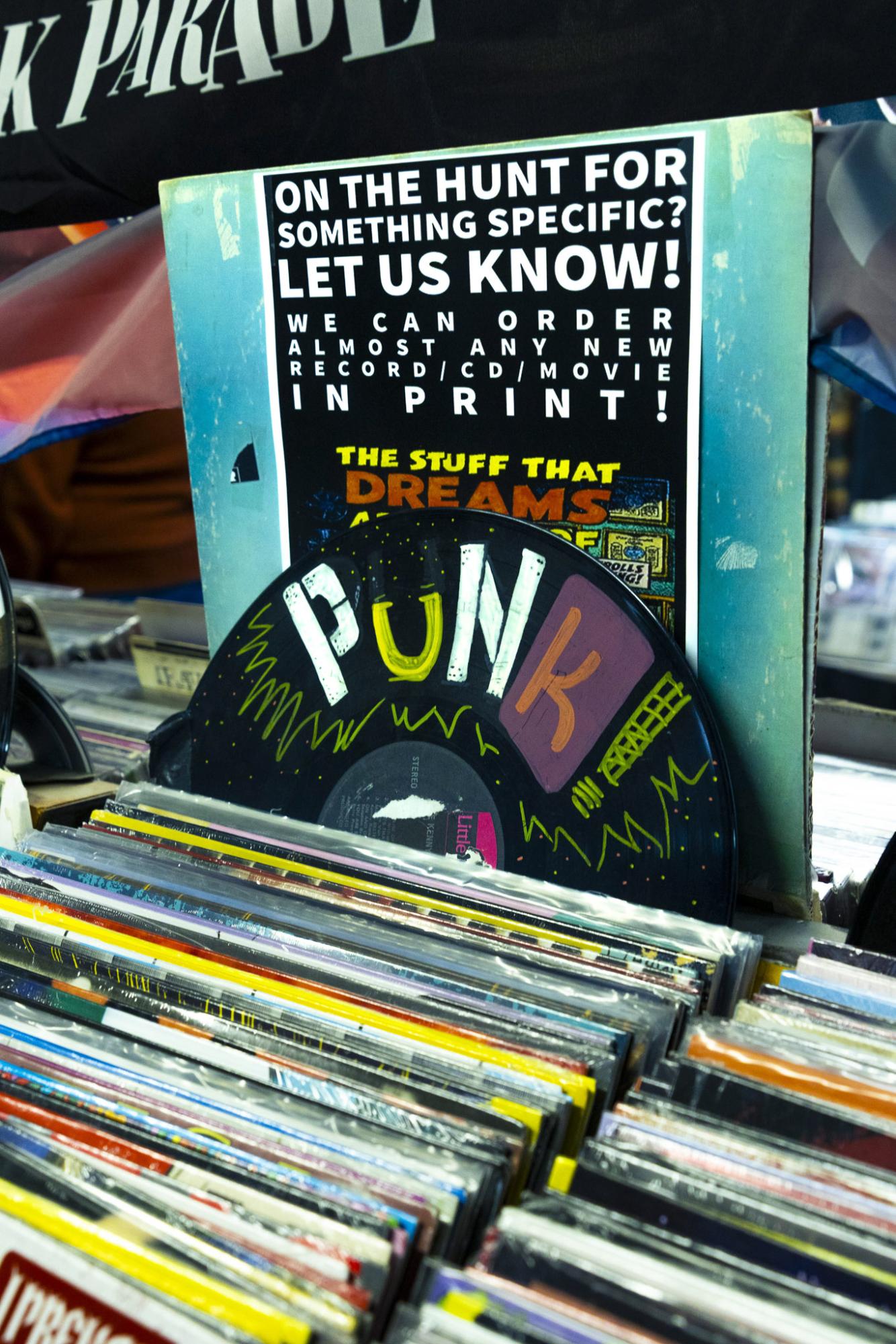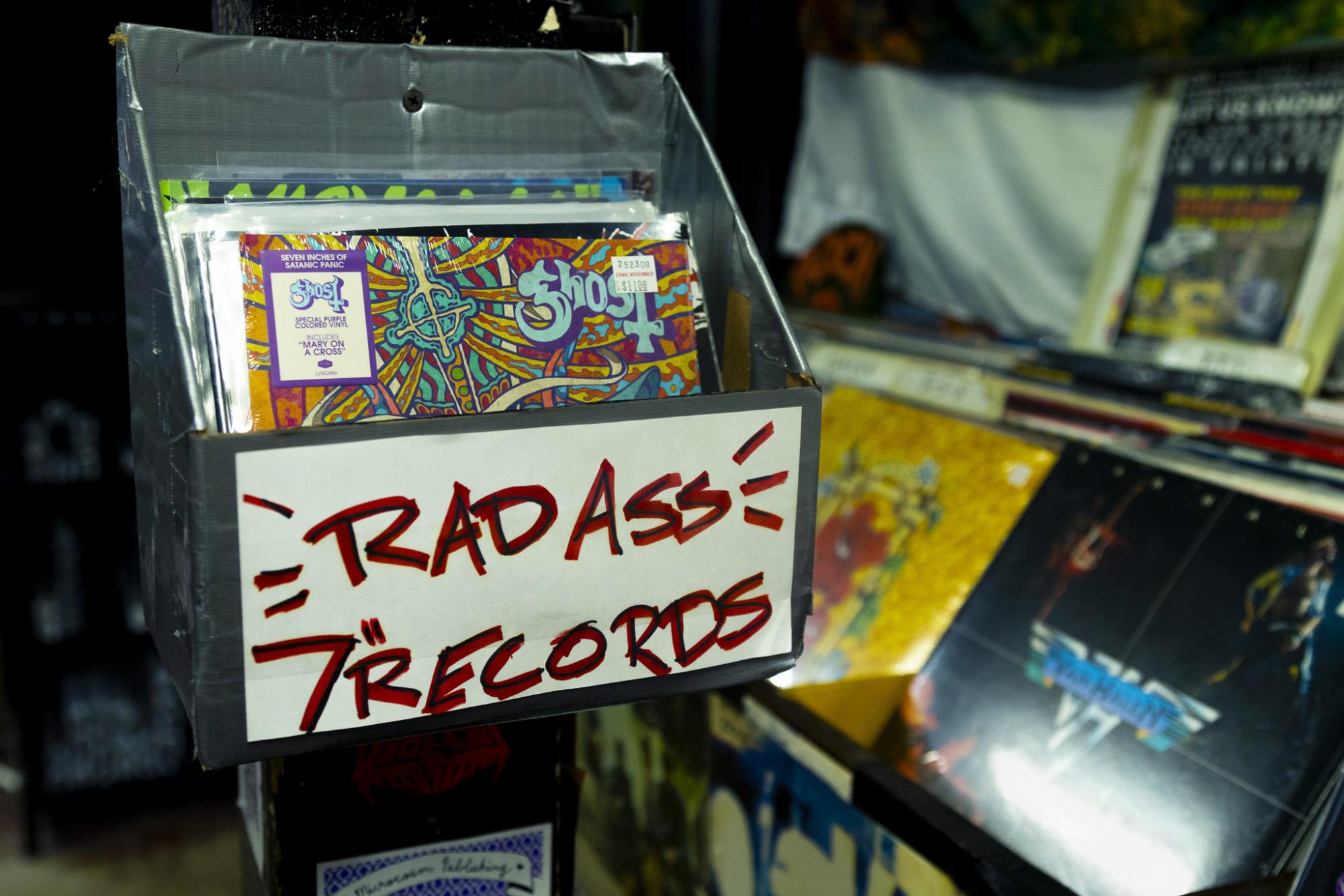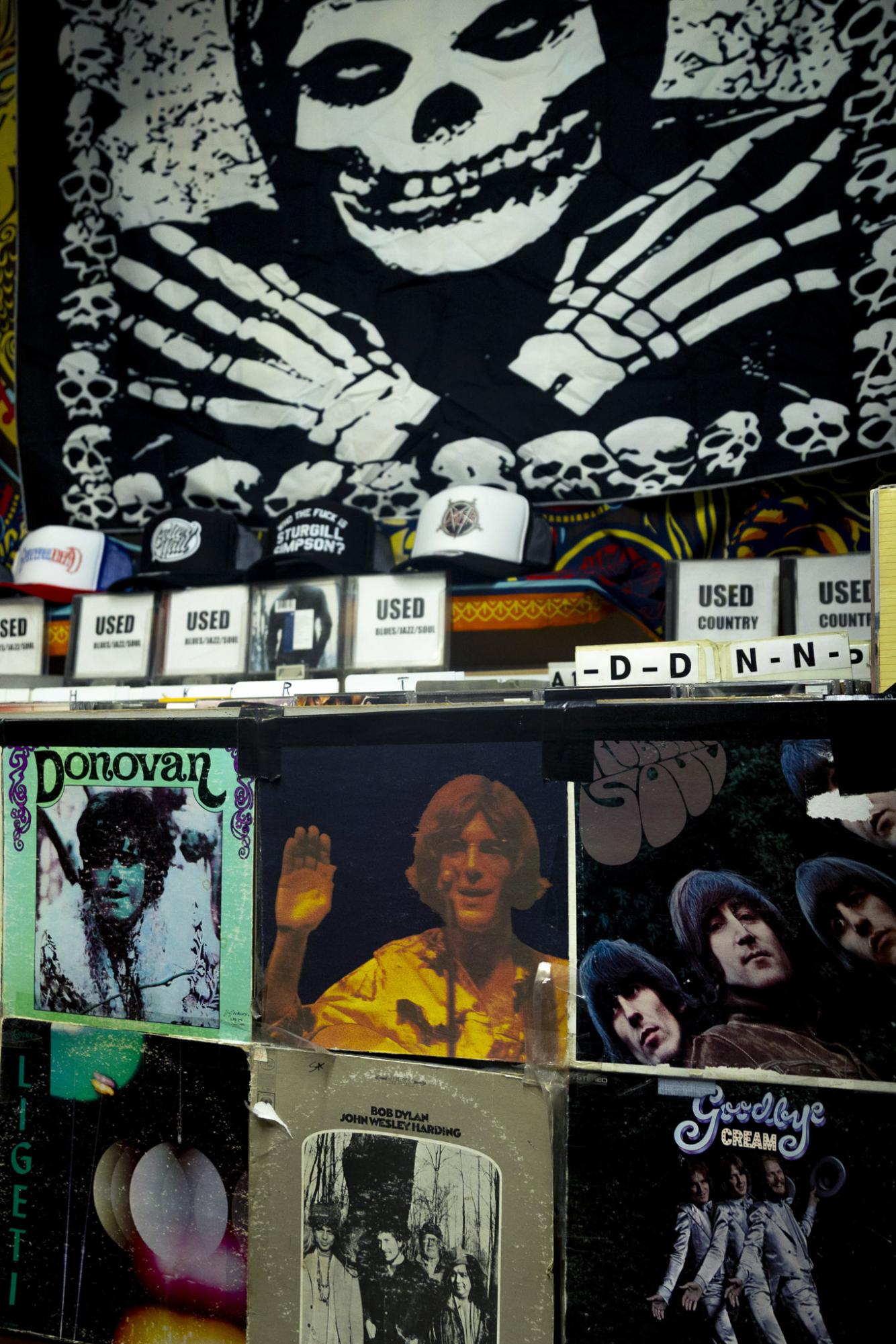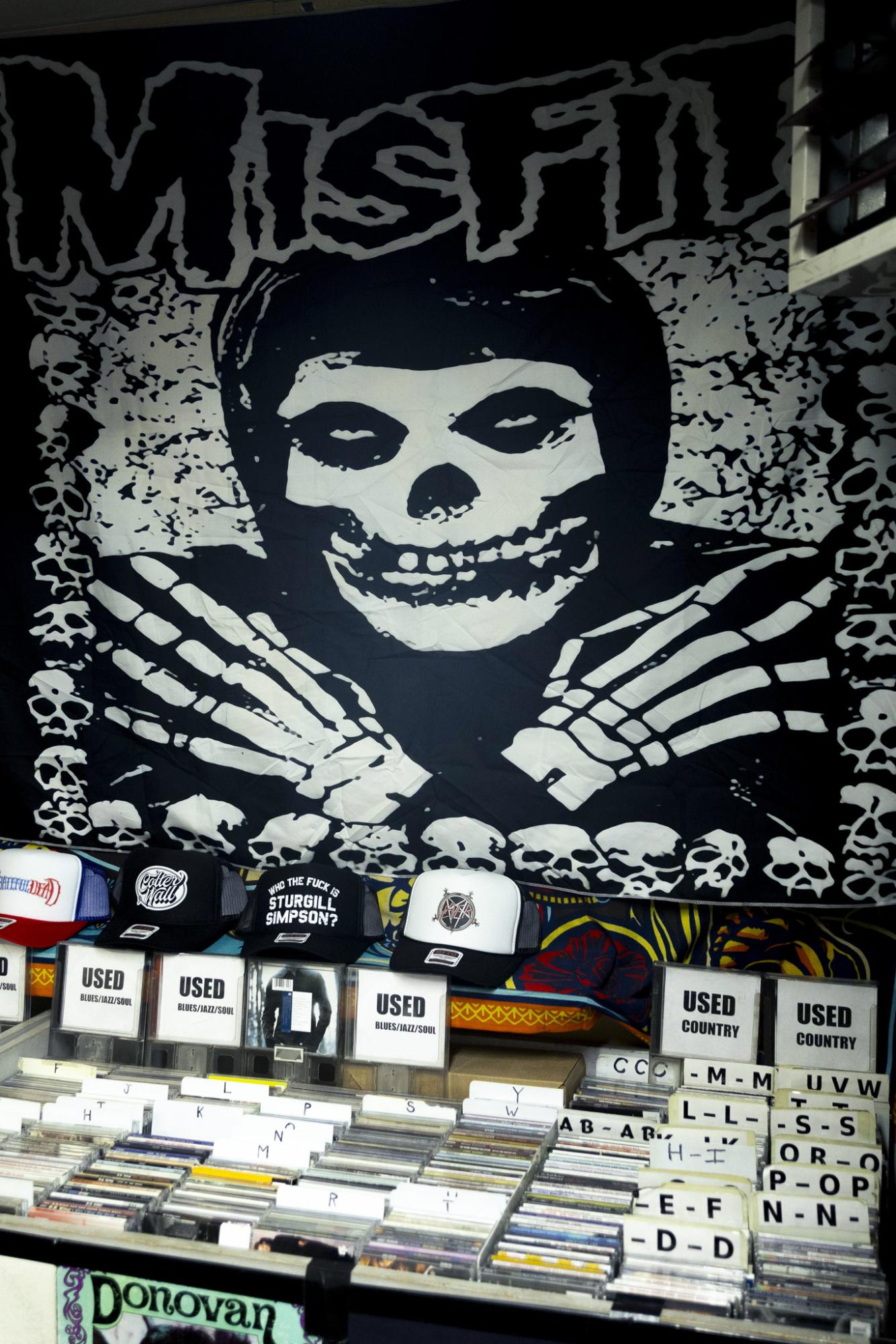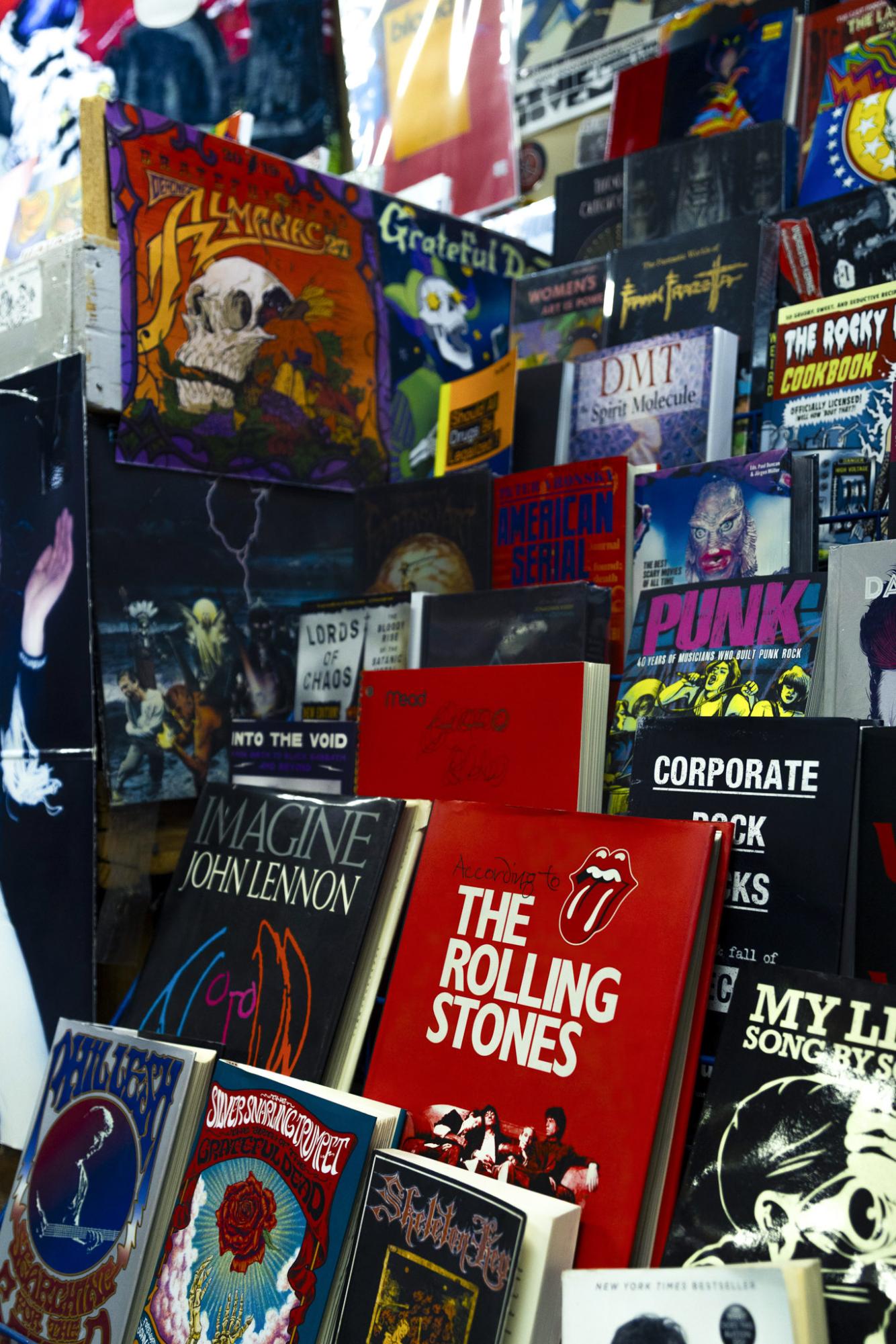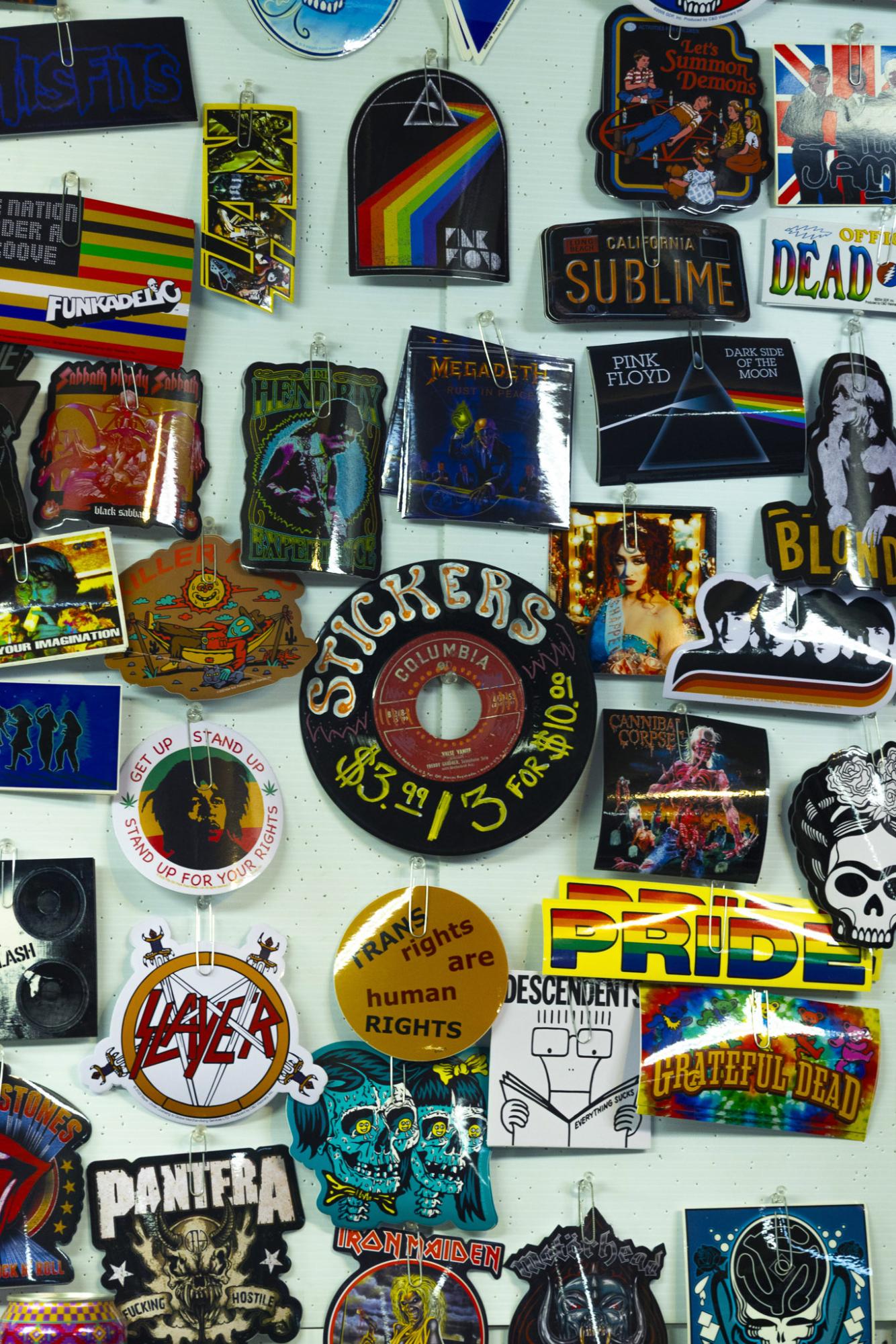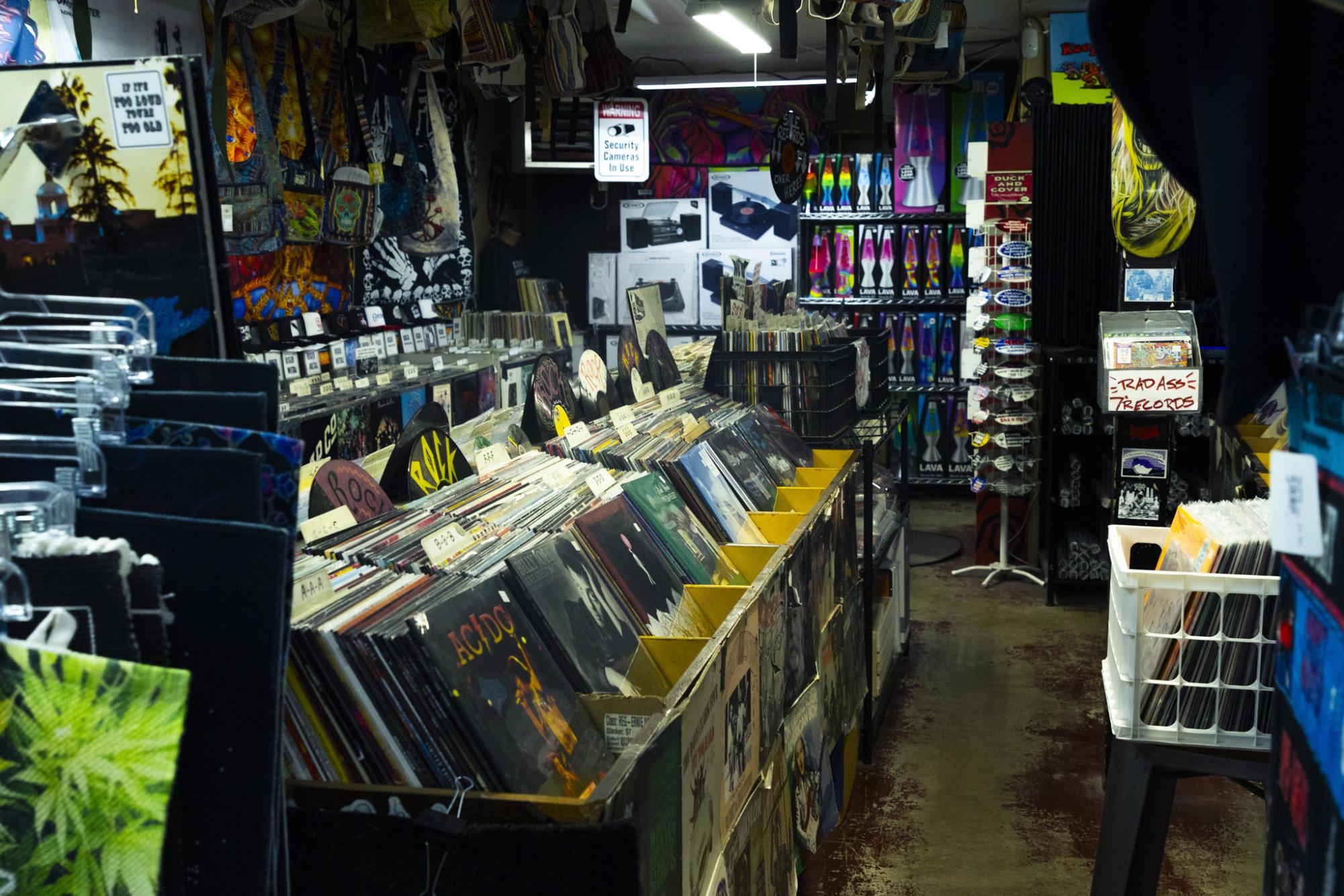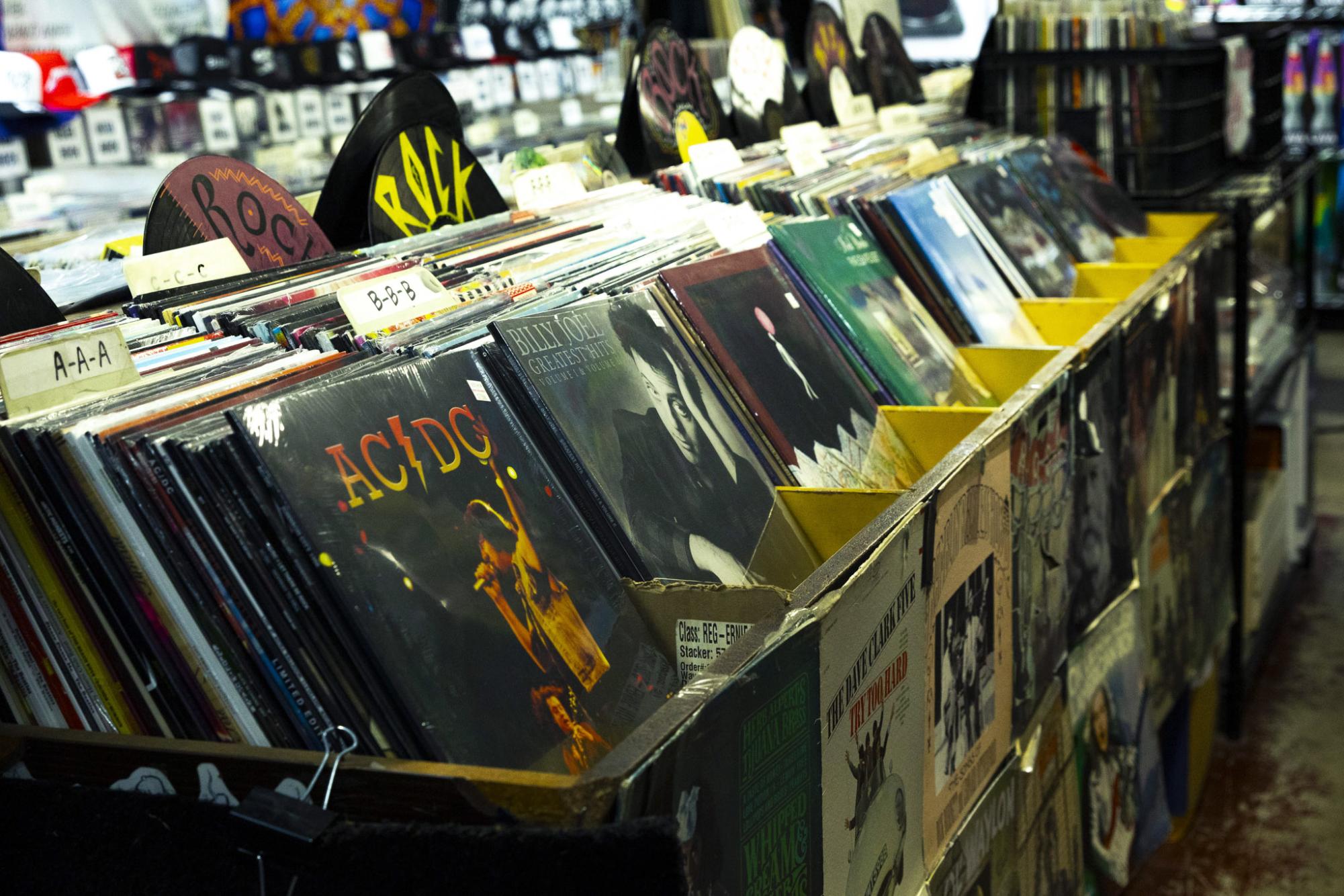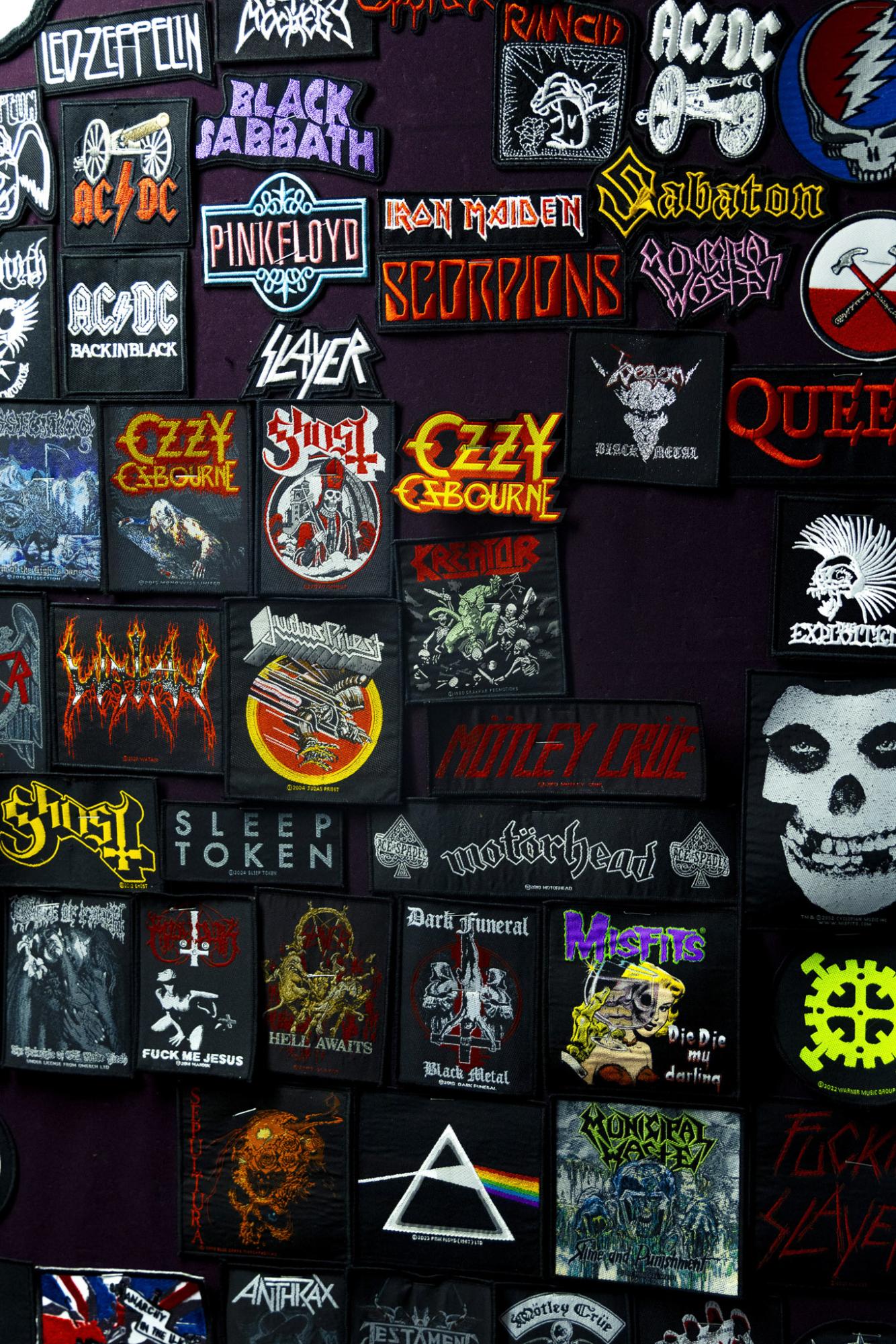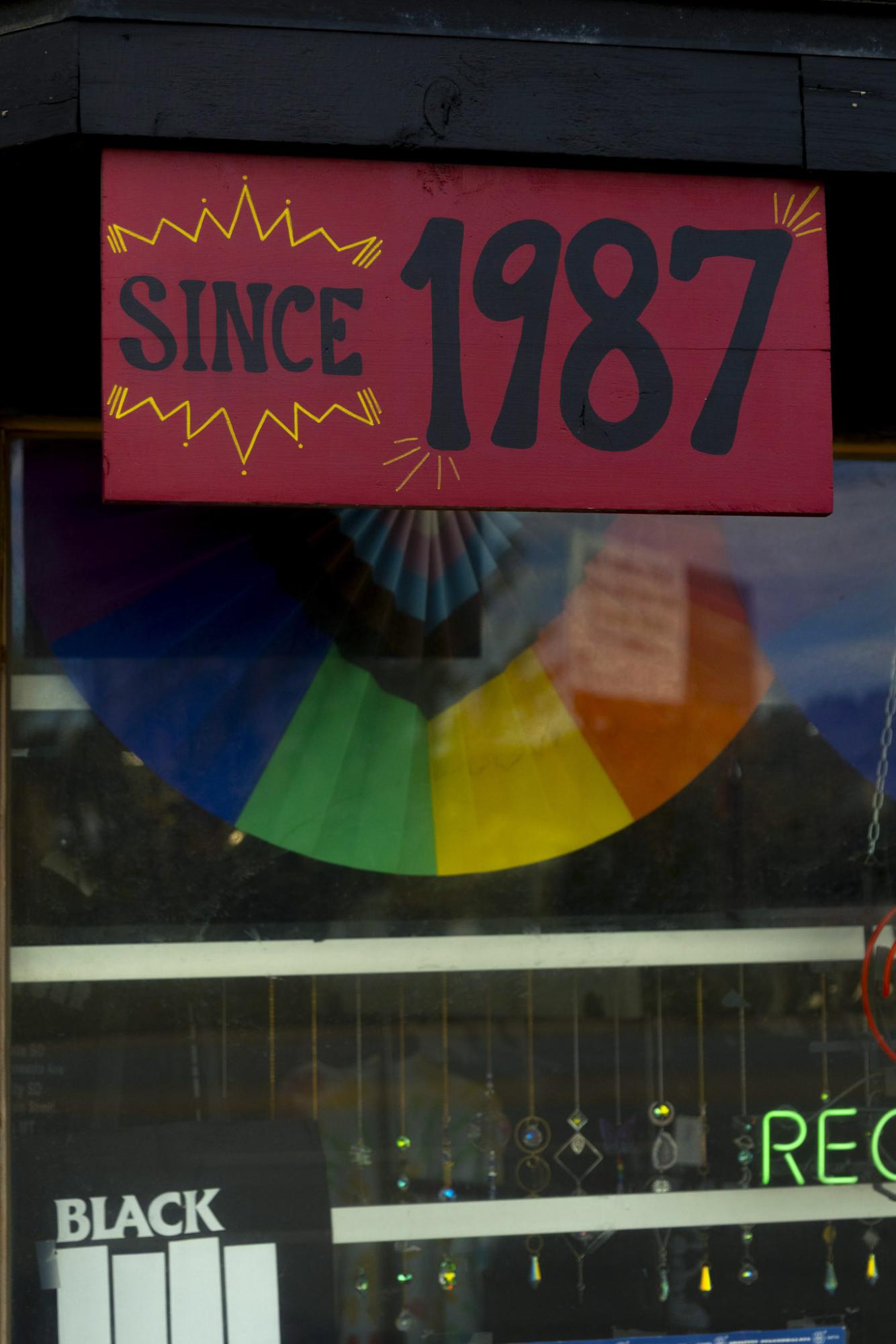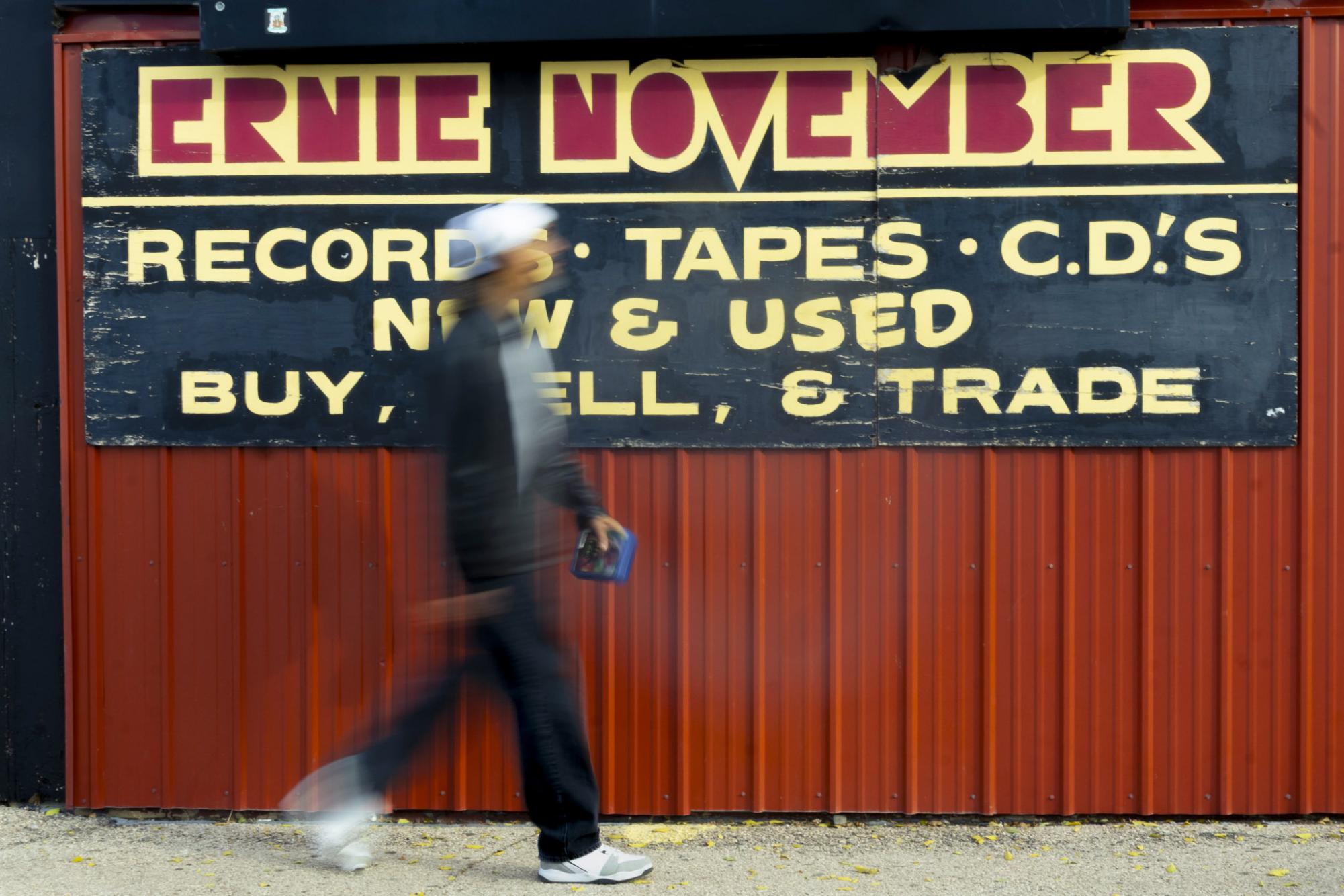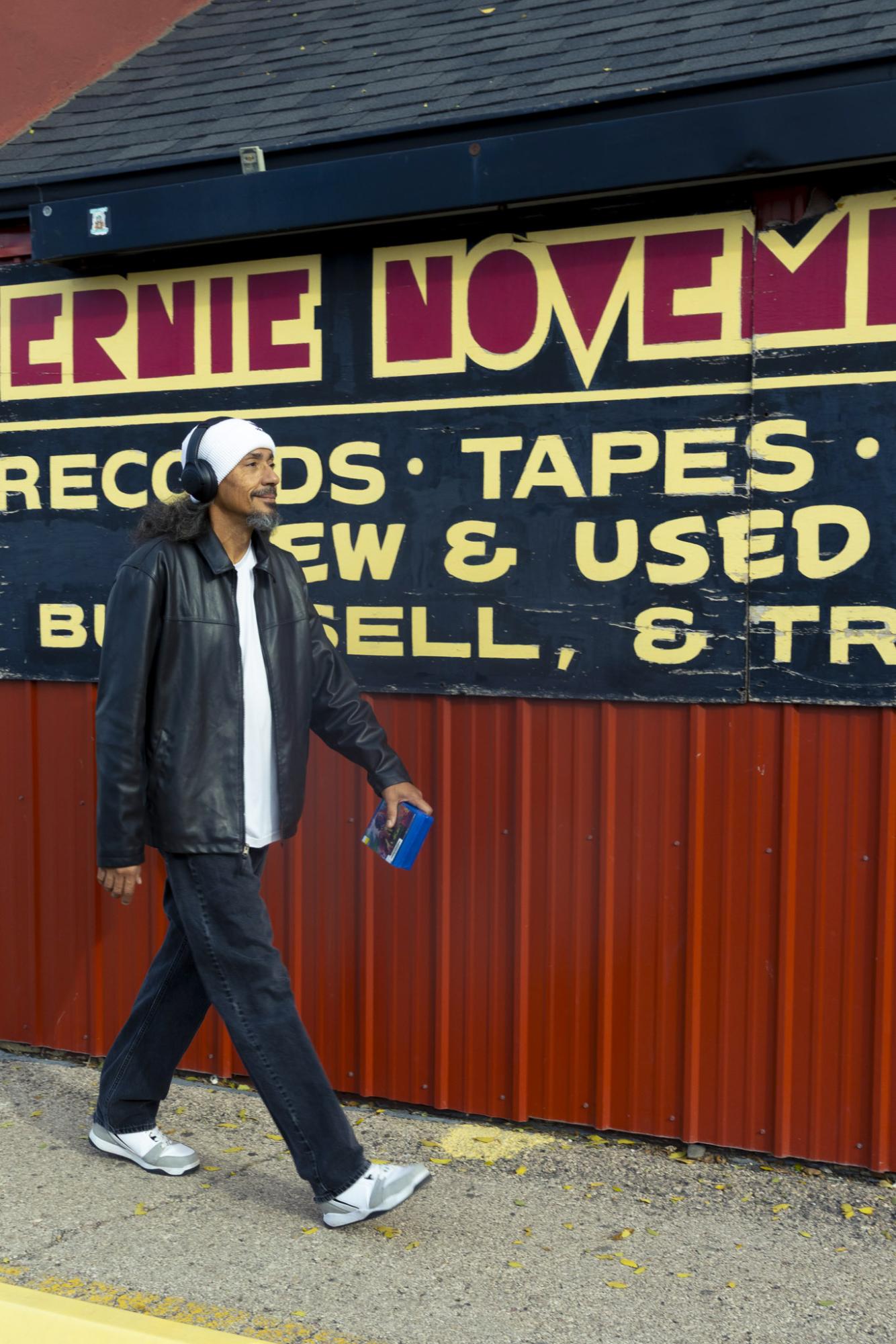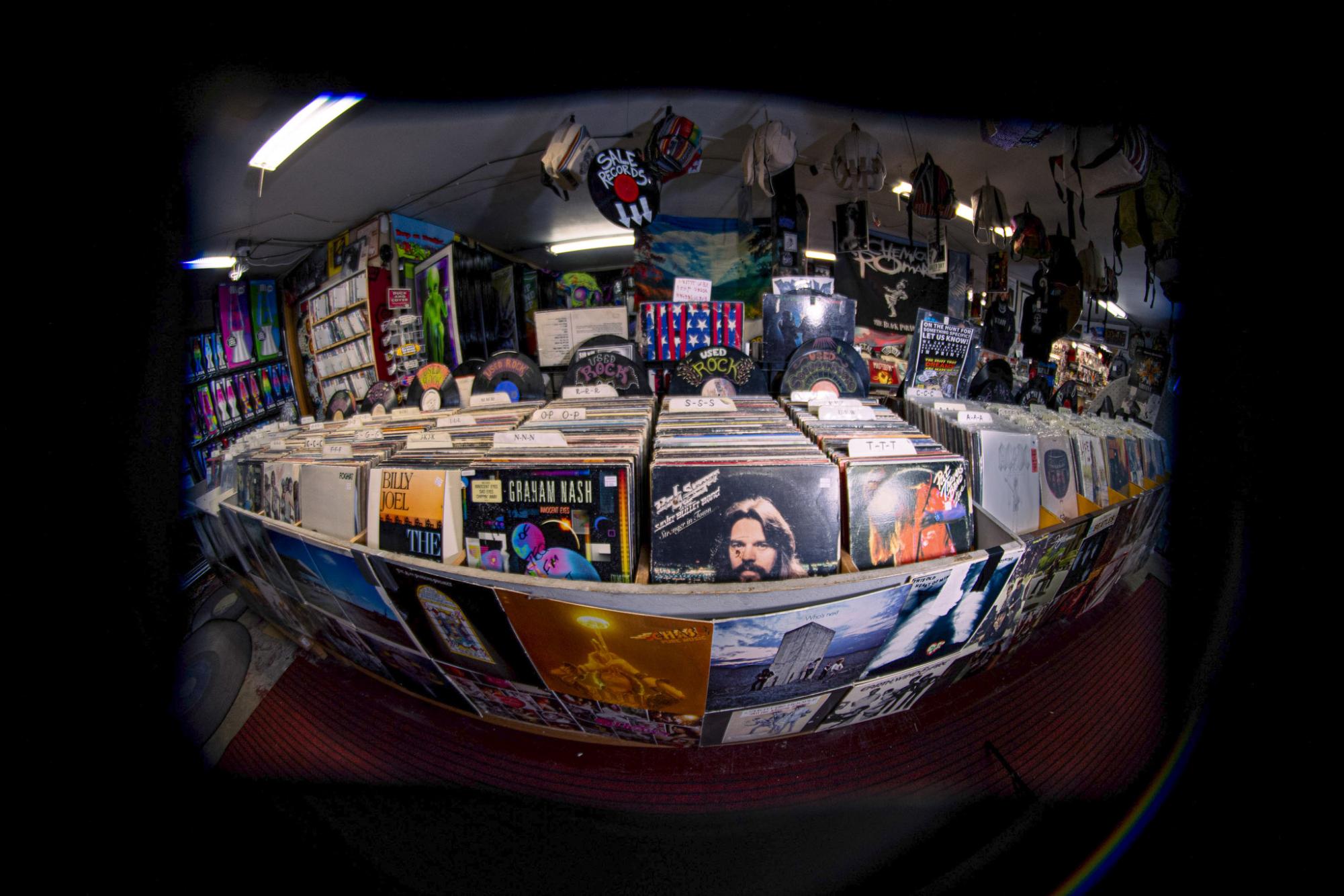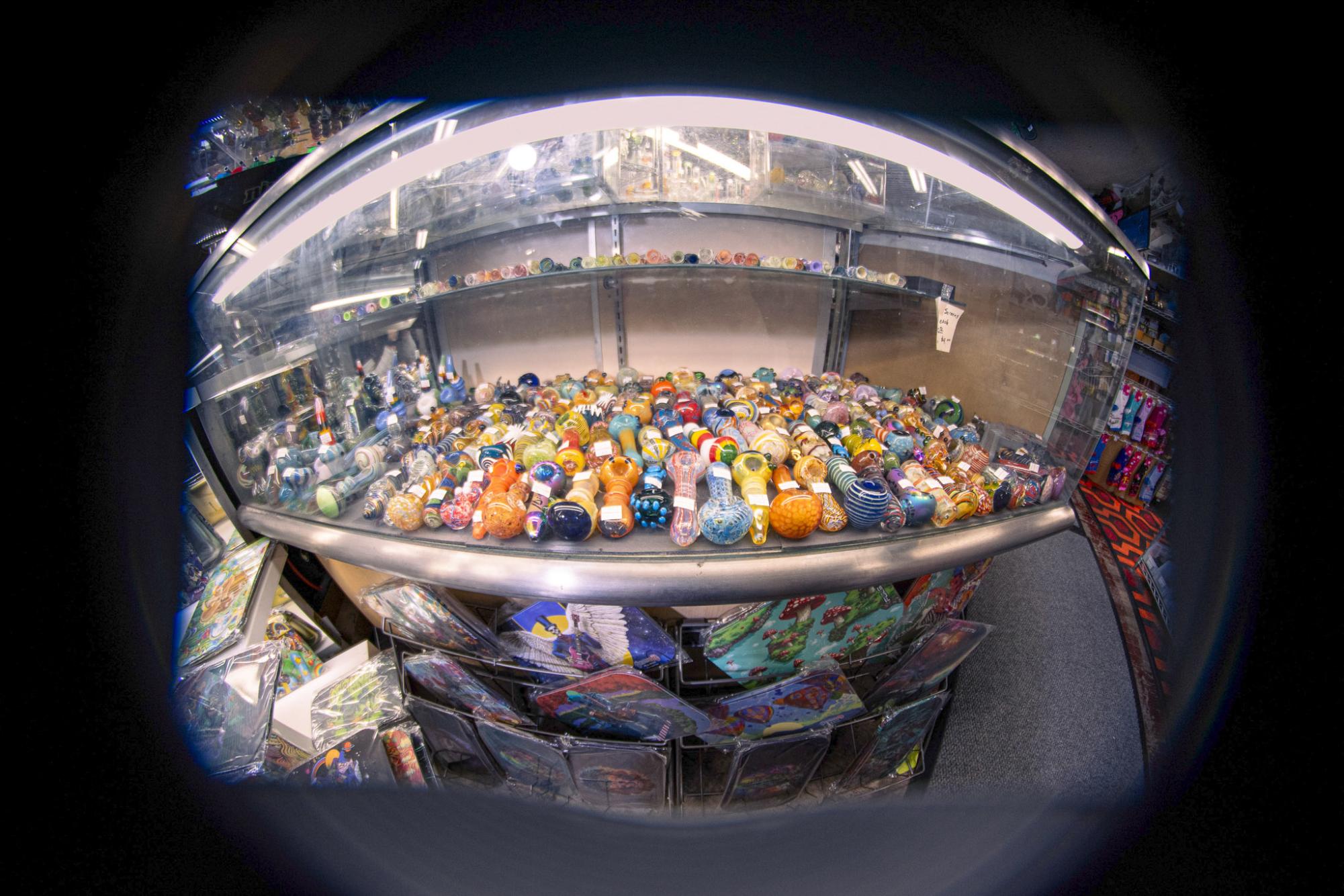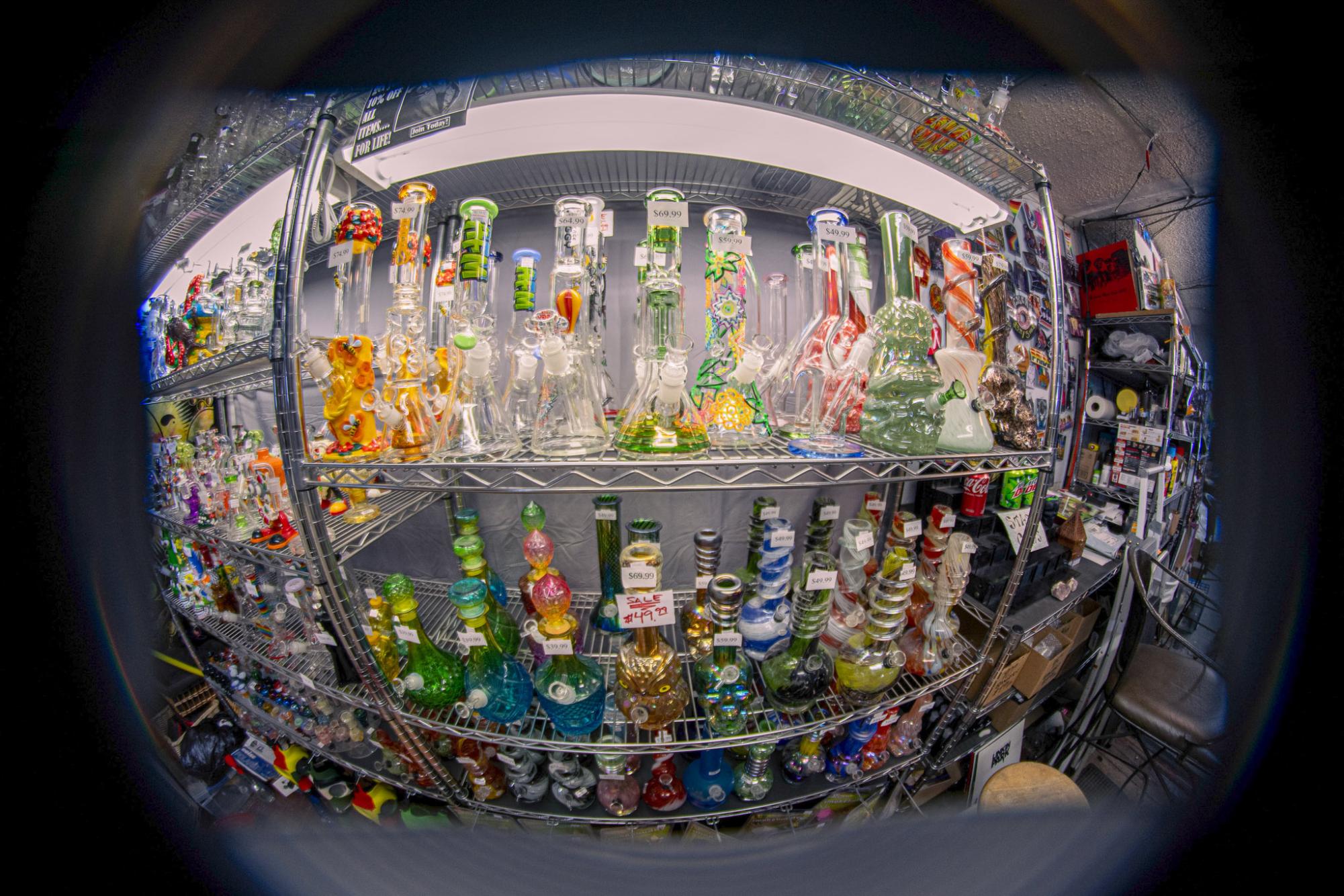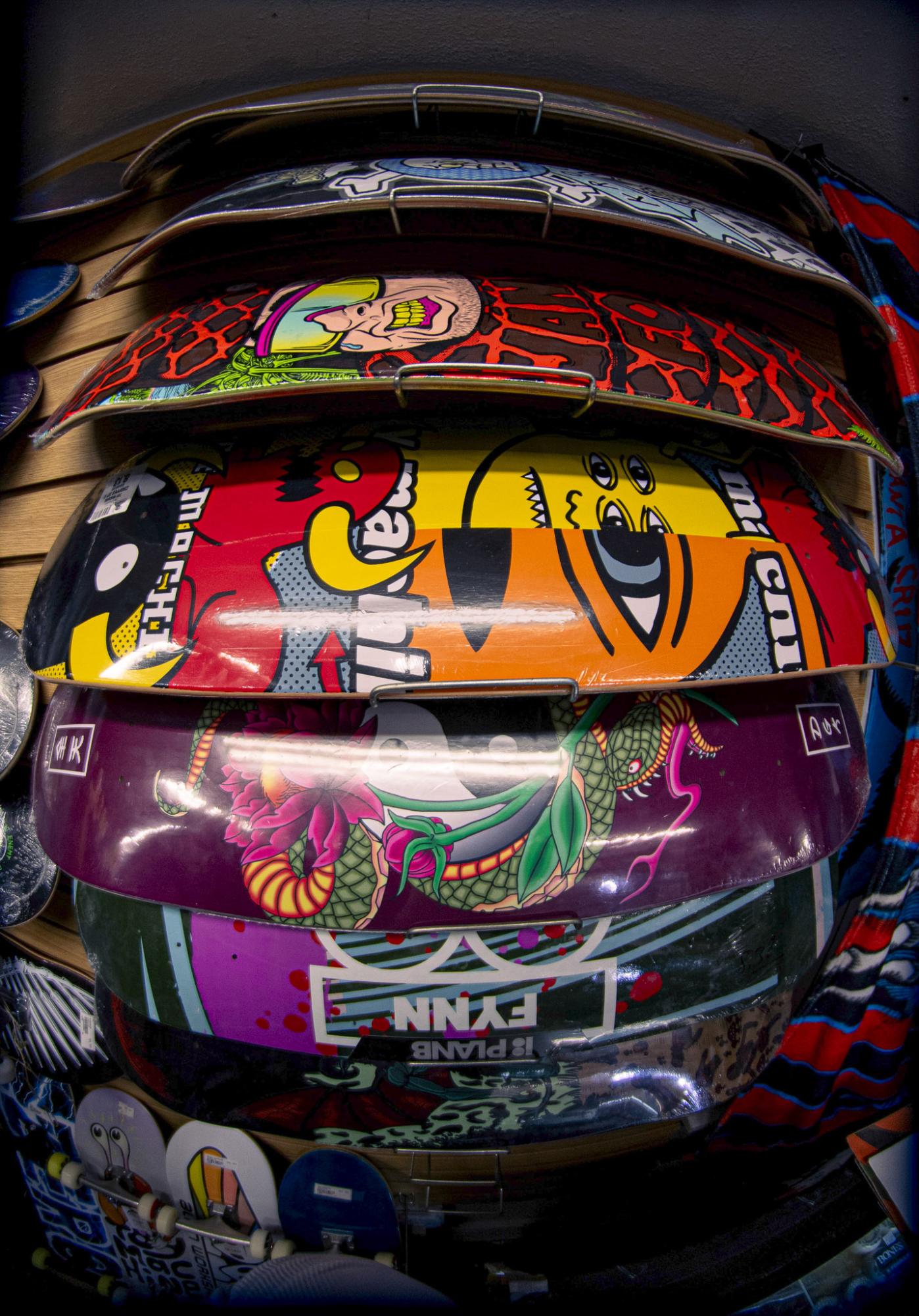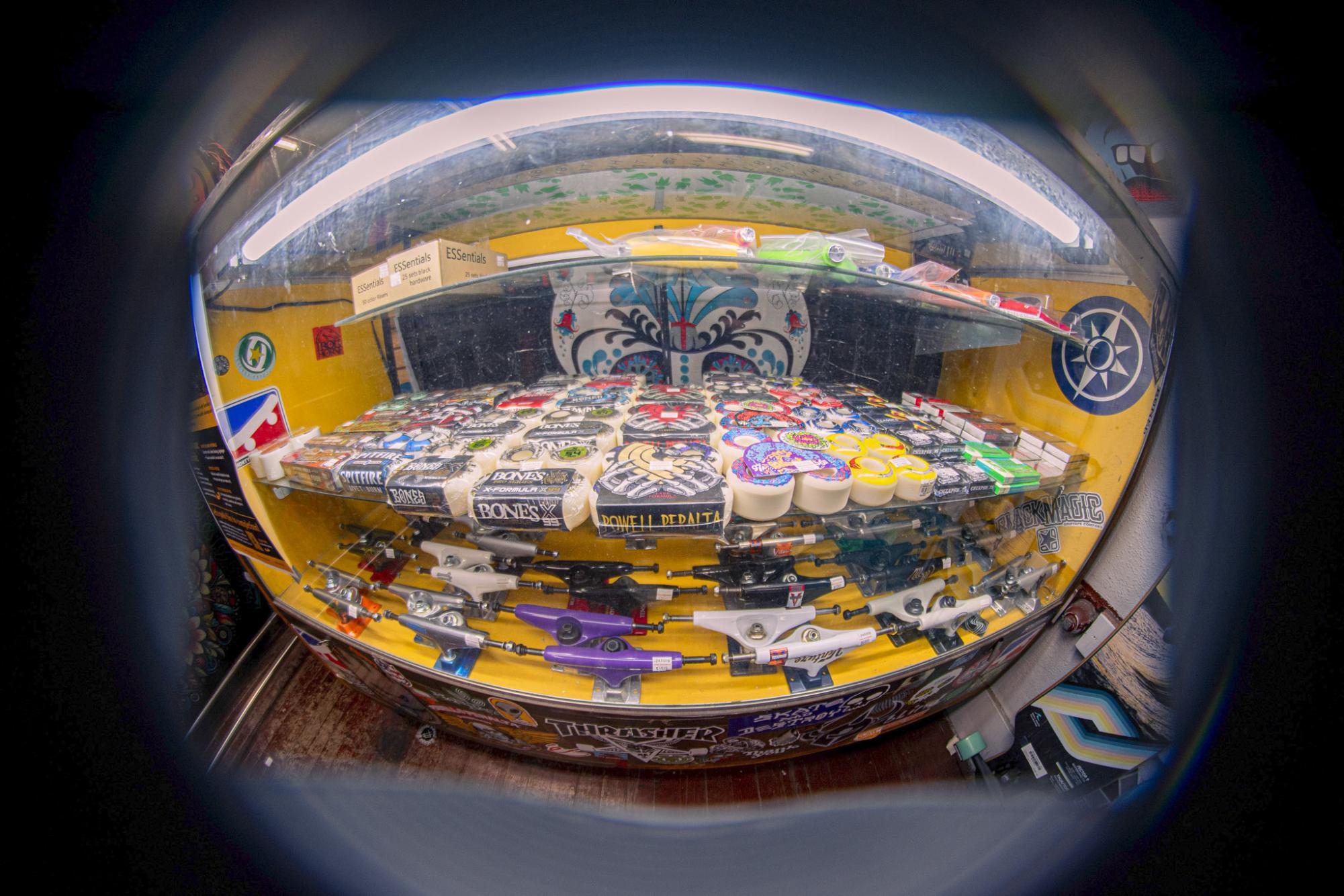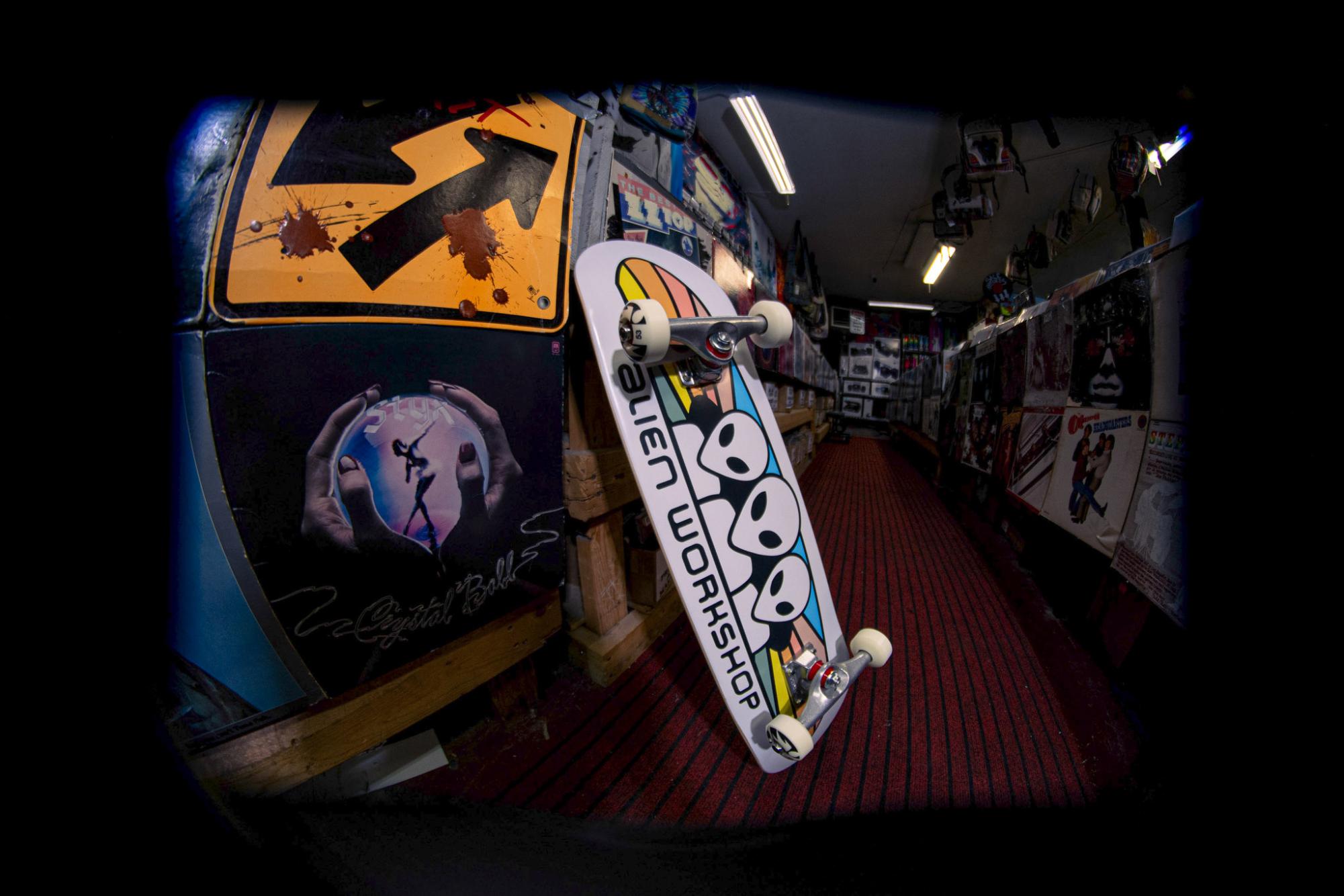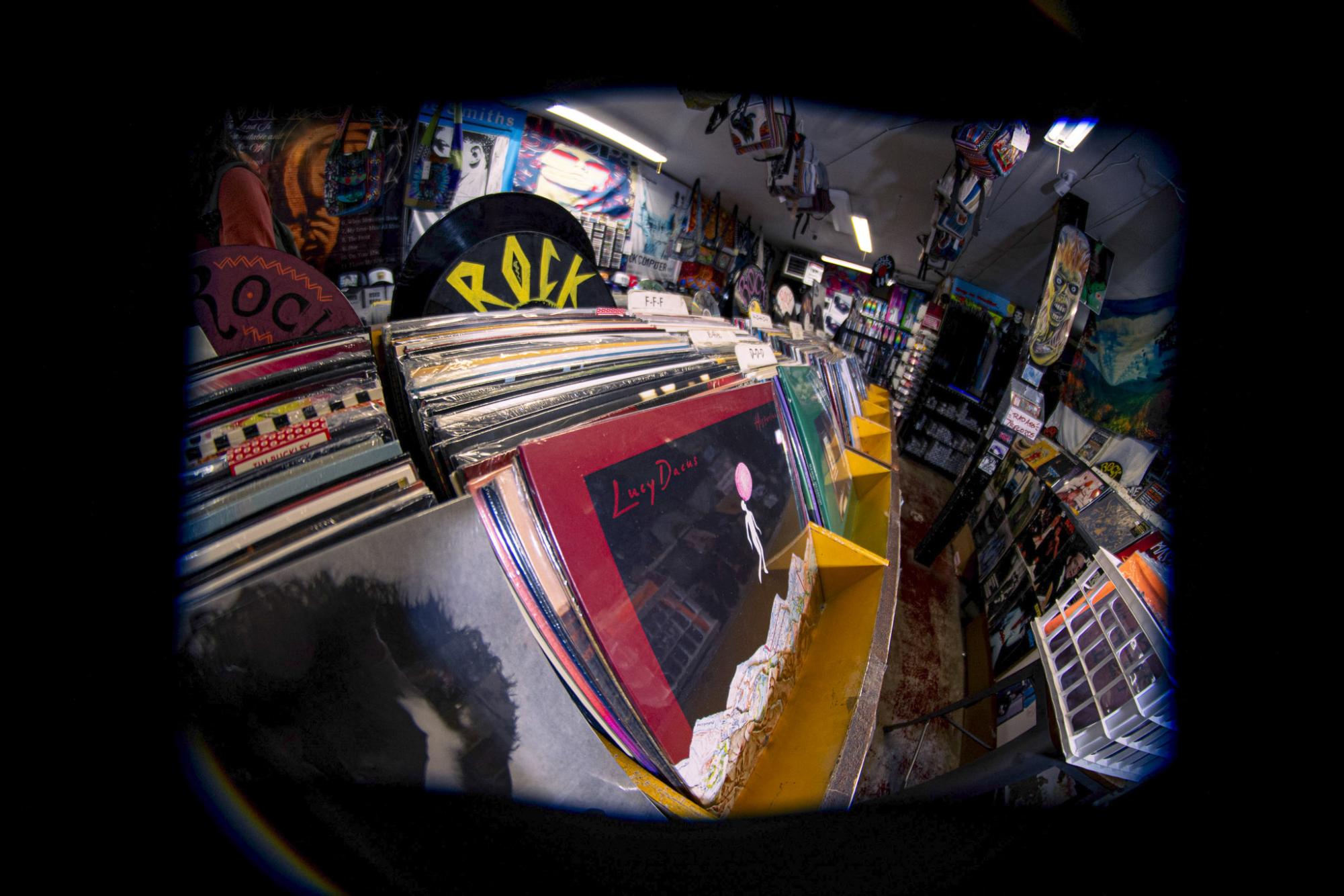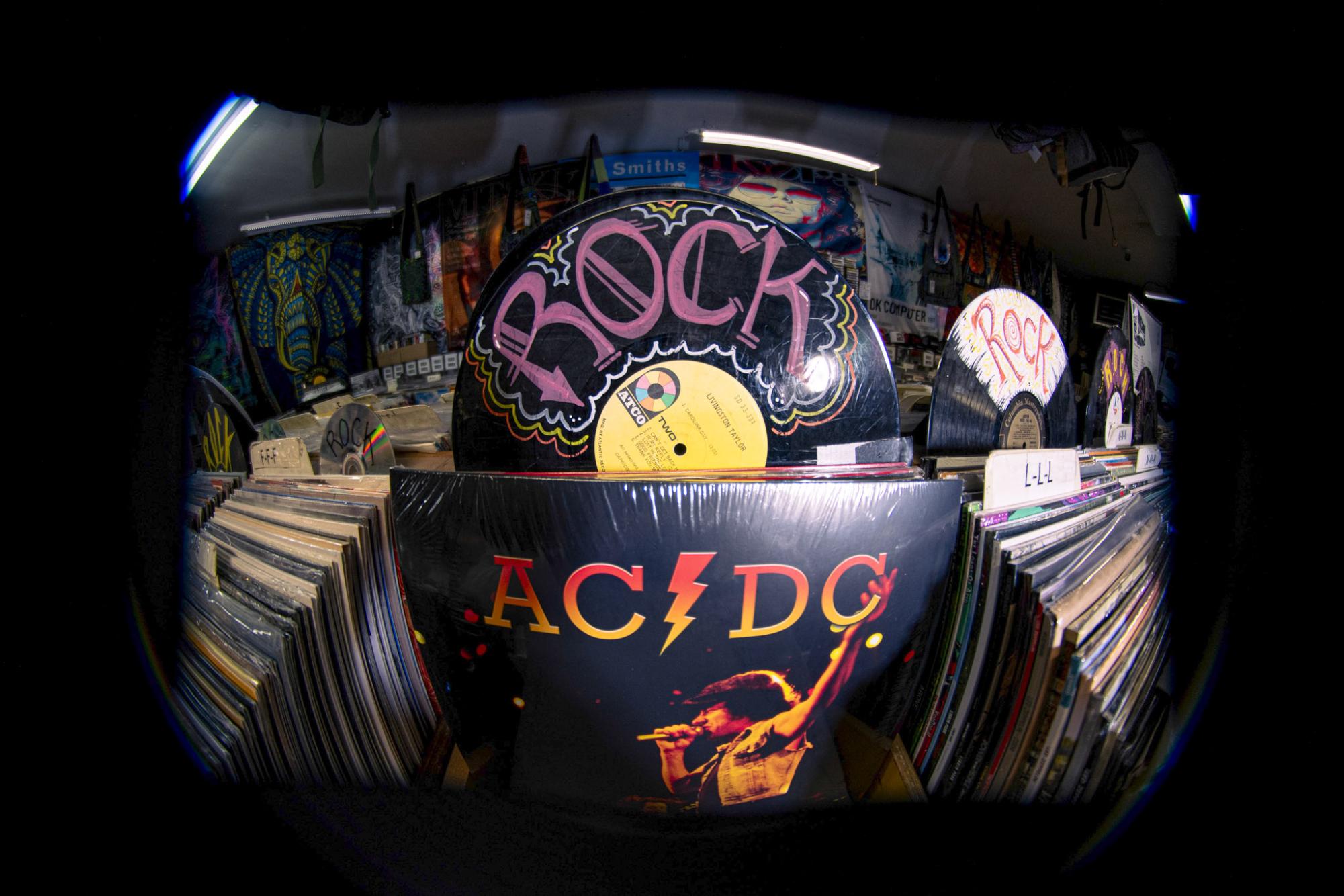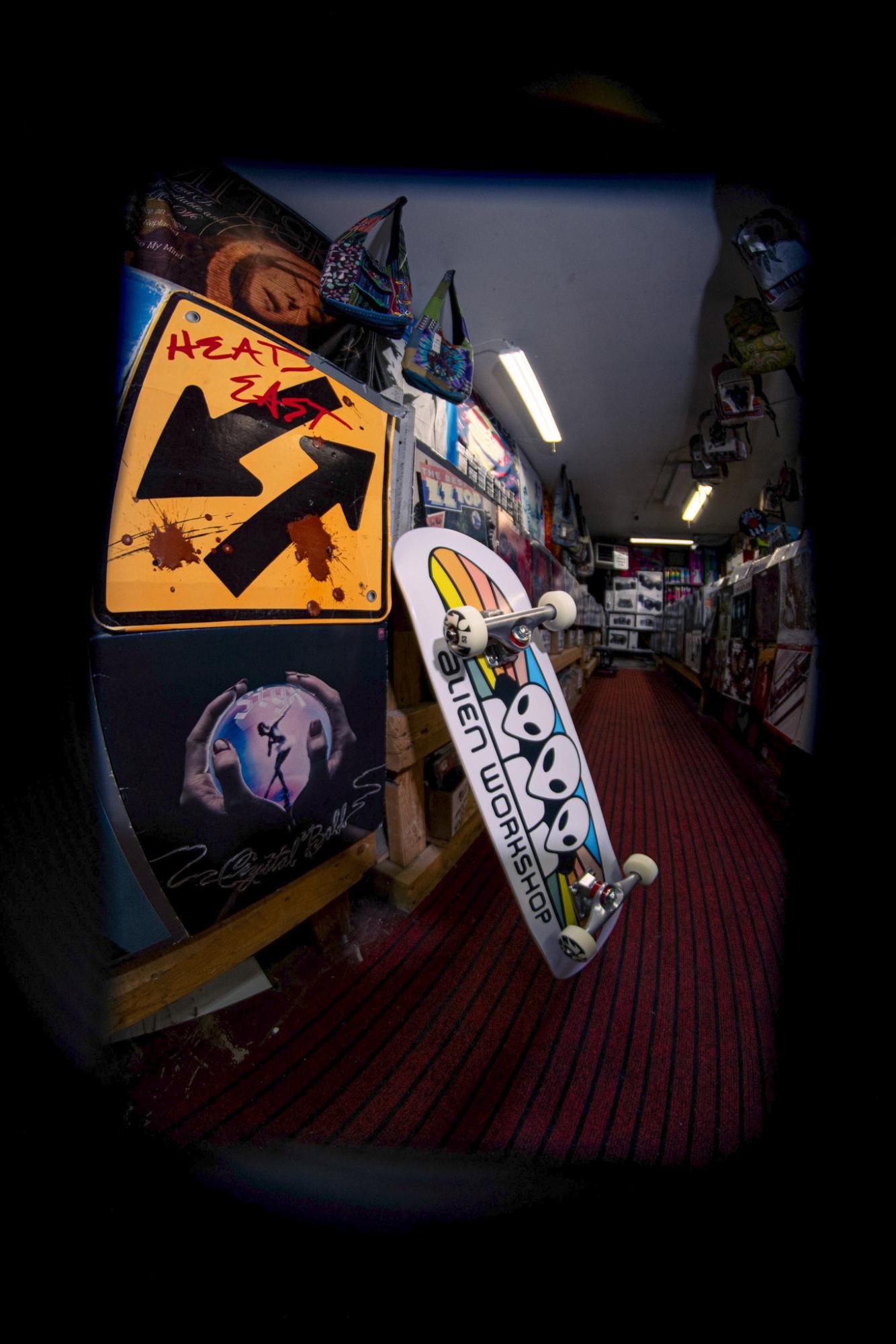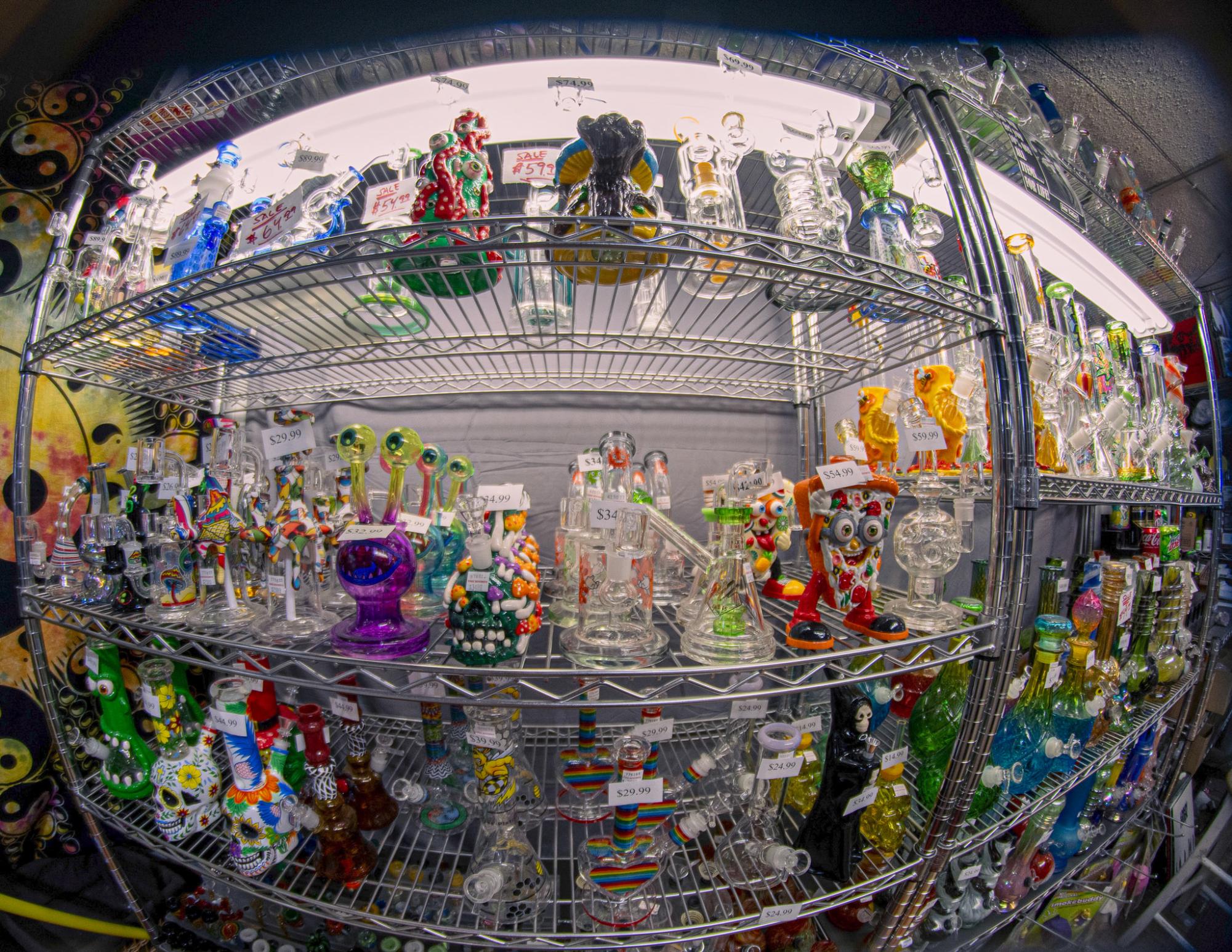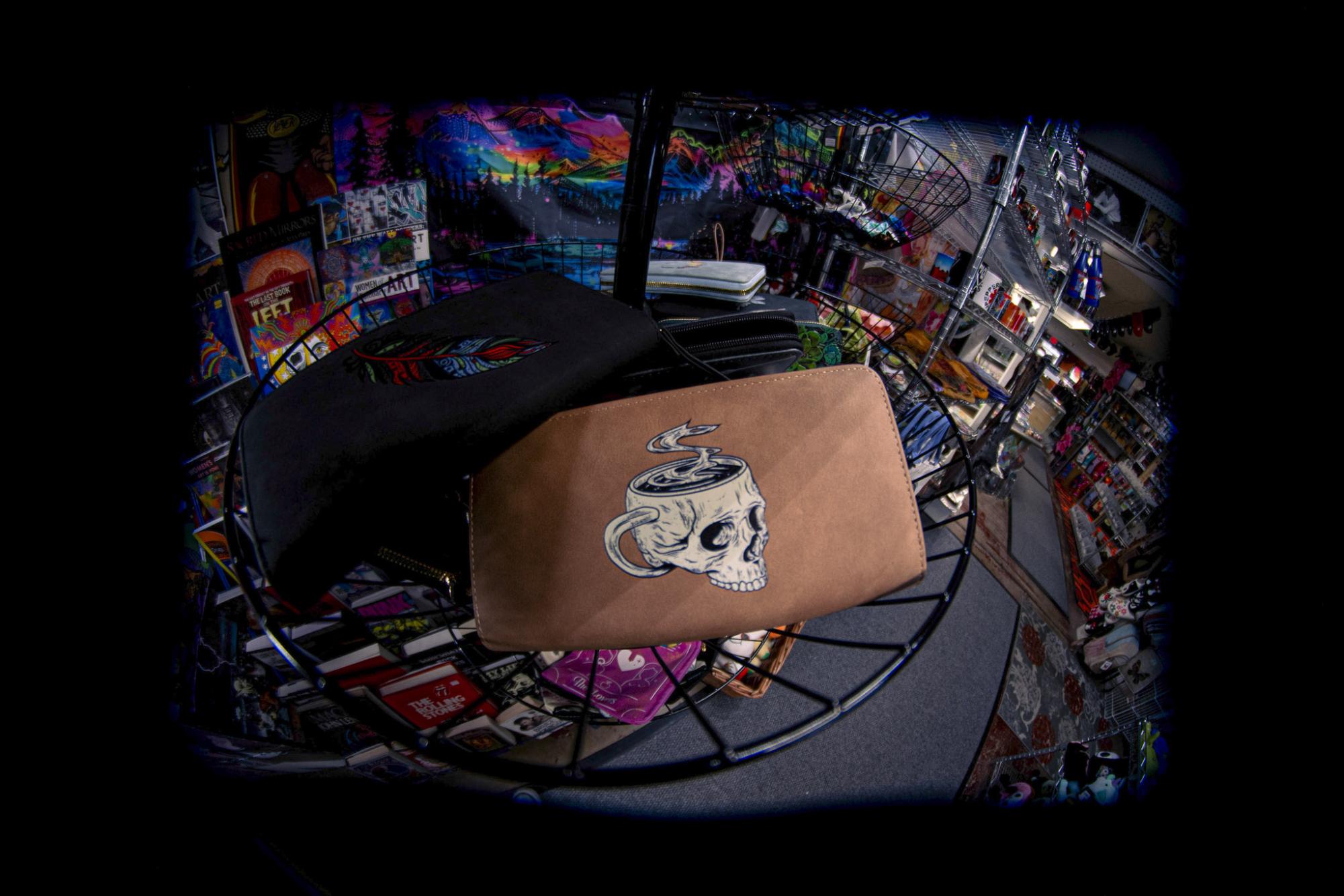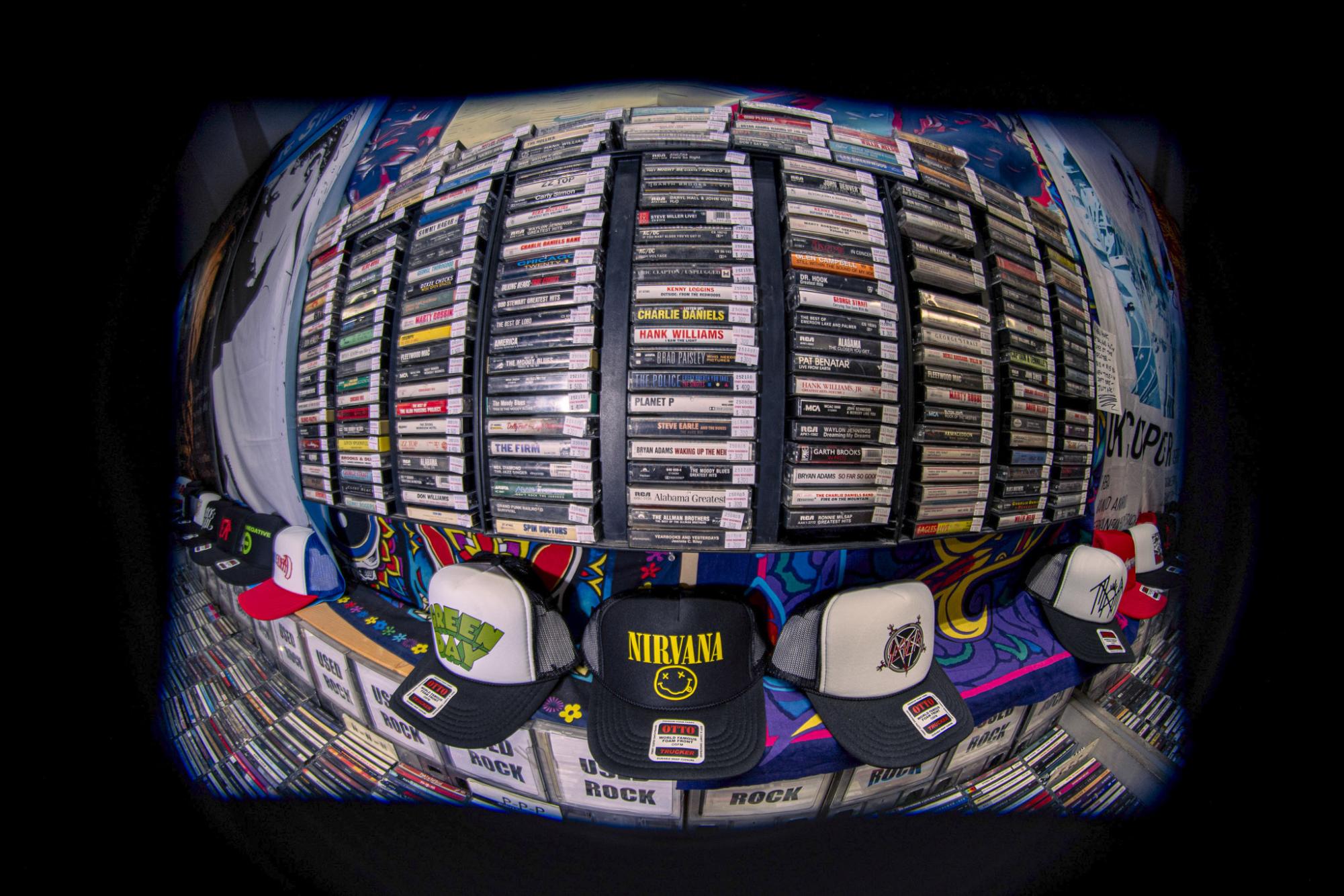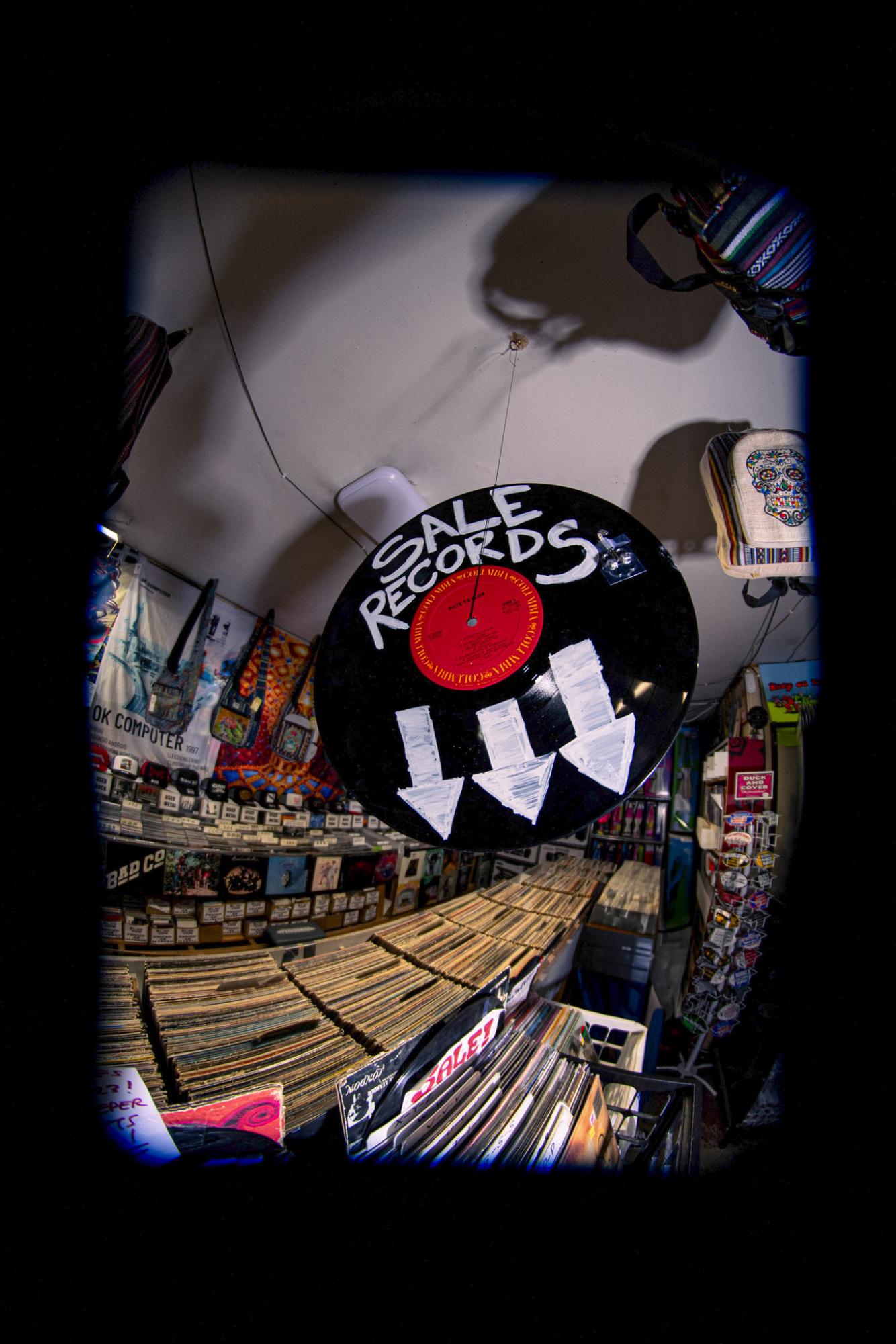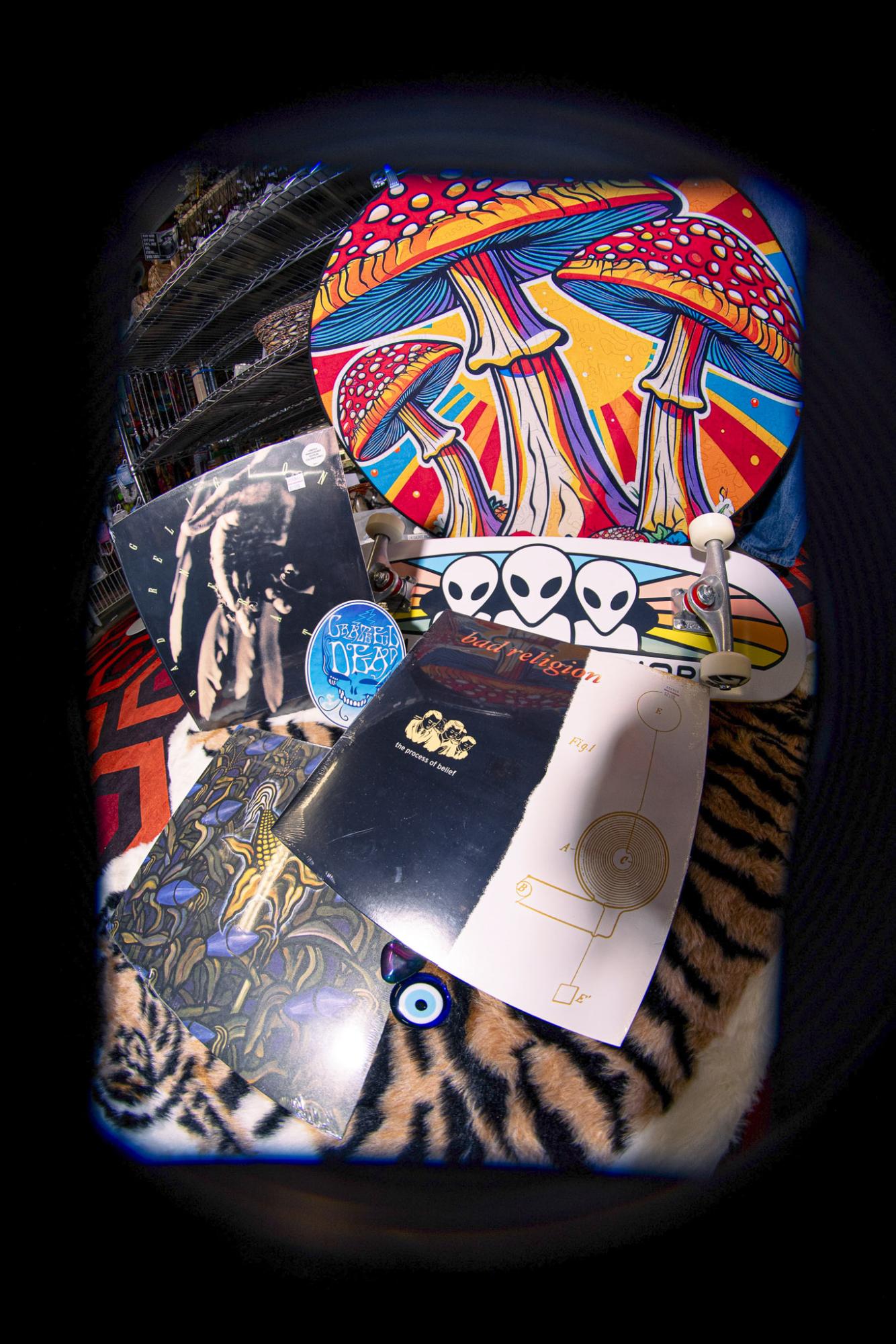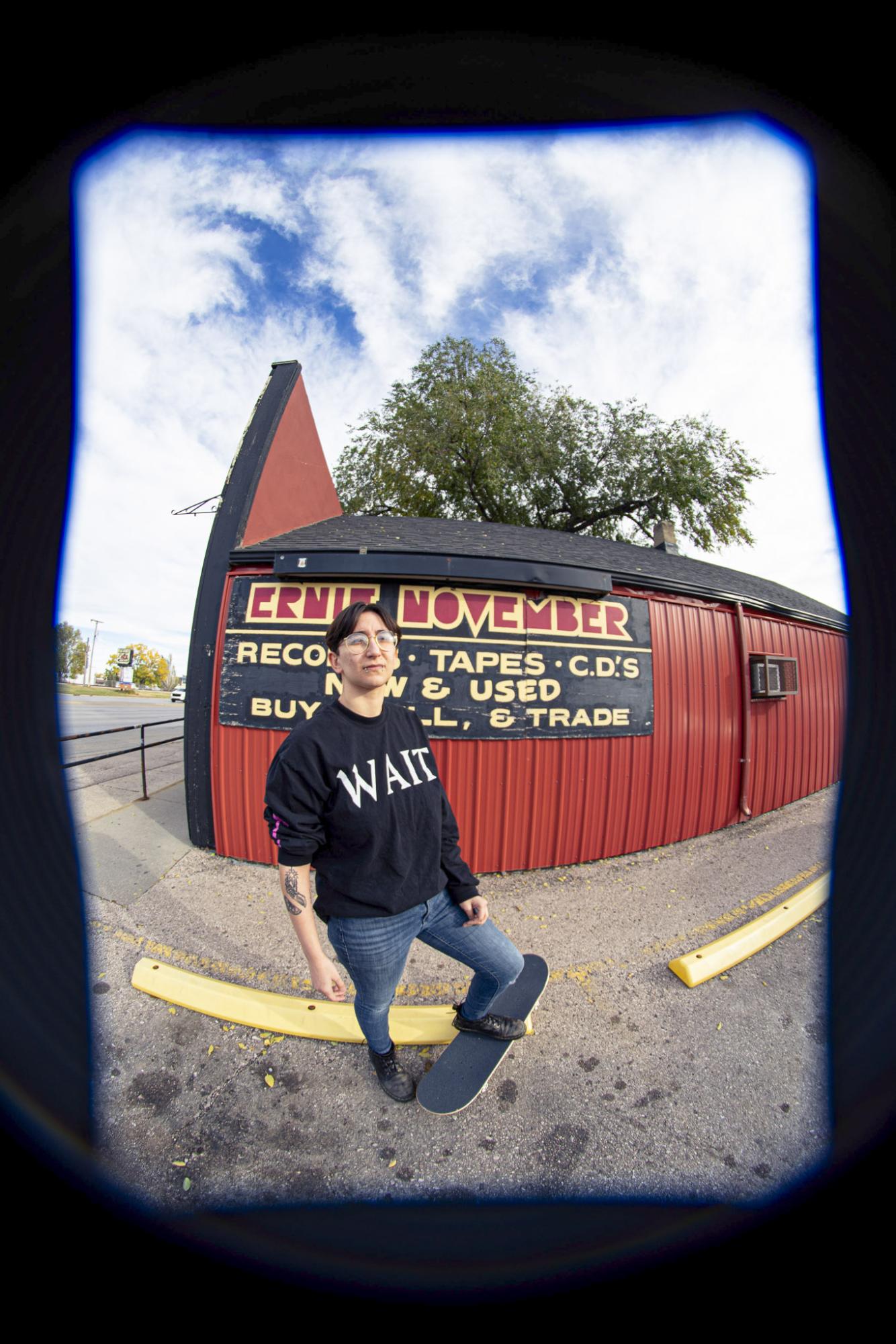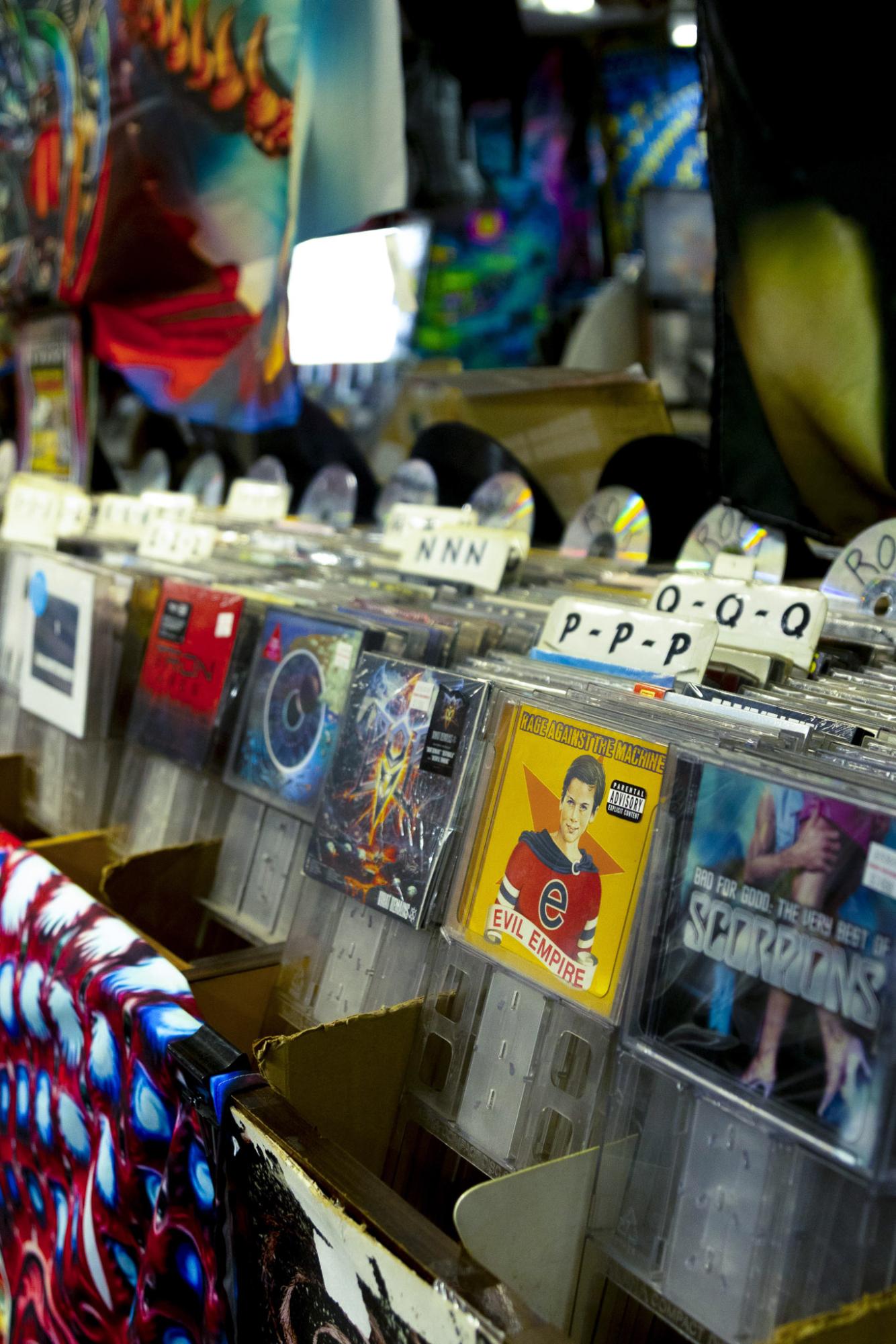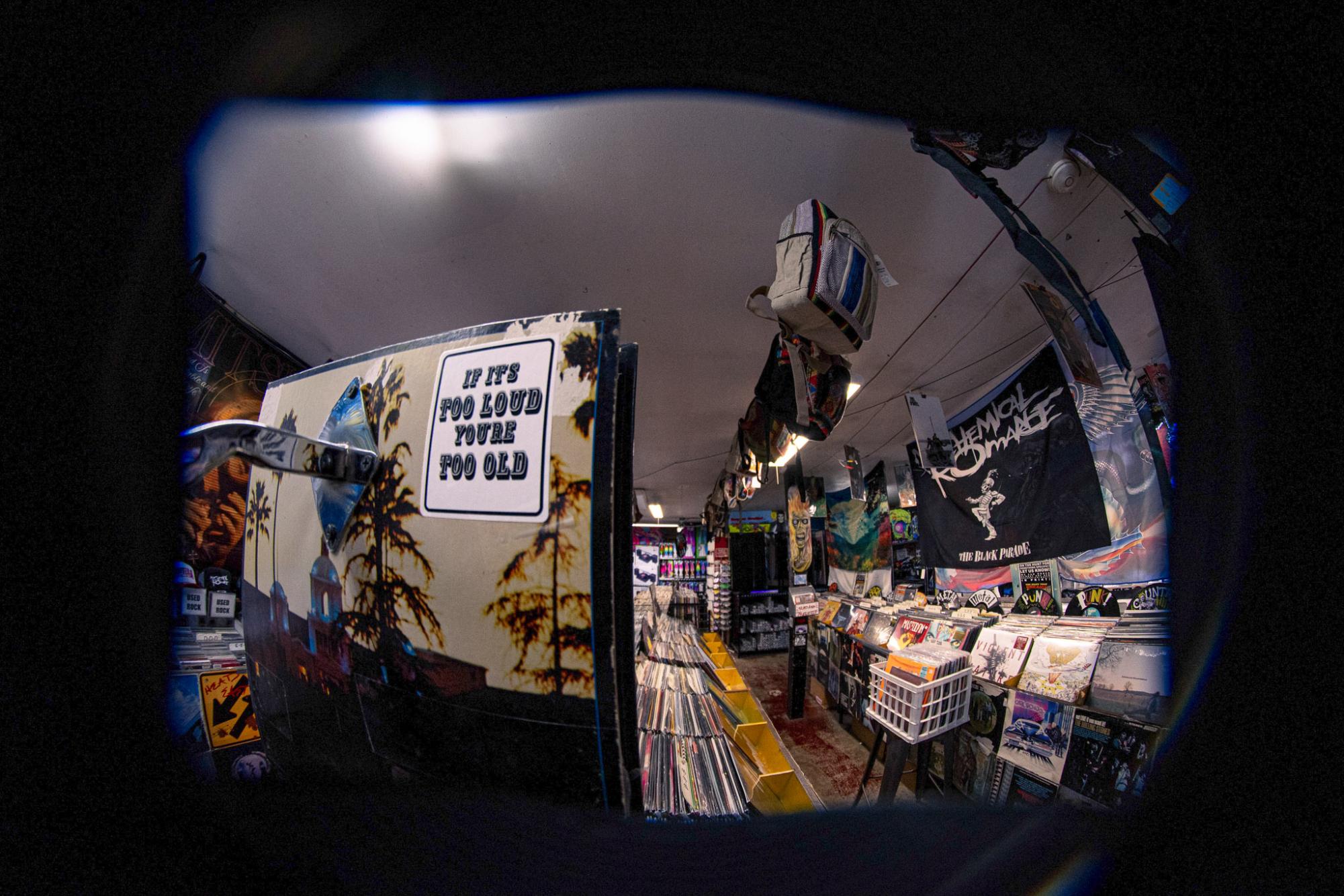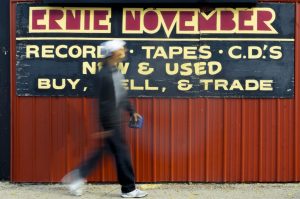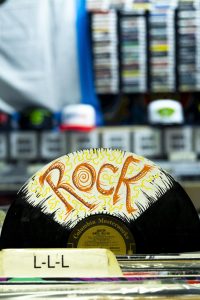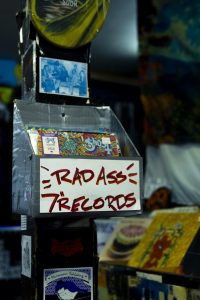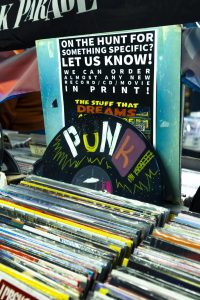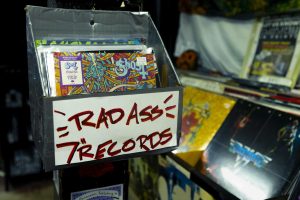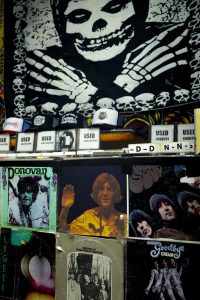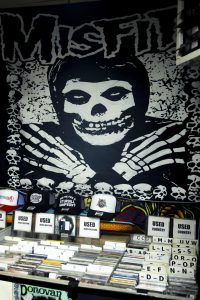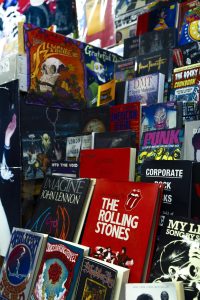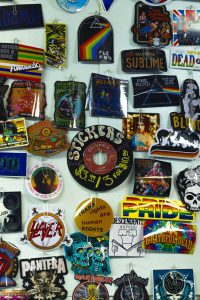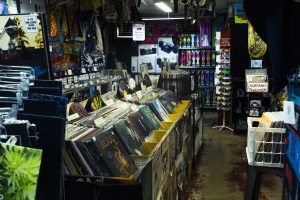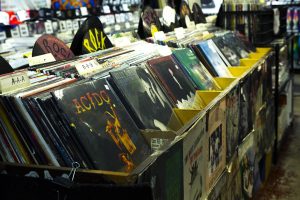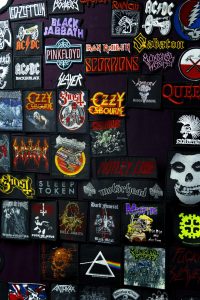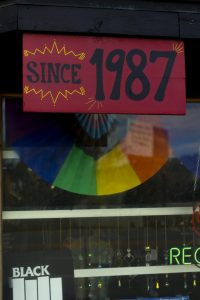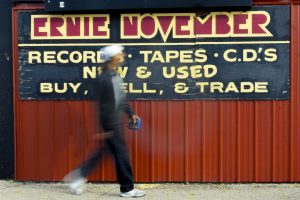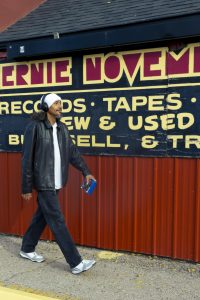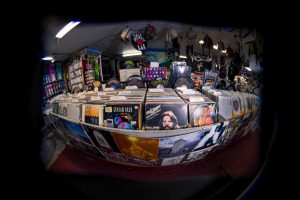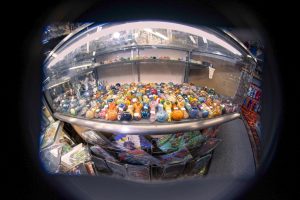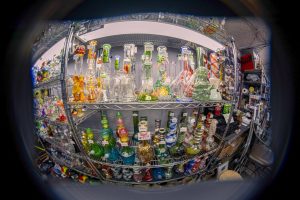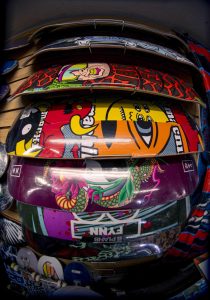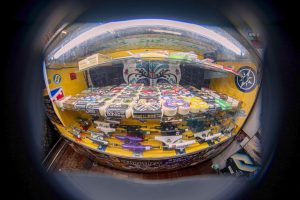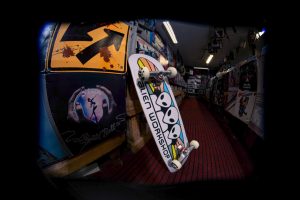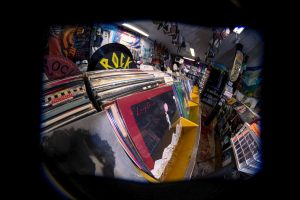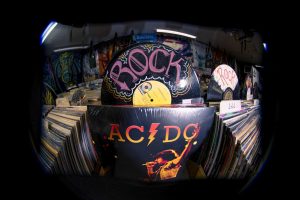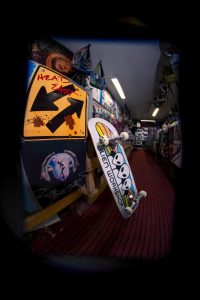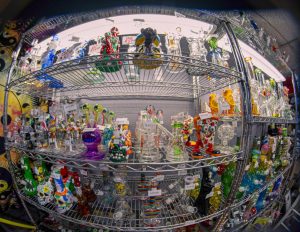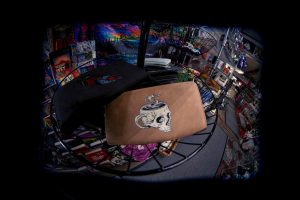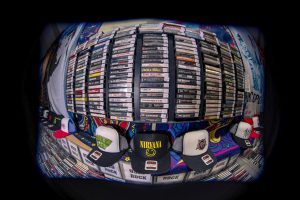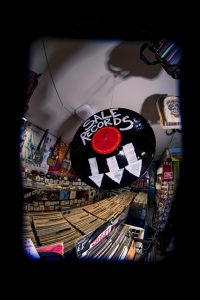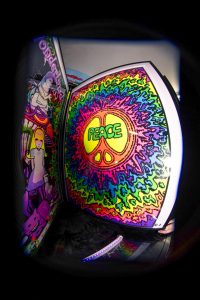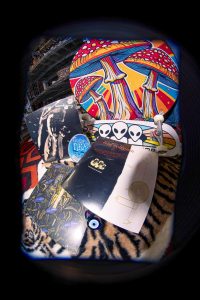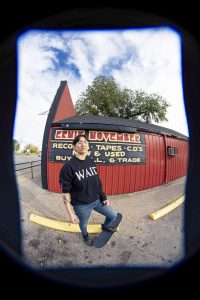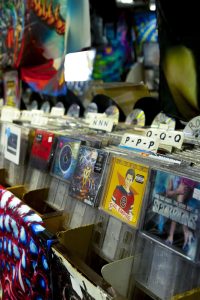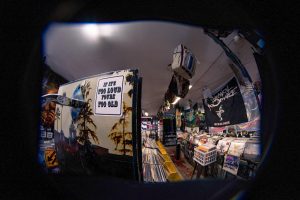
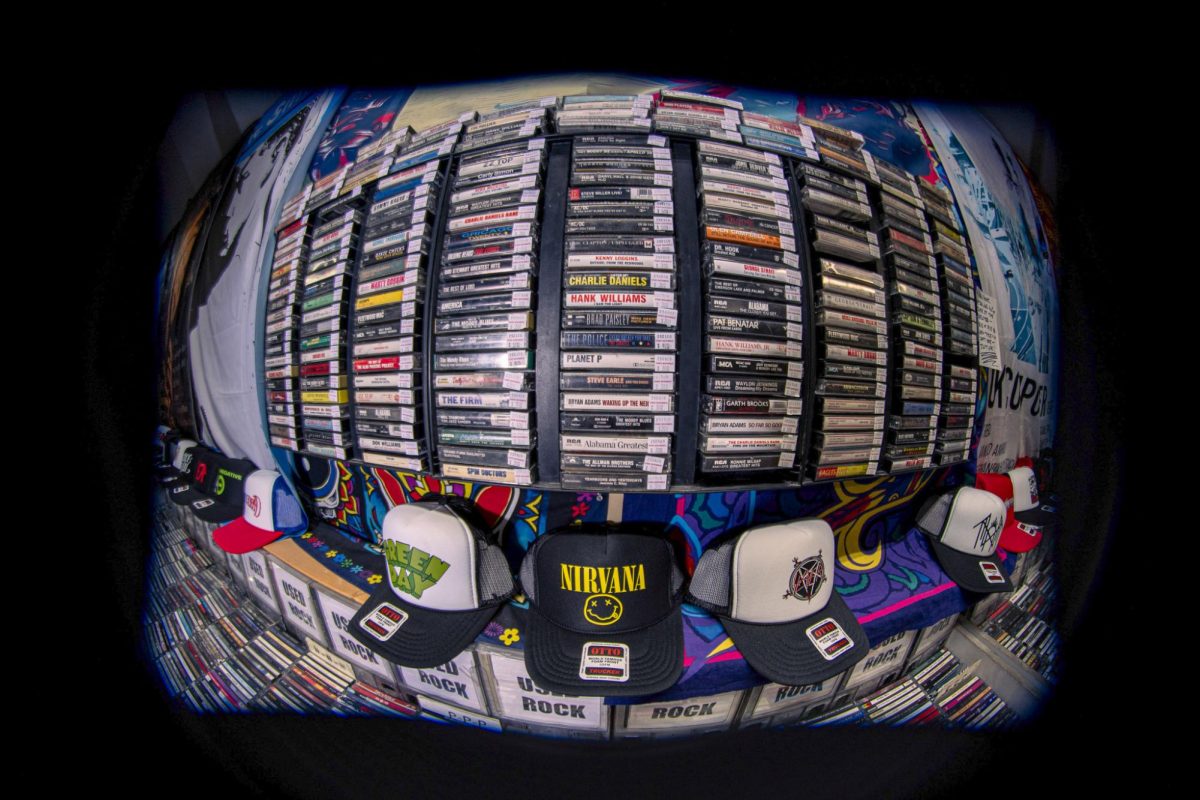
Nestled between strip mall churches and remote hiking trails lives a small, but mighty group of alternative thinkers. People who like music they can hold in their hand and stickers that stick it to the man. A place that facilitates such activities in several rural Midwestern cities is Ernie November – a music store, smoke shop, skate shop and lifestyle store with locations in South Dakota, Montana and Wyoming.

The store was started by two punk kids who always knew they wanted to open a record shop. But after filing bankruptcy on their first attempt, they decided they would need to expand to more than just music.
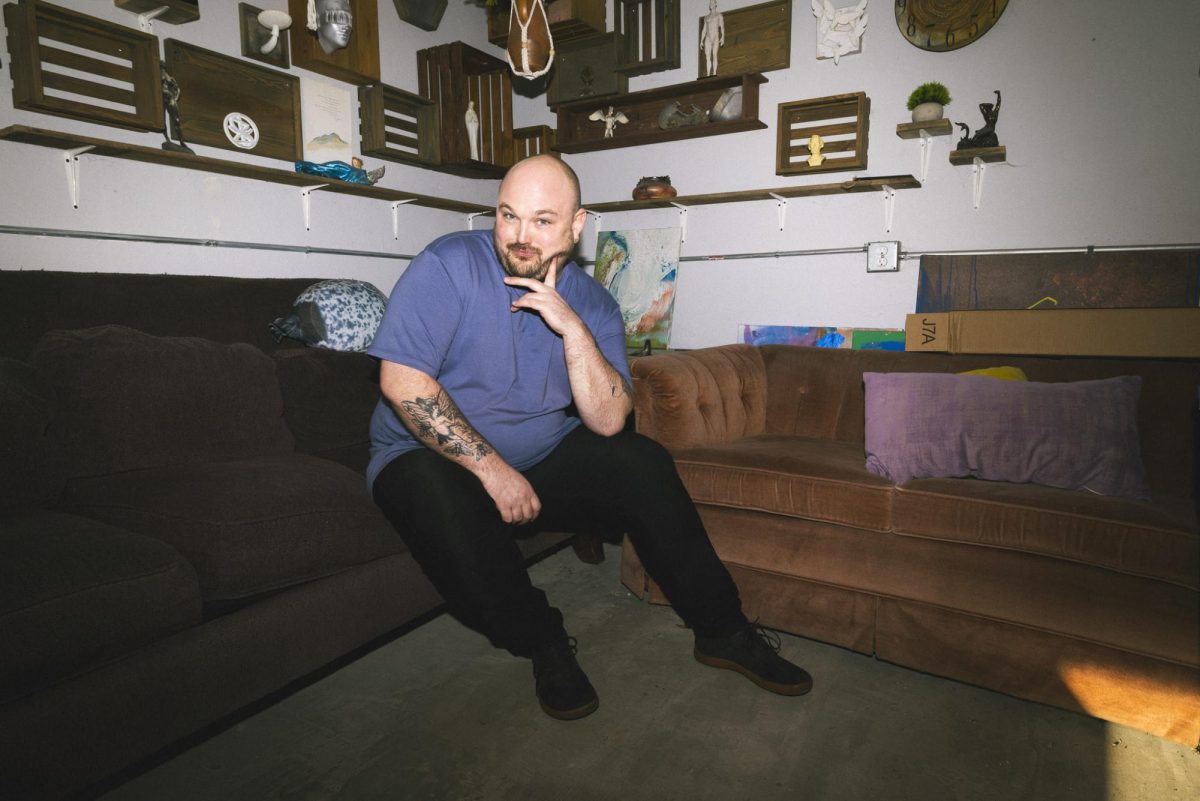
“We learned that in the eighties — that we weren’t gonna last,” said Keith Coombes, manager and co-owner of Ernie November. “You can’t have one lone, flagship product and expect it to work in a small town. I think in a mega city you can, you can have a free-standing record store in a major city and be okay, but it would still be hard.”
There simply wasn’t a large enough market to only sell records, so they decided to lean into the subculture and sell more niche products rather than lean into the mainstream culture and sell out of pop albums.
Ernie November fills a void in the subculture markets in small midwestern cities. It’s there for certain kinds of people. Not necessarily everyone, and that’s fine by them.
“We are never trying to appeal to the masses,” Coombes said. “We’re just doing our own thing. One of my favorite quotes is by Lemmy [the main singer of] Motorhead, his quote is ‘Run it up a flagpole and see who salutes it,’ and I would say that’s kind of how Ernie’s operates.”
This apathetic sentiment toward mainstream cultural opinions seems to be shared by members of alternative subcultures overall.
“If you don’t like us, leave. If you’re [at our show] you probably want to hear us play, but if you’re really that against us the door is right there,” said Albert Key, drummer and co-founder of VESONIUS, a metal band based in Spearfish, South Dakota.
There are slightly different economies and demographics in each of the four cities that house an Ernie November store, but all of them have a few major common denominators. They are all home to a vast majority population of deeply conservative and Christian people who may not necessarily appreciate the offerings of an Ernie November store. This struggle for peaceful existence is relatable to any subculture enthusiast who lives somewhere that doesn’t welcome them, or that doesn’t have a place for them at all.
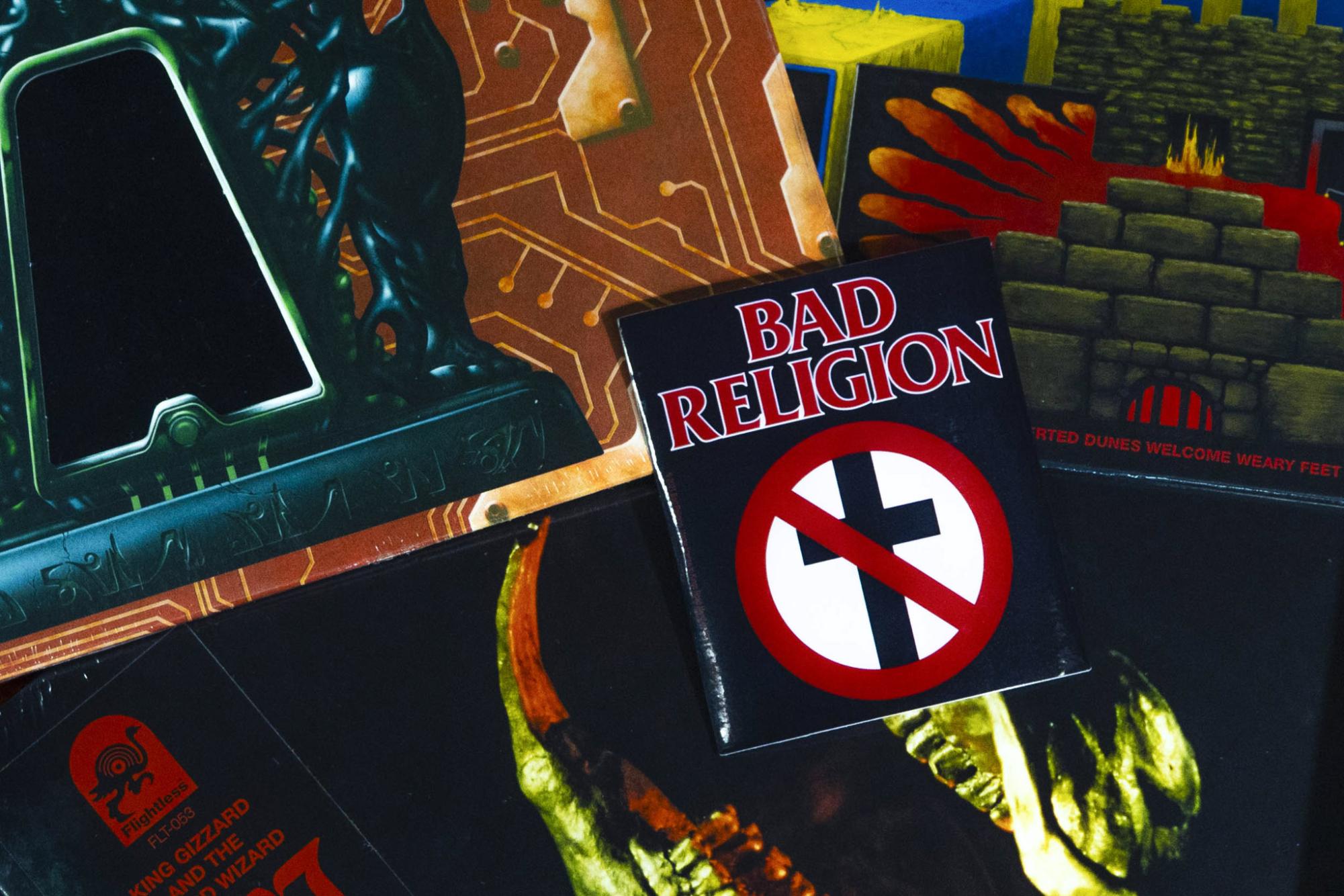
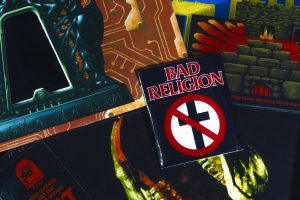
There is a certain language that people of the same subculture have with one another, a shared vernacular and history. So something as seemingly innocuous as liking a band called Bad Religion is innocent enough between two members of the in-group, but when someone displays their logo around people that don’t have the context of it being a band, they may give that person some trouble. Like, for example, when a concerned woman called the Ernie November store in Rapid City.
“We explained to her that [Bad Religion is] a punk rock band and we’re a music store and that was the end of it right? She hung up and then called the main owner in Sioux Falls,” Coombes said. “She was quite offended. My initial reaction is ,‘Don’t fucking shop here then’… [but] it’s good business to keep politics out of the store, keep religion out of the store to a certain degree, but we are who we are.”
Ernie November is for the people who feel othered and isolated, and, especially in these rural communities, Ernie’s offers a safe haven for them. Coombes and the people at the Ernie November stores know their audience and have been able to tailor their music choices and – to a smaller extent – their overall business, to target that audience.
In smaller communities, you can trust that the weirdos and the freaks are going to flock together, and Ernie November is one of the only spots in these towns that leans into that clientele. Mostly because they are the clientele. The stuff they keep in the store is the stuff that sells, but also the stuff they like to listen to on their own.
Ernie November store runners understand that they are not here for the majority of people. But the people that will seek it out, or even just seek out one item that is sold at Ernie’s, will find gold there – albeit gold clad in black metal music.
“It’s actually treating people like human beings when they come to the door… having something fun you’re not gonna see anywhere else,” Coombes said.
Punk and metal music aren’t exactly the most approachable of genres. If you’re from smalltown U.S.A., born and bred in a culture that favors country and Christian music far more than rock music, most won’t be familiar with subgenres of rock like punk and metal. But the people who want to find it will find it. And when they do, the community is likely waiting for them with open arms.
“The first time we played anything by Gojira or something like that…everybody was like, ‘Wait, what exactly are you playing?’” Key said. “We’ve never truly, really gotten pushback because everybody loves what we’re doing because there’s so much country in the [local music] scene that everybody loves that we’re starting a new metal scene almost.”
It’s in the very nature of subcultures to be different from the dominant popular culture. Members feel the need to break away from the mainstream. They don’t feel like there’s a place for them in the music, hobbies, entertainment and attitudes of most people around them. However, it has become increasingly easy to access those things, if only in superficial ways.
As time has gone on, technology has developed exponentially and – it would seem that – everyone is more interconnected than ever before. However, modern research suggests people are getting lonelier and lonelier despite the fact that they can connect with nearly anyone in the world at a moment’s notice. This phenomenon has affected subcultures like punk, metal, witchcraft and skateboarding severely. Especially in the ways that they seek out and communicate with one another in rural communities.
Pre-internet, members would only see like-minded people at punk shows or at the skatepark and would only really talk to them there. They exist separately from everyday life. Now, they can be in line at Target, surrounded by the dreaded normies, but they’re also on a Reddit thread with an extremely niche group of individuals. This technological innovation has positive and negative consequences. It’s detrimental to subcultures because it makes it easier to hide behind a screen and look for people who share similar sentiments from the comfort of one’s own poster-clad room.
Going out to any local venues – probably divey, if in the Midwest – to find people around that have similar interests can be intimidating and there may be barriers to entry that aren’t present online. However, the price will be paid in authenticity and a tangible experience. The vibes, energy and ambiance a subculture provides cannot be replicated in its entirety in a six-by-two-inch screen, no matter how fast one’s connection is.
“That’s one of the coolest things, when you’re on stage and [you’ve started] a song and everybody’s just kinda in their own world and then all of a sudden everybody’s rushed to the stage and jumping up and down and it’s the coolest [thing] in the world,” Key said.
Ernie’s has known its brand identity for a long time and they don’t care what other people think of them. They are constantly demonized, known as “That Store,” used as a bedtime story to scare good little god-fearing children of the scary man with ink on his skin. But they simply don’t care. They care about bringing good music to the people that want to listen to it, and bringing quality skate stuff for the kid that is just trying to land his first kick flip. Providing any and all left-of-center products for the few people of these towns that do subscribe to these subcultures.