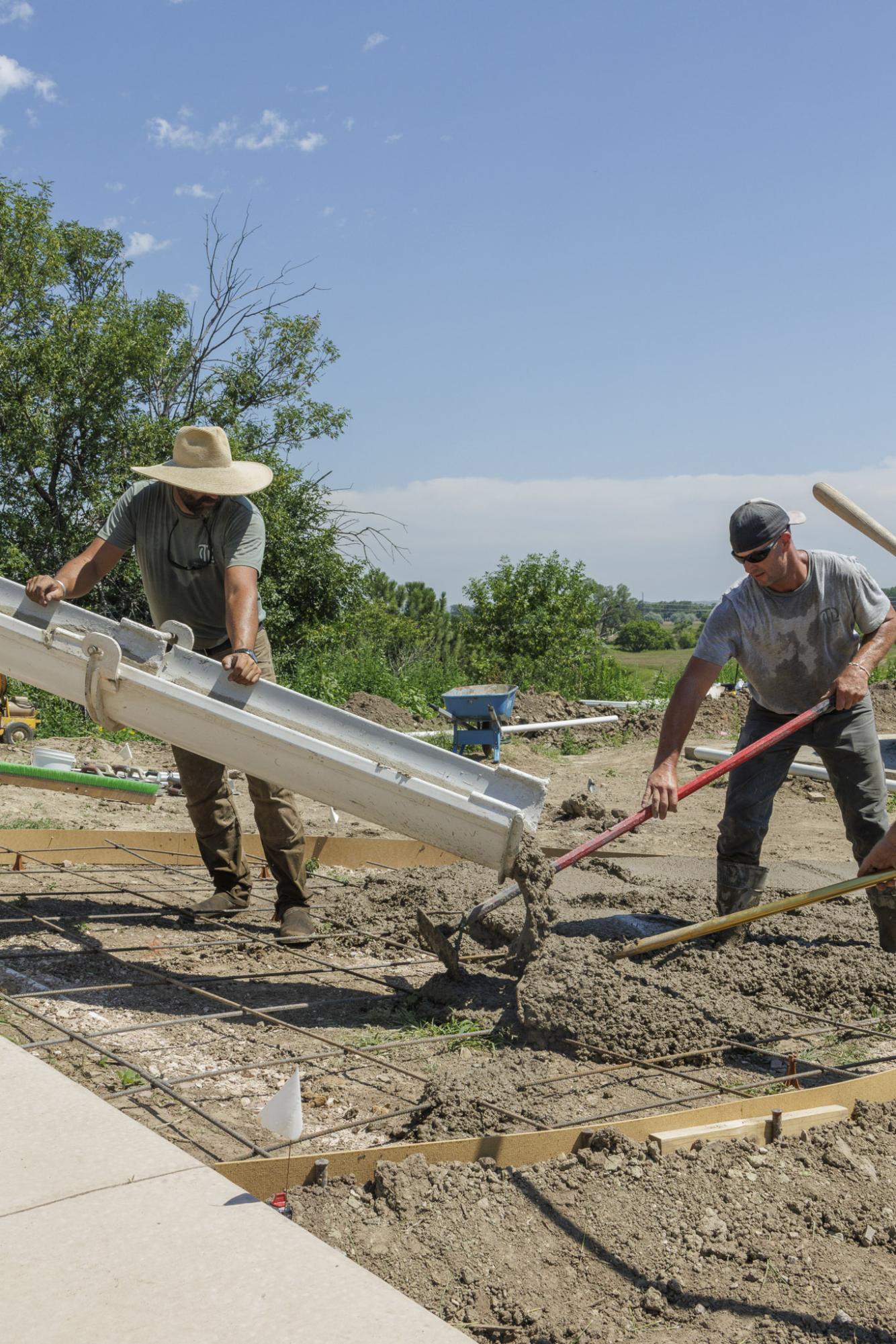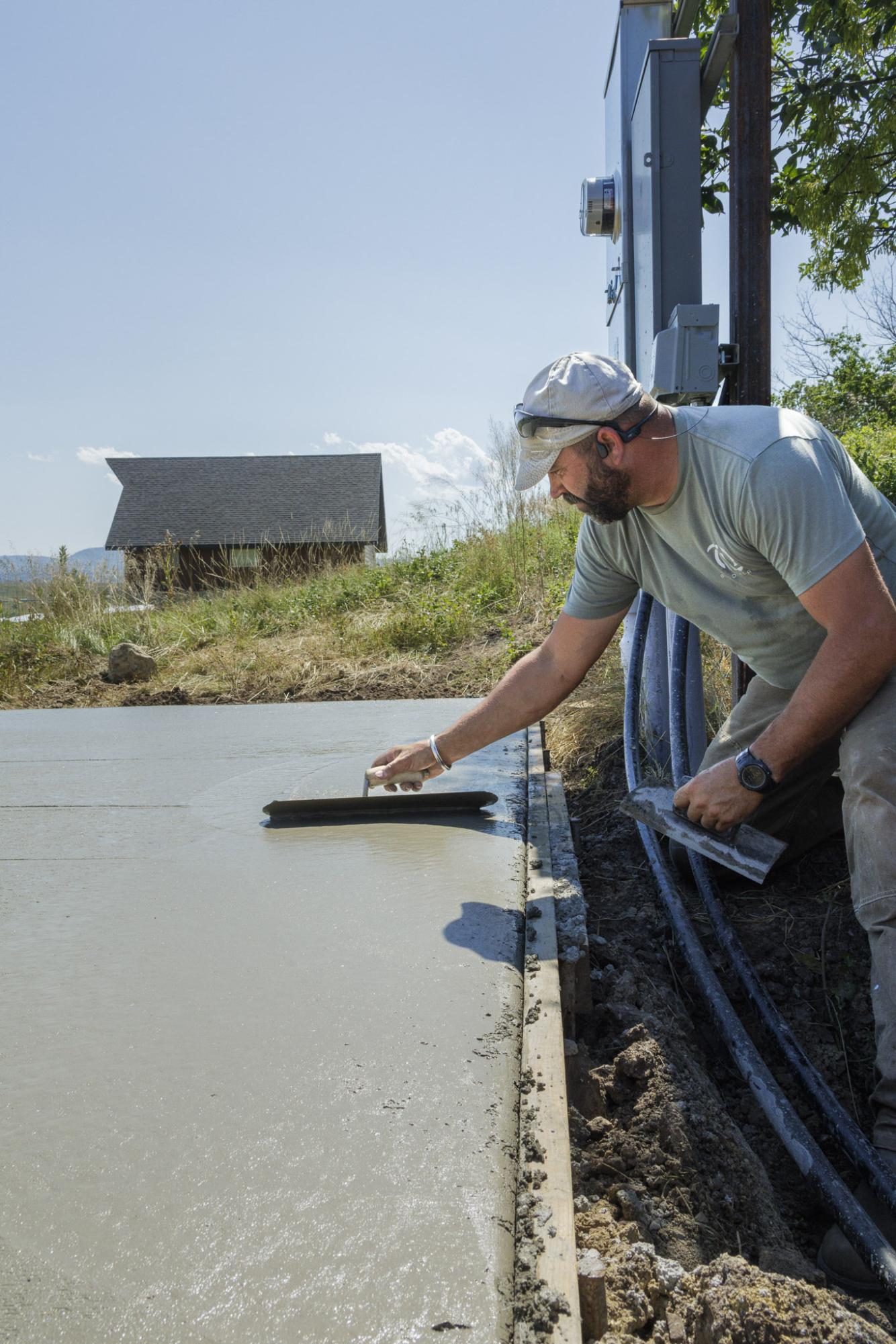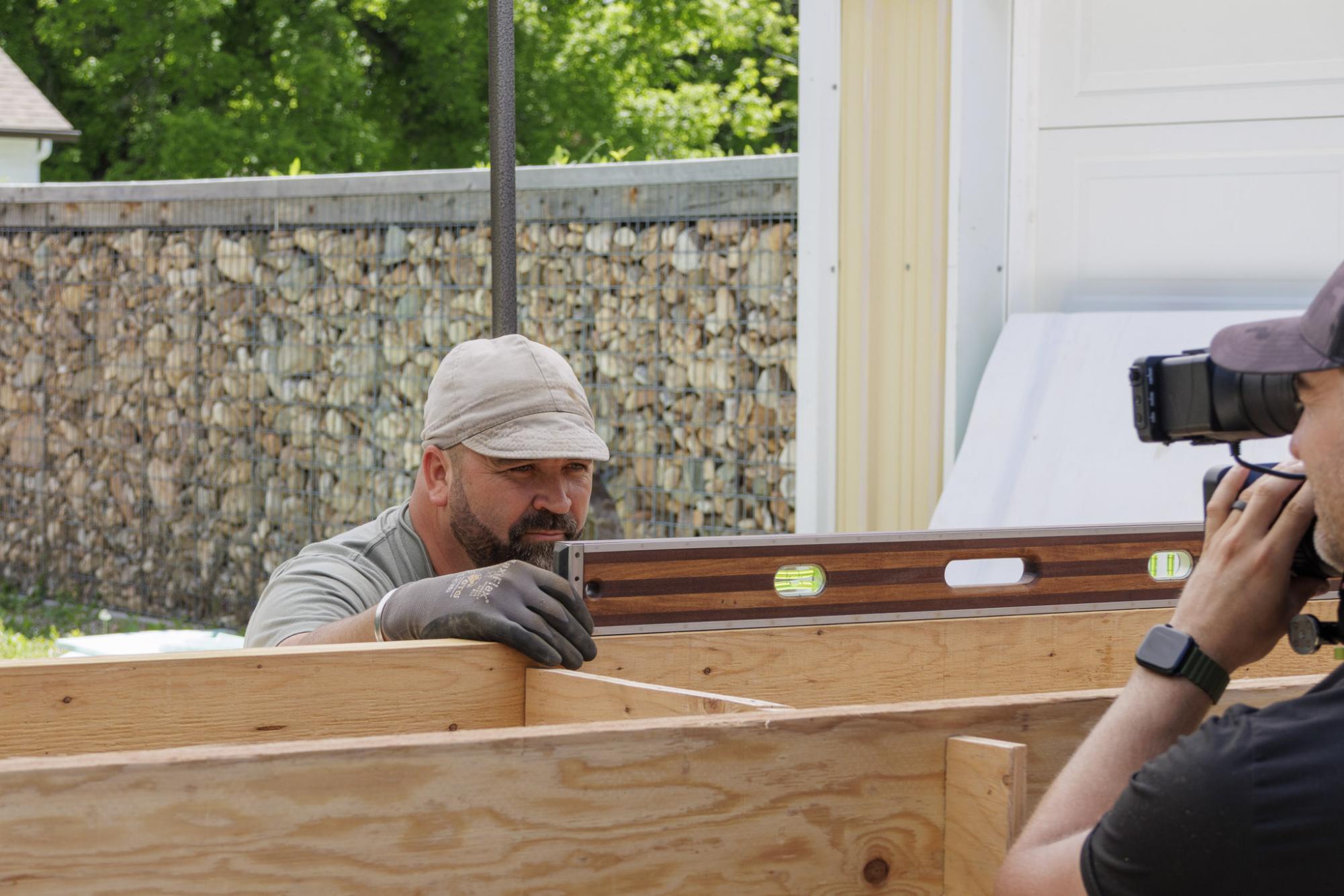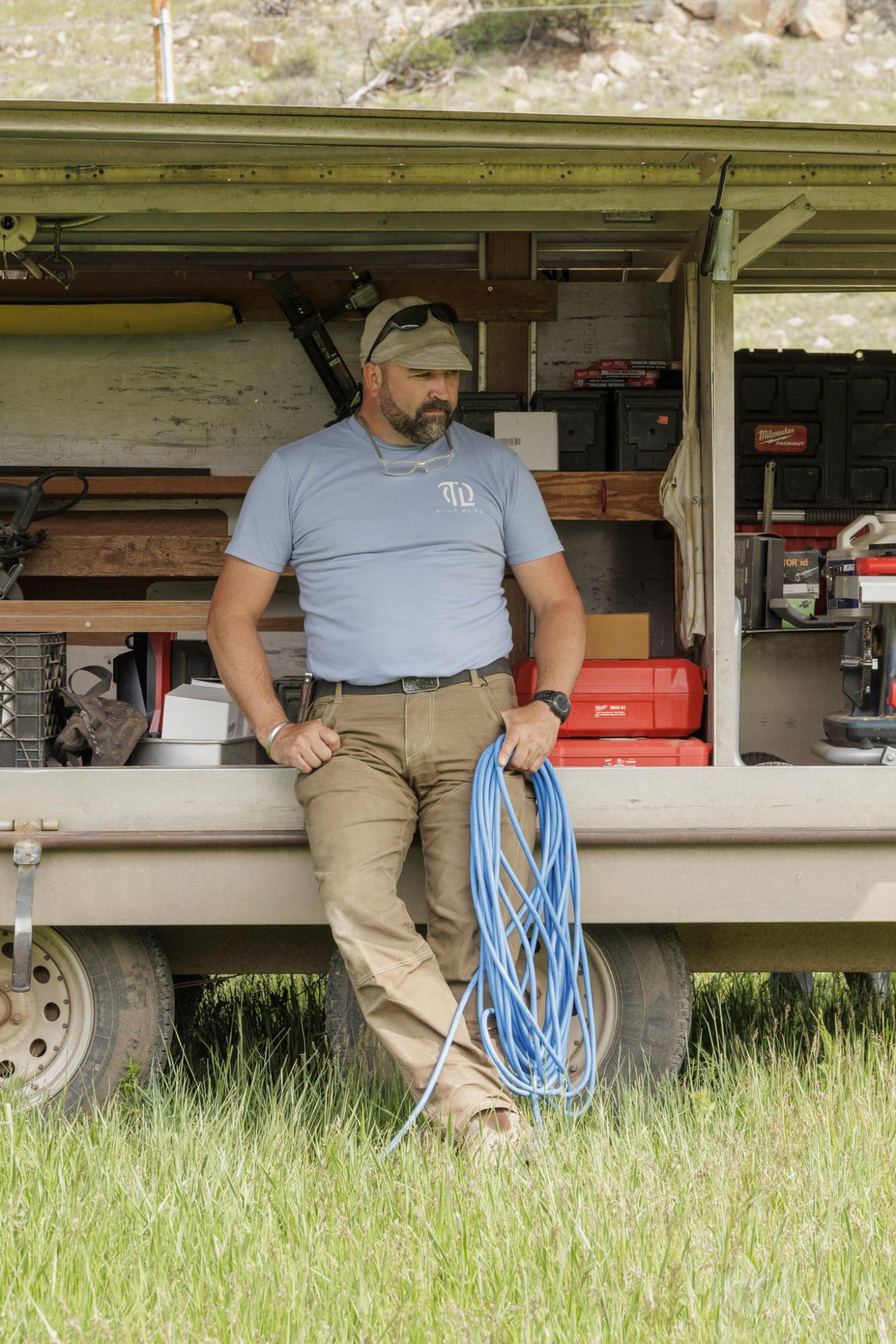
There are many different ways to tell a story, and there are many different tools you can use to tell that story. For Jared Capp, he builds stories from the foundation up.
“I figured out pretty quick I didn’t like to be told what to do, just as a general rule of my life,” said Capp, known to most, other than his parents, as Cappie.
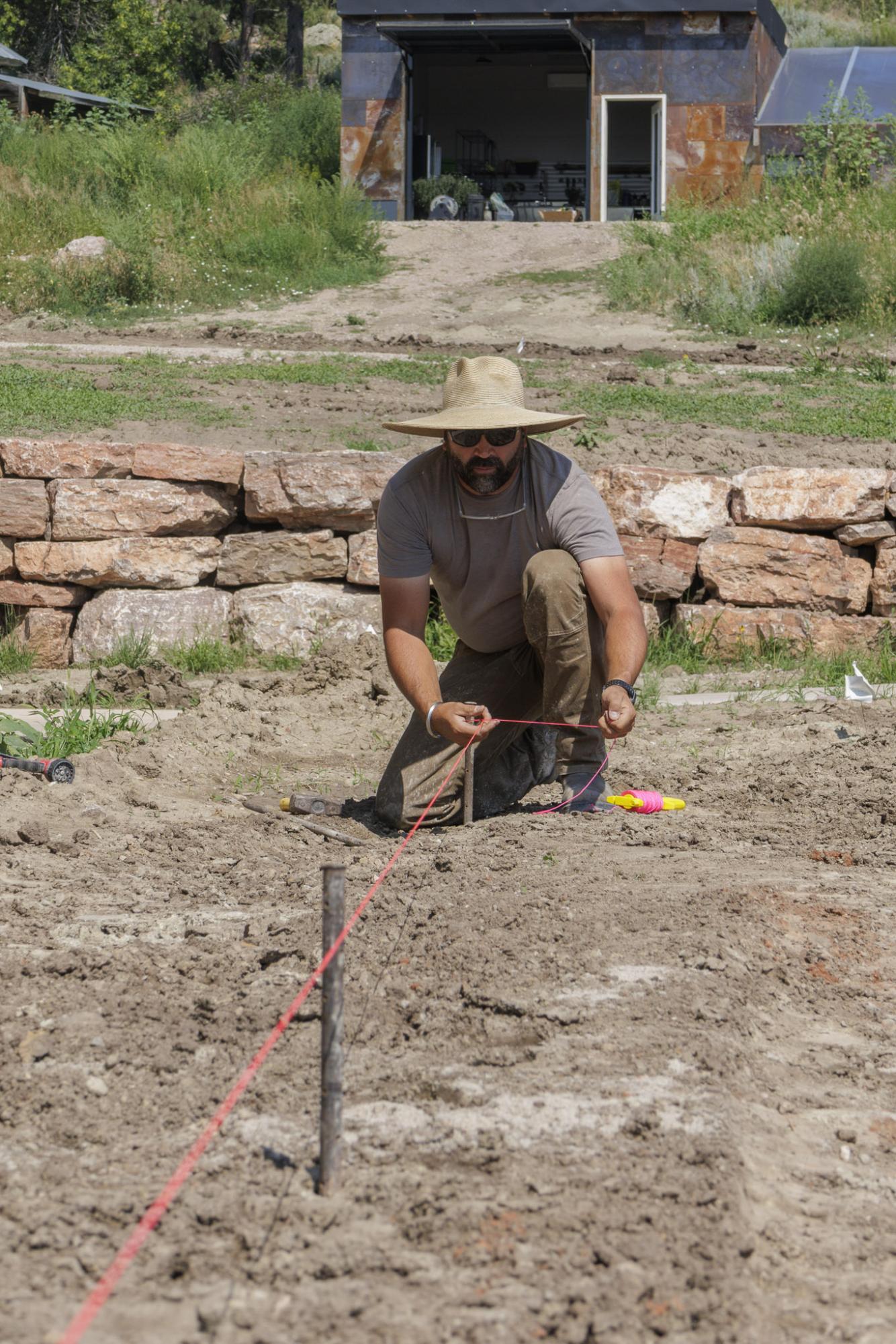
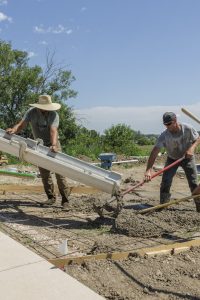
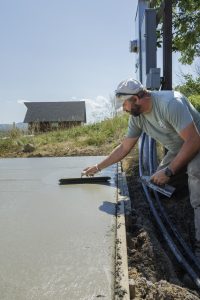
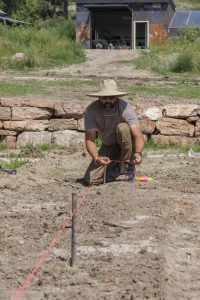
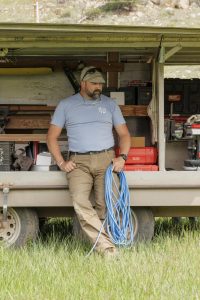
Cappie has always loved a challenge, and life as a builder and contractor consistently provides one. Many people know Cappie as the co-host of Magnolia Network’s television show “Building Outside the Lines,” but he has worked on construction sites since he was a kid. Cappie, along with his brothers, worked on his Grandpa Swisher’s sites, eventually advancing to an official summer employee by the time he reached high school. Cappie was growing his skills as a contractor while the rest of his life helped form a more important skill: storytelling.
Like many people who grew up in the same town their whole childhood, Cappie left Spearfish as soon as he graduated and enlisted in the United States Air Force. His goal: use his time in the U.S. Air Force to travel the world. By the time he left the military, his mission was a success – with a small asterisk.
“When I left the military, I’d been to fifty-three different countries, but realized I’d only been to about five states,” Cappie said. “So after I got out of the military, I lived in my car at the time, a ‘78 Volkswagen bus. I was [living] #vanlife before it was a thing.”
Cappie spent the next few years traveling across Southwest America working odd jobs. Selling hand-made jewelry, making snow at a ski resort, working as a production assistant for MTV and being a wilderness instructor for troubled youth are just a few of the jobs he worked. During his time as a wilderness instructor in the Utah desert, Cappie got a call from his parents asking if he would be interested in buying Grandpa Swisher’s old property, now nicknamed Granny Flats.
“When I came back [to Spearfish], I didn’t have a clear plan for a job,” Cappie said. “[But] I’d always been handy.”
Cappie returned to his roots, literally and figuratively, to work as a handyman in Spearfish. Small jobs escalated to larger-scale projects, such as a backyard pergola, a sunroom addition and an entire enclosed garage.
“I liked [the handyman job] because you didn’t know what you were going to get into,” Cappie said. “When you roll up, you have to investigate and dissect the problem and then rebuild it.”
Within six years of returning to Spearfish, Cappie had the opportunity to build his first custom home for a client. One of his favorite and most challenging projects was also completed during this time of his life: an off-grid straw bale house located on Granny Flats.
“That actually was a long road because no one had ever heard of it, no one had ever seen it,” Cappie said. “Some new hippie kid moved into town and wanted to build this house made out of fuzzy bricks.”
Since the straw bale house was the first of its kind in South Dakota, Cappie worked for four years with city and state officials to acquire the correct paperwork and permits to meet city code standards. The straw bale house was an exercise in patience. Cappie wanted to know what it took to build the structure and tracked every trip, dollar and pound of material. The hand-dug foundation required 633 wheelbarrow trips, and the entire build used 111 gallons of gasoline to operate various equipment. After 11 working months over the course of two calendar years, the straw bale house was completed, completely off-grid, within city limits and up to code.
“Some people do crosswords or sudokus, some people want an athletic challenge, like a marathon or something,” Cappie said. “For me, building is a mental challenge.”
The unconventional nature of Cappie’s builds often lead to unique challenges. Inside the straw bale house is an earthen floor made from a mix of clay, sand and straw. To finish the build, Cappie recruited fellow contractor and long-time friend, Dusten Ell.
“Cappie had never done it, and I’ve never done it, but we did it and it was fun,” Ell said. “It was challenging because we didn’t know how to finish it. I thought I’d take my buffer and screen it. And it worked.”
Another challenge Cappie faced with Ell was a unique airplane-based build that appeared on “Building Outside the Lines.” The plan was to create an off-grid tiny home from a Boeing 757 airplane fuselage. One of the biggest challenges of that build was figuring out how to wrap the curved interior walls with wood paneling.
“That was fun,” Ell said. “It was very difficult, and difficult is fun.”
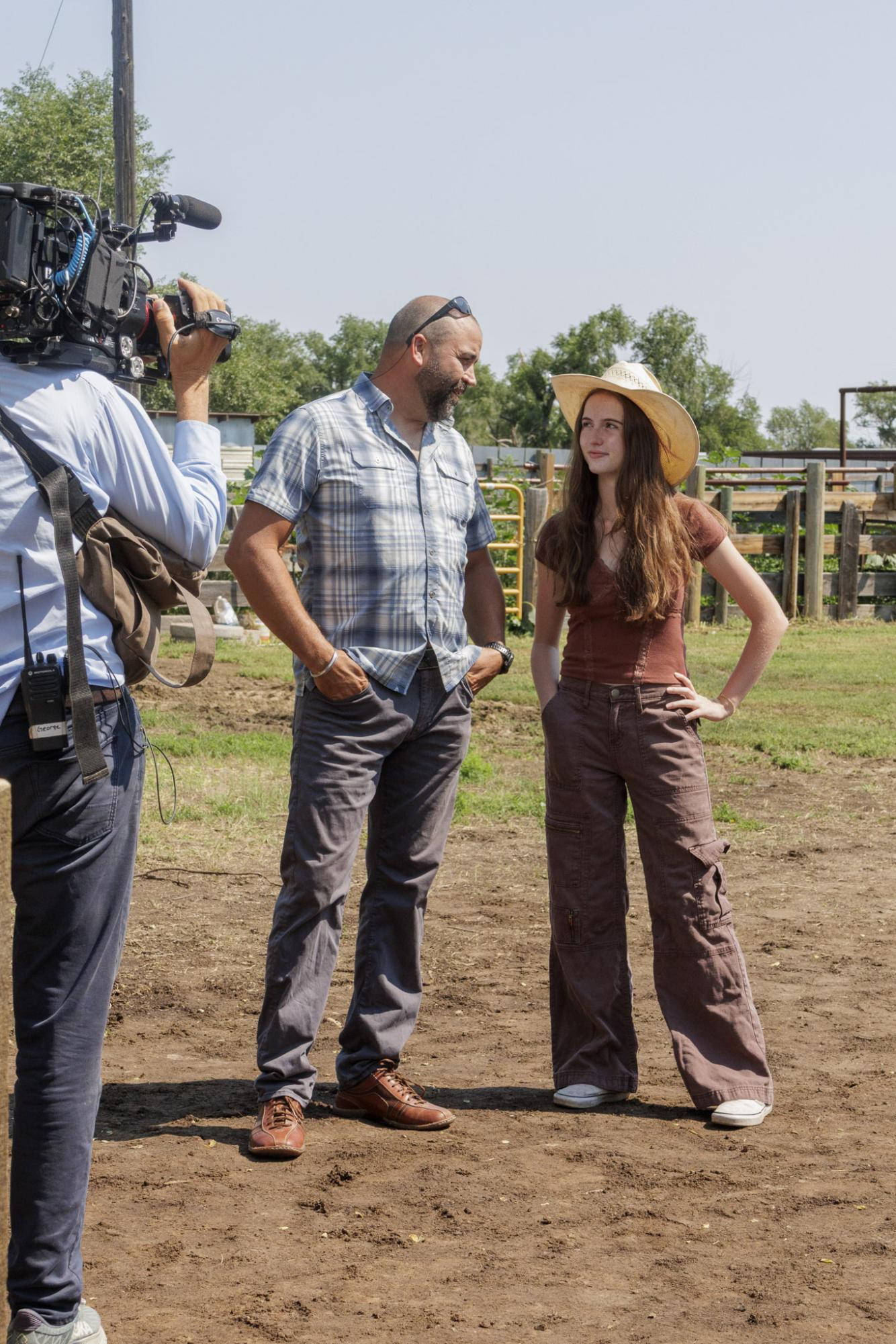
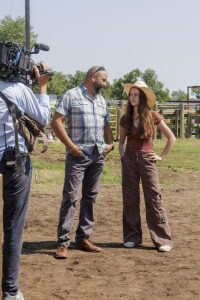
In addition to challenges within the realm of construction, Cappie has faced exciting challenges in recent years – learning how to do the work he loves while co-hosting a television show.
“One of the challenges of the TV show is I wear a lot of hats as the host of that show,” Cappie said. “I have to be the narrator of the show. We have to do scenes that aren’t building scenes and all the things that tell a story to the audience. But my greatest joy is literally, tool bag on, hands dirty, beat-up tape measure on my belt. Let’s go. Let’s build this.”
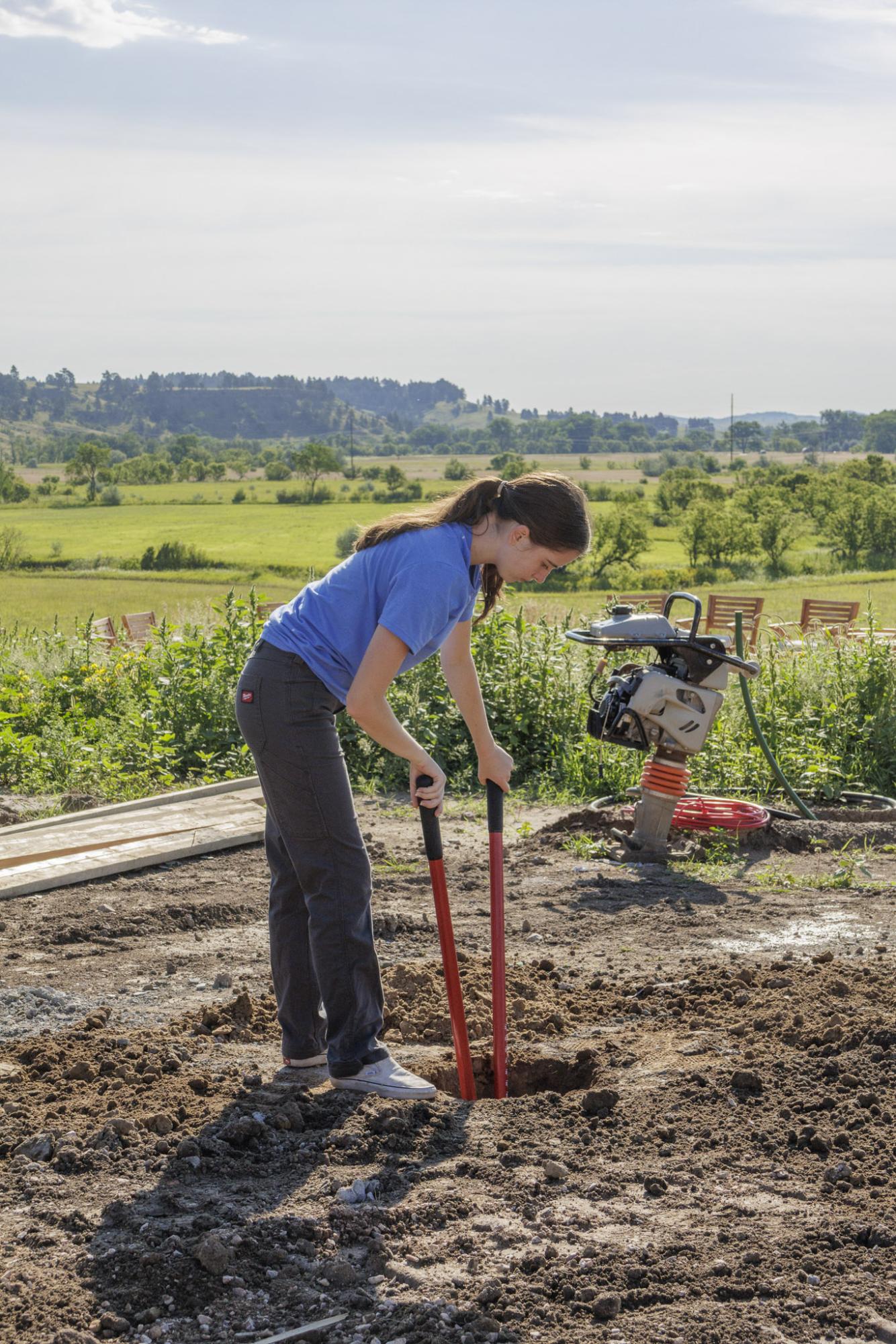
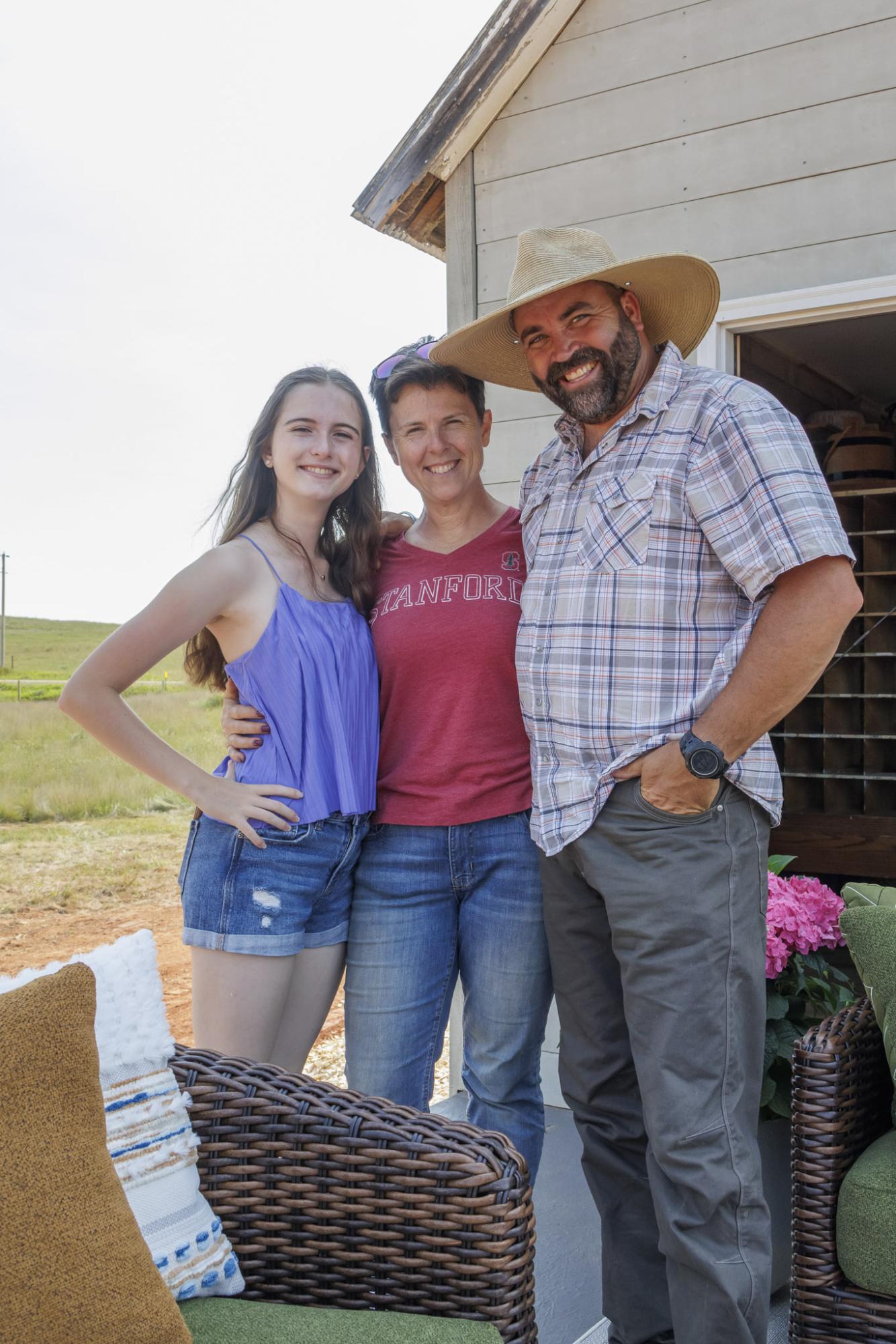
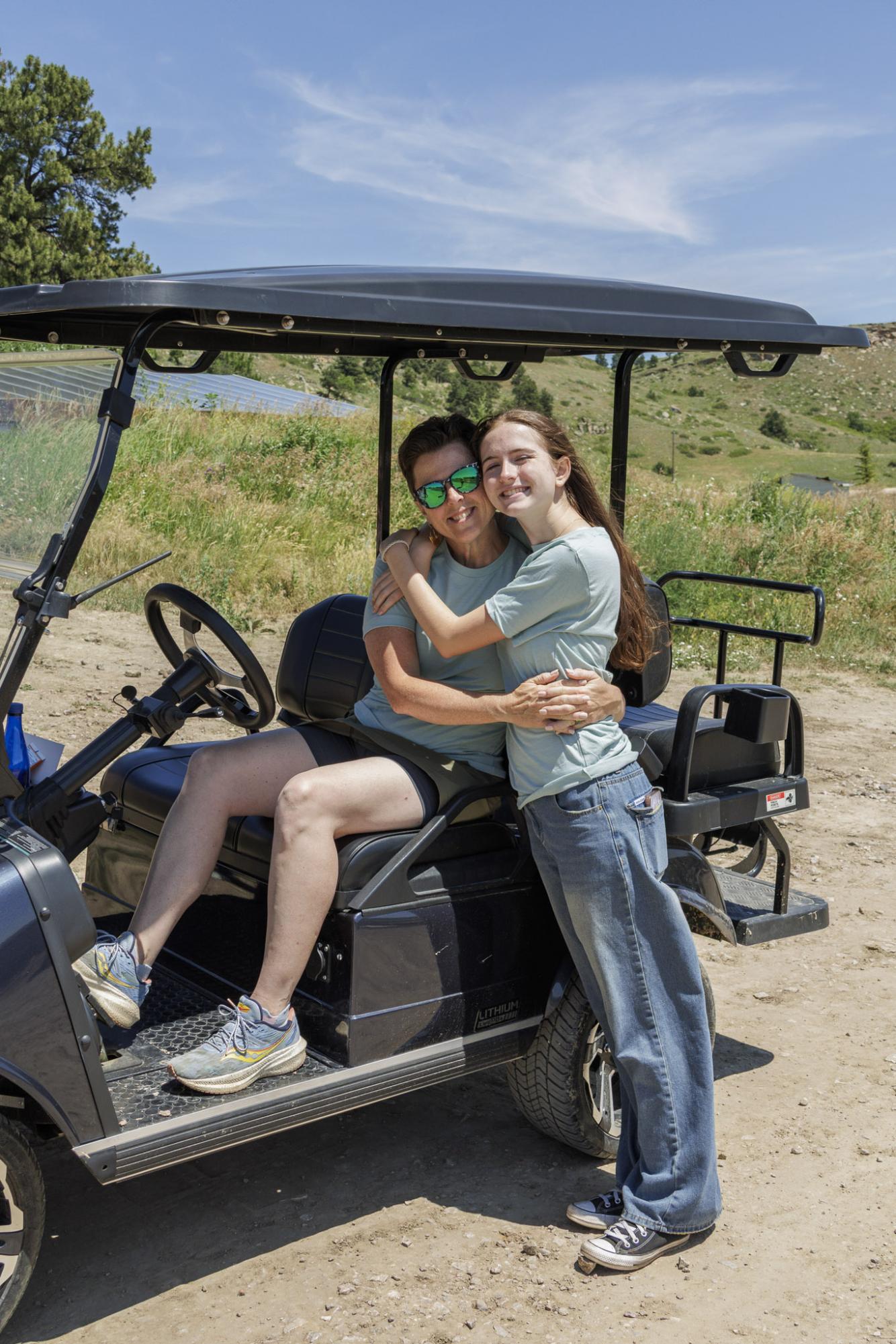
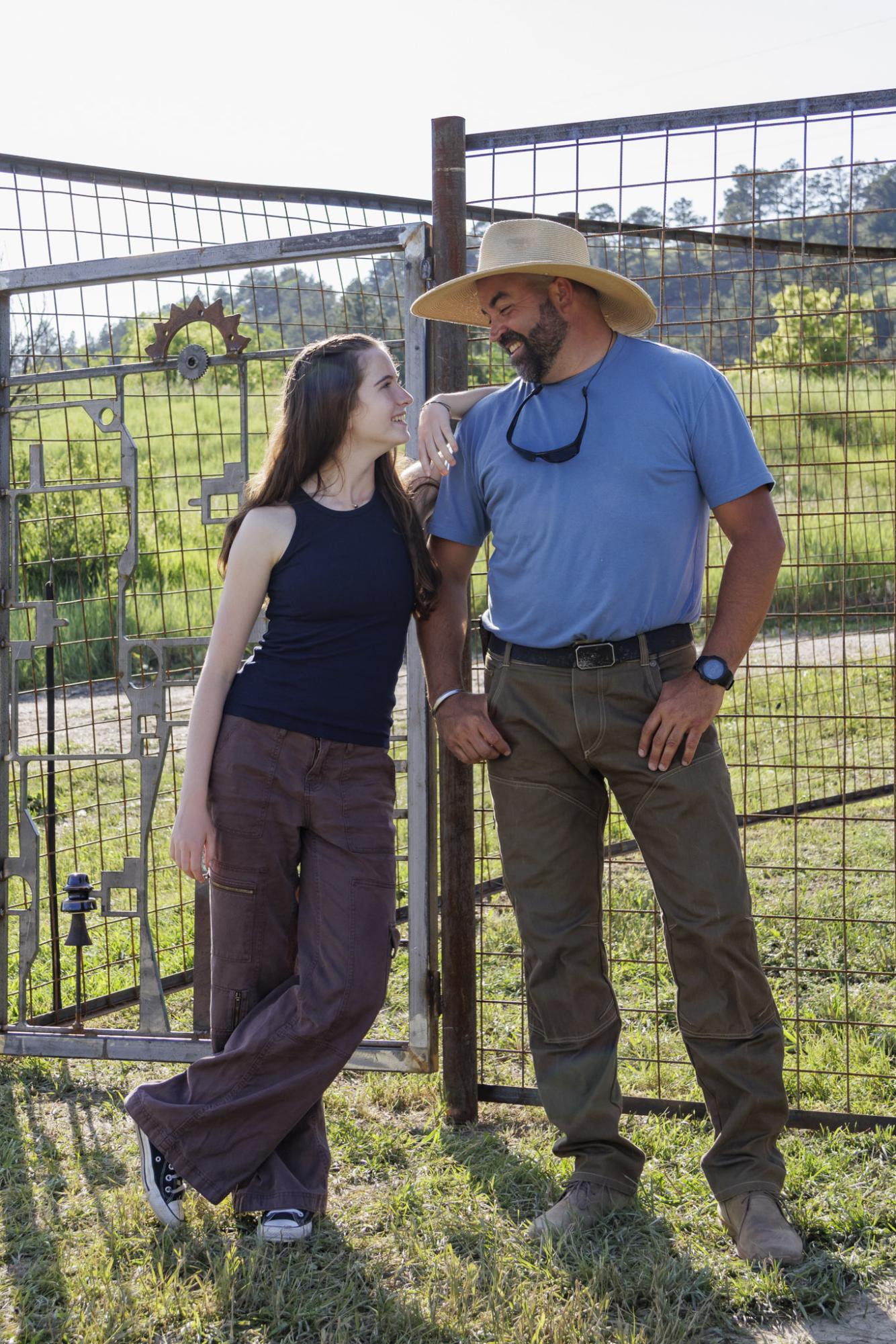
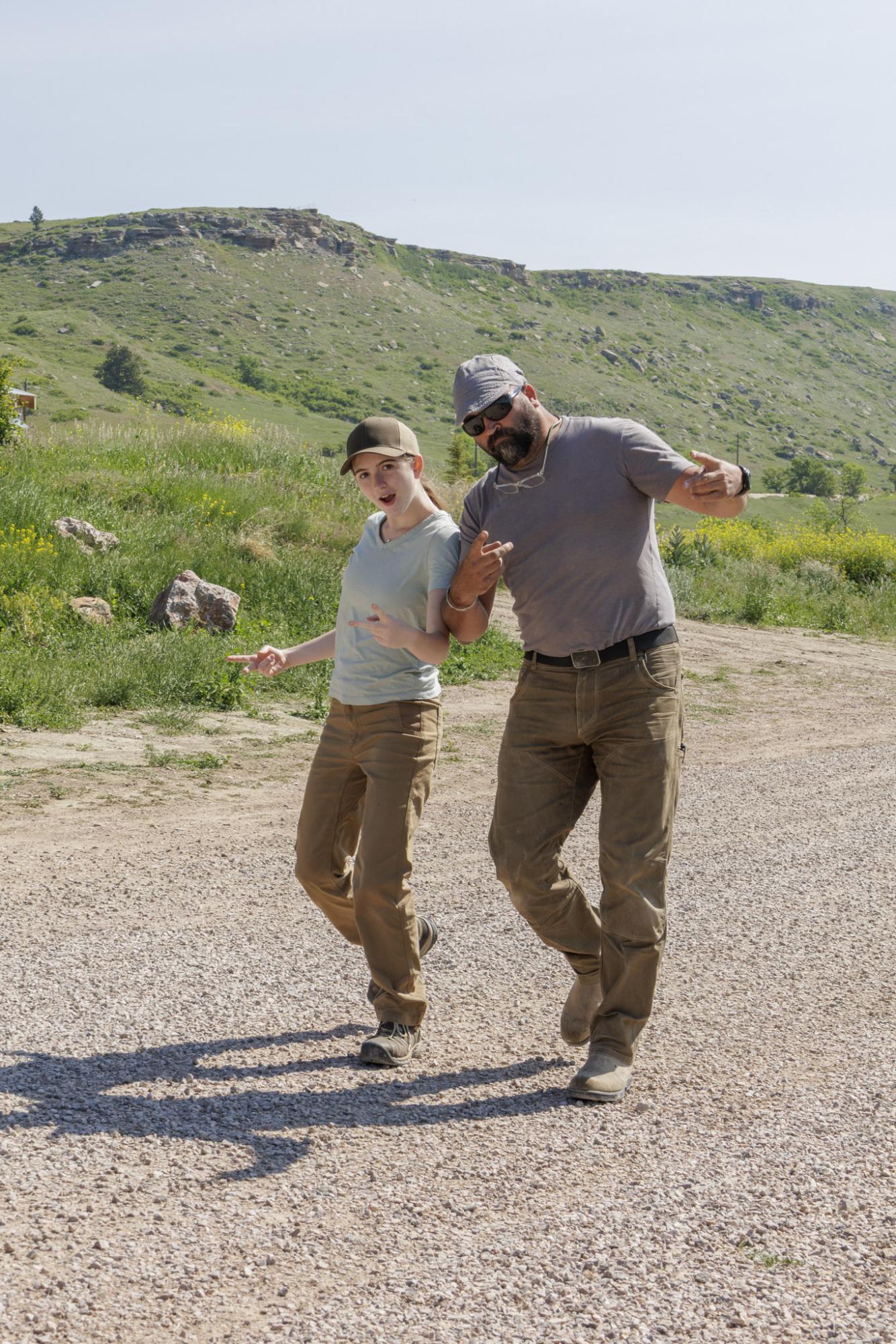
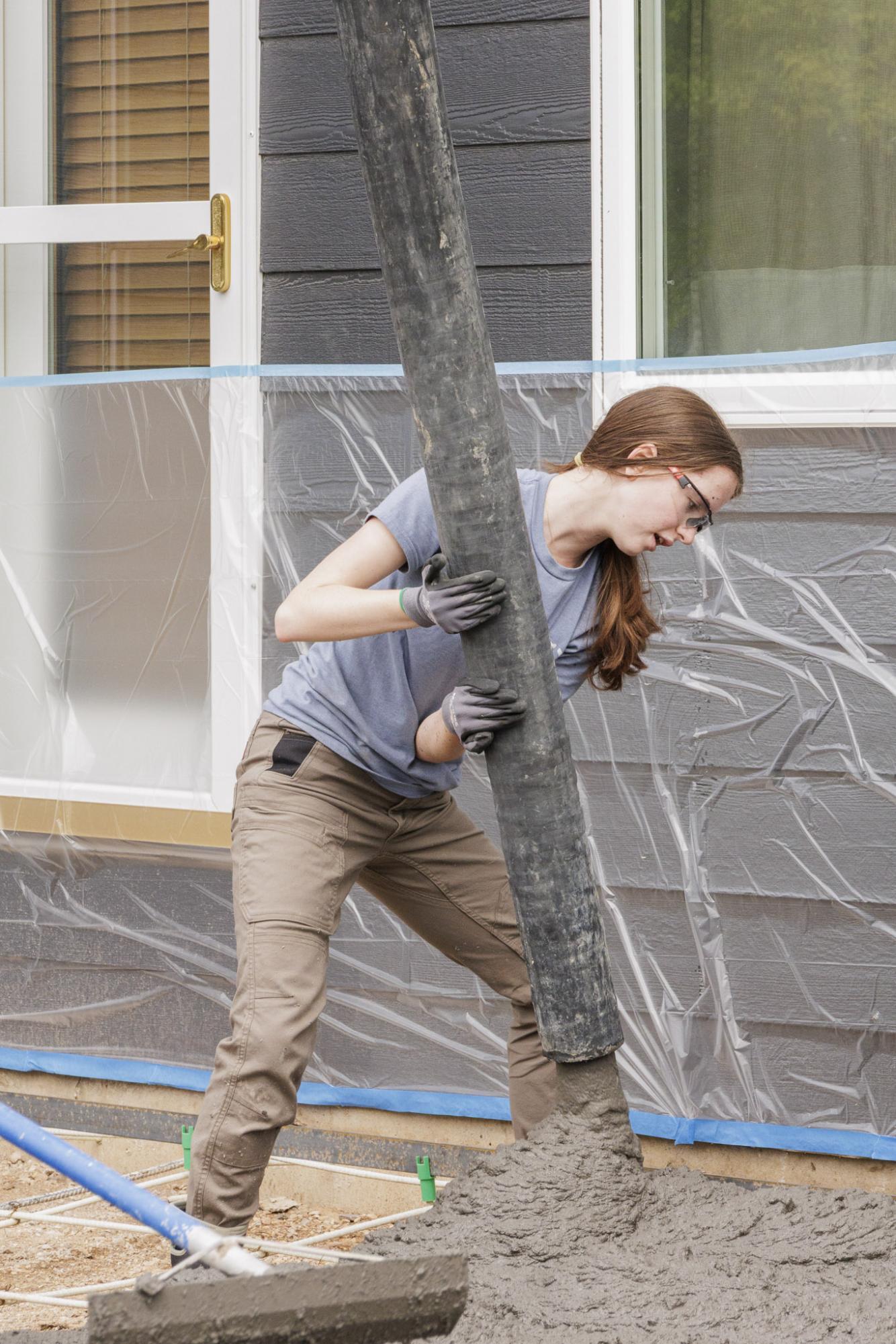
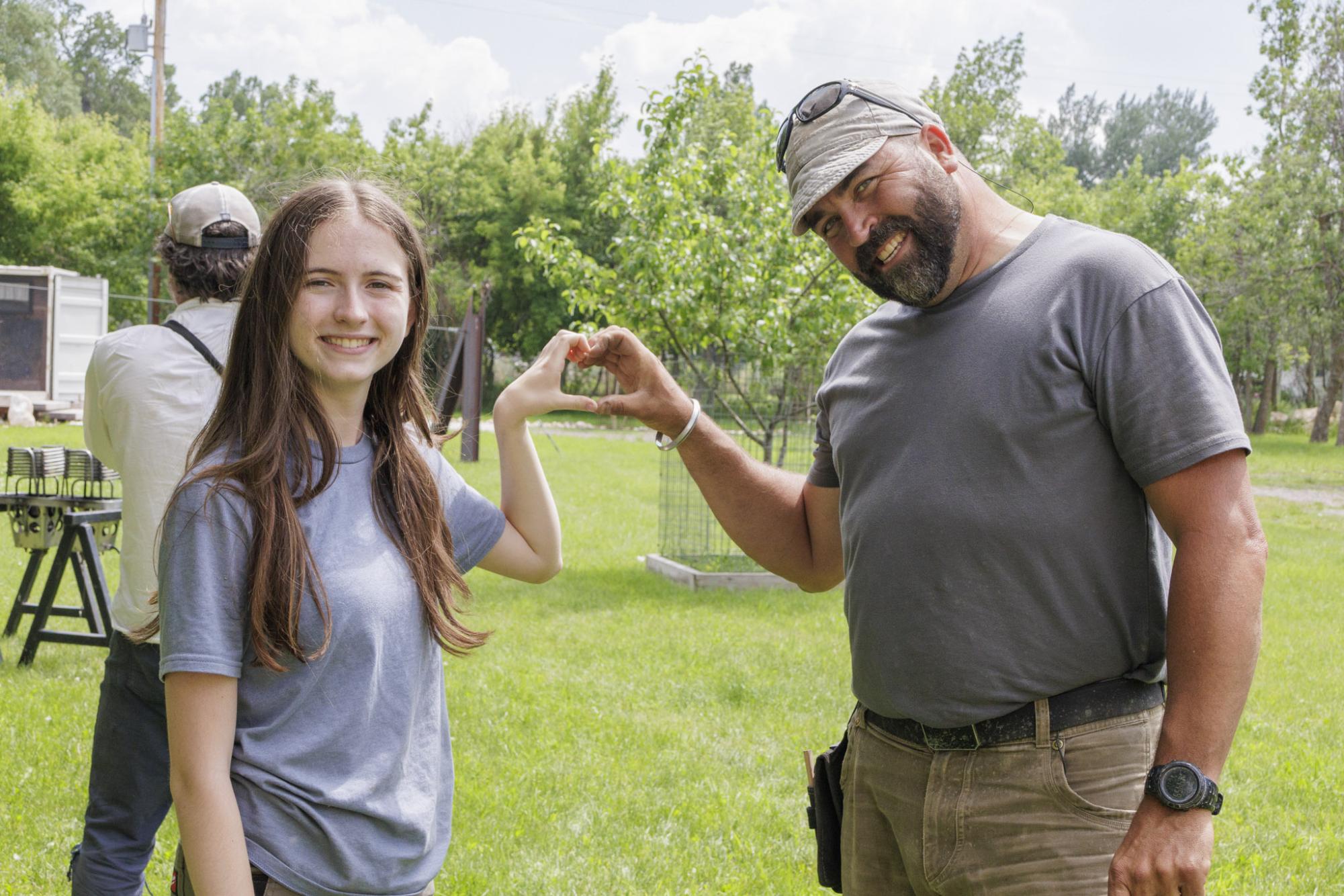
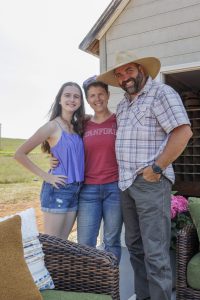
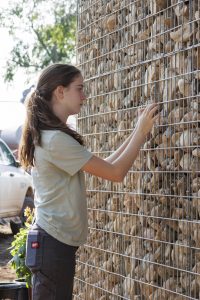
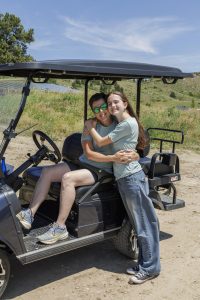
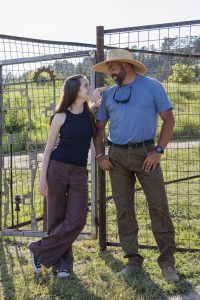
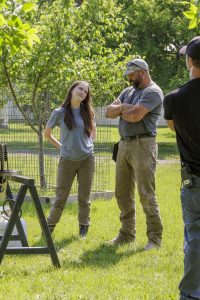
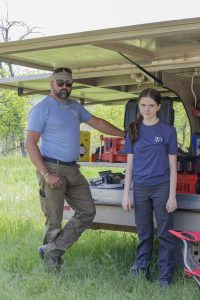
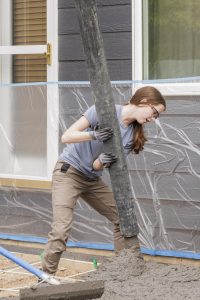
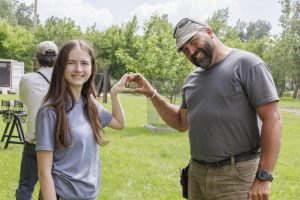
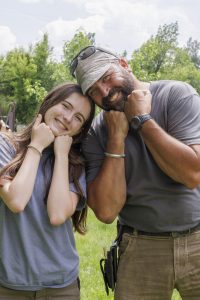
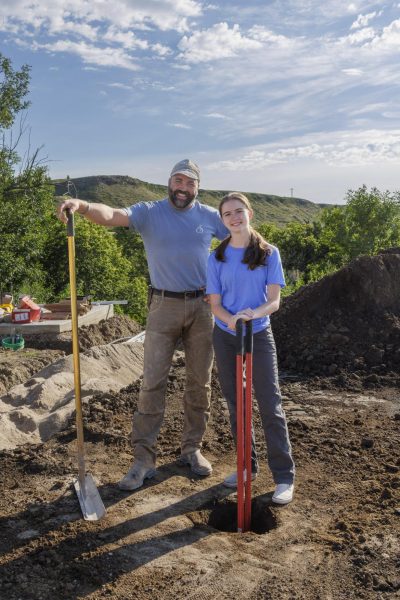
Cappie co-hosts “Building Outside the Lines” with his step-daughter, Alex Headley, also known by her nickname, Sprout. The two first met when Rachel Headley, Alex’s mom and Cappie’s now-wife, hired Cappie to restore her Spearfish home. Similar to Cappie’s introduction to building, Sprout started out helping with small tasks like sweeping up job sites and marking level studs.
“I feel like a lot of people assume he dumped me in the deep end and was like, ‘Have fun kid,’” Sprout said. “You can’t do that and expect someone to figure it out. It’s always started small.”
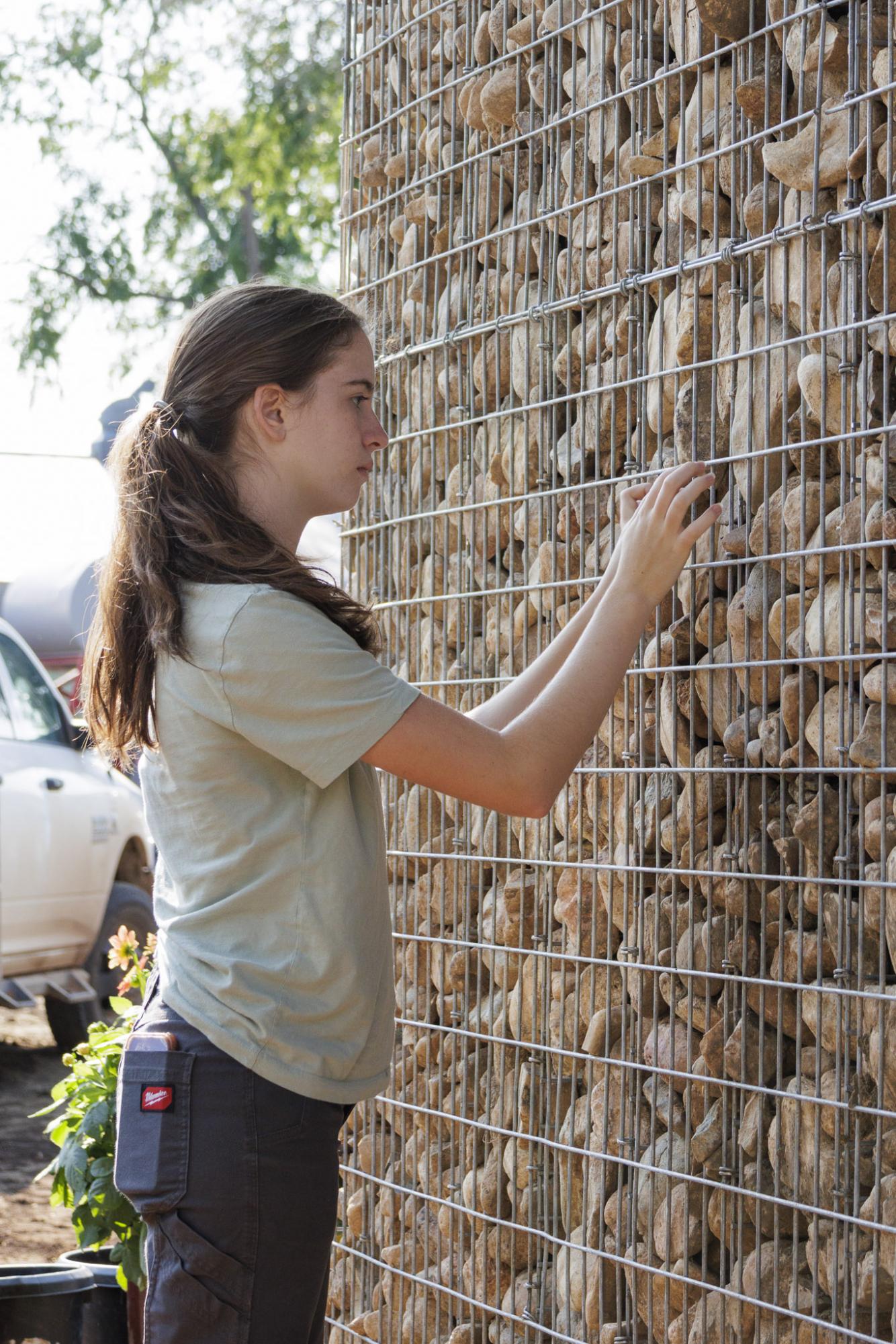
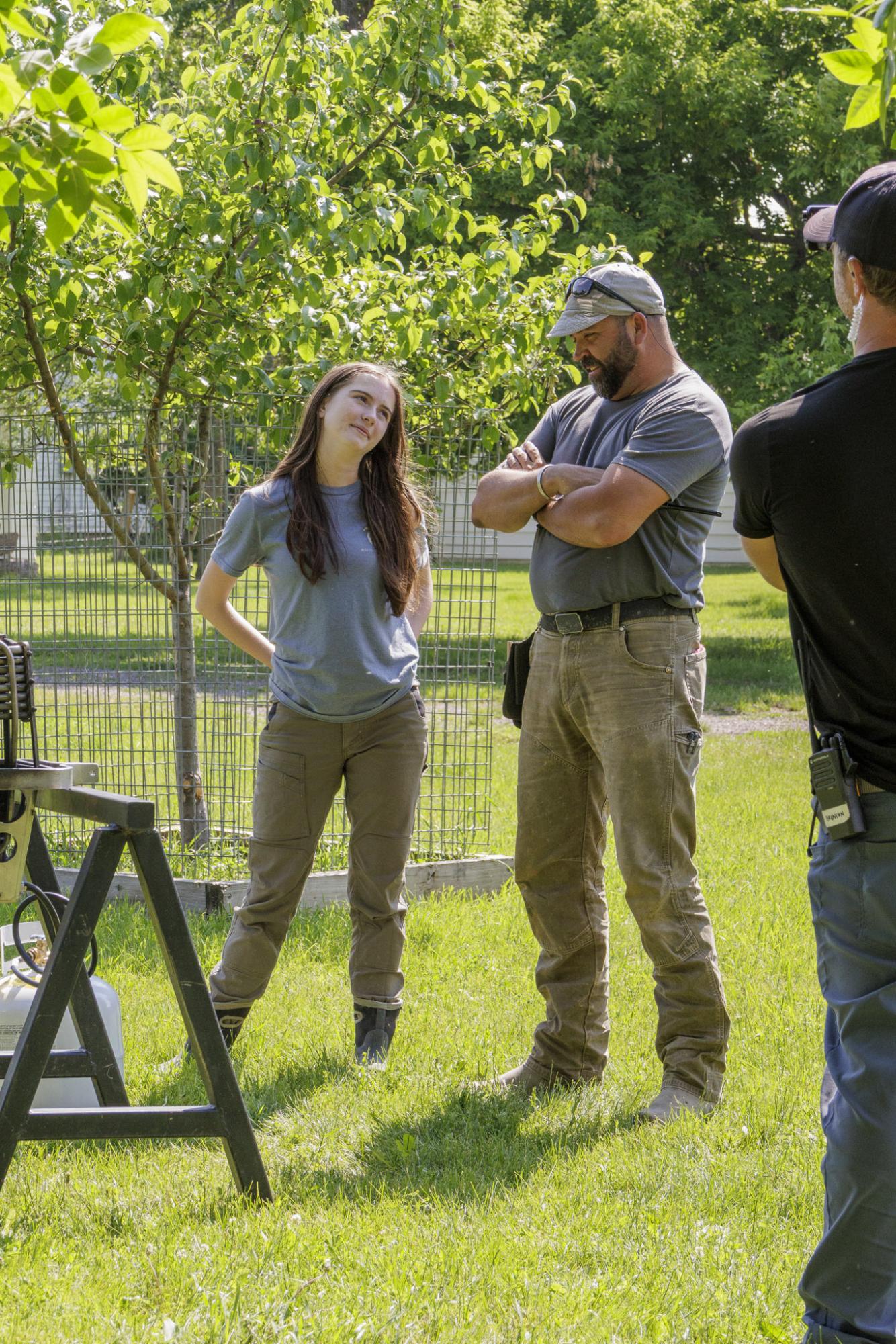
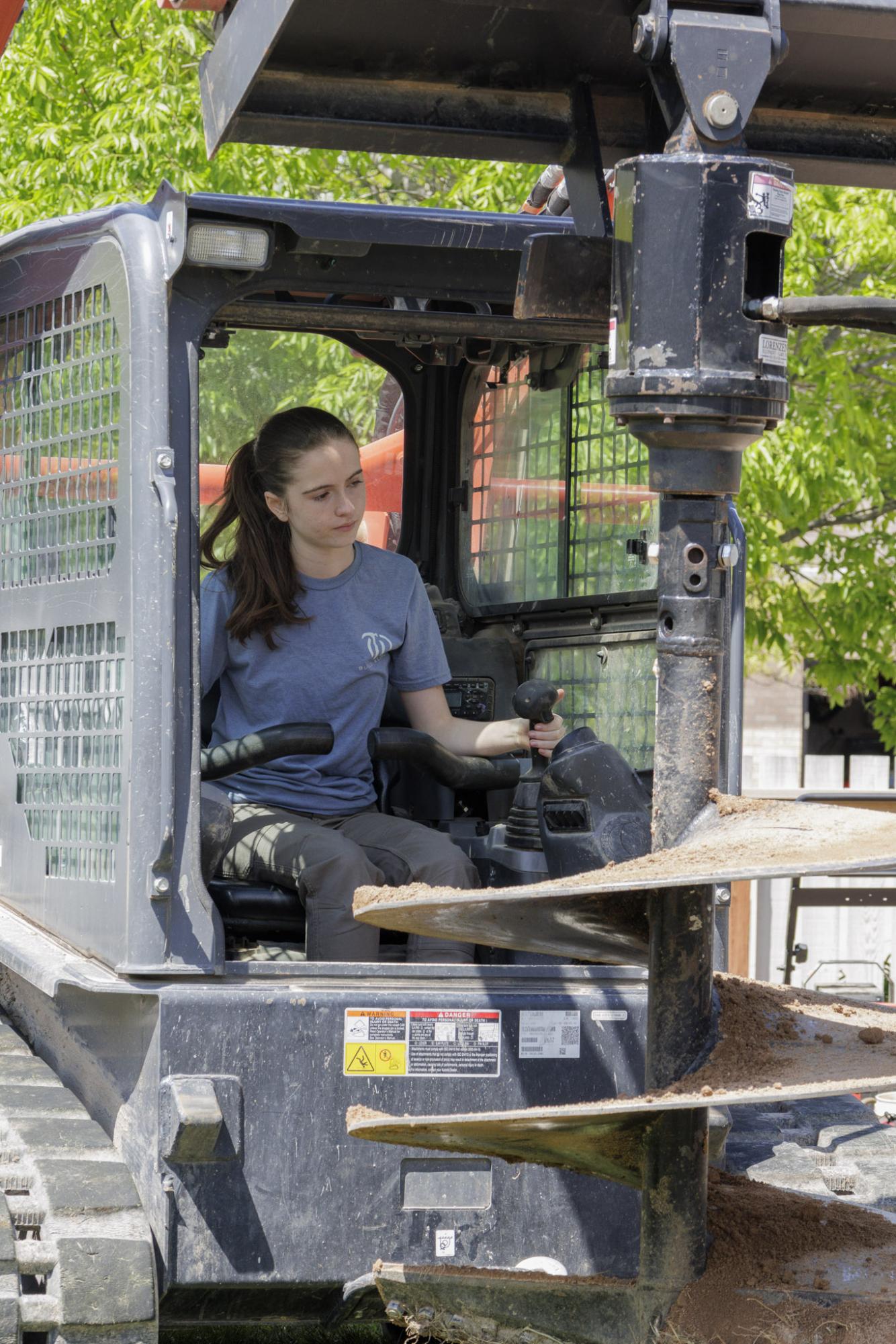
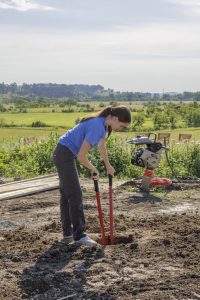
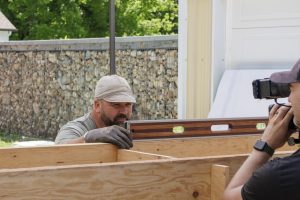
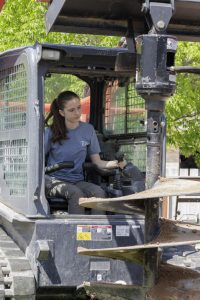
Since working on their house together, Sprout’s skills have grown exponentially. Now, she thrives when running power tools and operating heavy machinery on the job site. Sprout can often be found running a skid-steer with Cappie close by recording her with a smile on his face. If she’s not operating machinery, Sprout might be making a bet about how many brackets she can get screwed in before lunchtime.
“If you would have asked me ten years ago, I would have said there’s no way that I would be up there shooting screws all on my own,” Sprout said. “Cappie has been very good about knowing when to give me more freedom with things. The small steps helped build that sort of confidence and make it feel less scary. In reality, it took a long time for us to get here.”
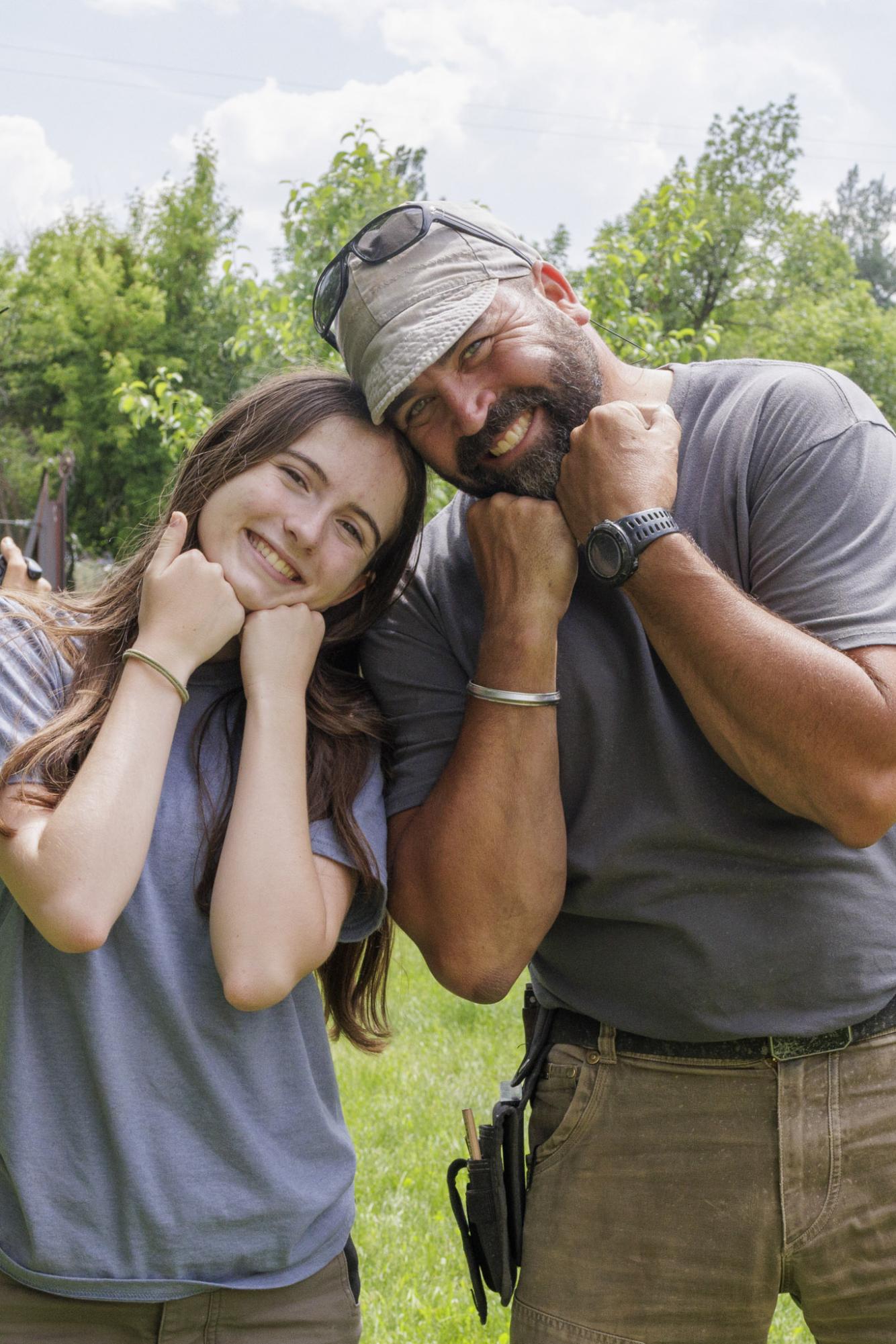
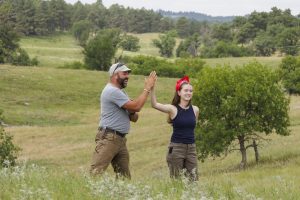
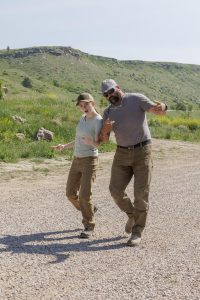
The father-daughter duo is a captivating dynamic, bringing optimism, creativity and thoughtfulness to their builds. Cappie contributes the construction expertise and Sprout helps him imagine the unique designs. Both creatives are detail-oriented, especially when it comes to incorporating personal details from the clients’ lives in finished builds.
“It takes so little effort to pay attention,” Cappie said. “Sometimes you just need to connect your bottom lip to your top lip and listen to what’s important and watch what’s important.”
Cappie and Sprout do more than just build aesthetic projects. Paying attention to the client and their life plays a big role in the design and execution of a build. This could present as a small flowerbed memorializing a pet. Other times it is the inclusion of old photographs from significant times in the client’s life.
“We like to do things that will only really be noticed by the clients,” Sprout said.
One of these builds included a 70-year old grain bin from season one of “Building Outside the Lines.” The episode features the movement of the grain bin from a family property to the client’s current home in the Black Hills. The old structure found new life as an outdoor kitchen and hang-out space, complete with a custom barbeque and cozy interior seating. Even small details that most viewers of the show do not notice were considered with care.
“We did a painting for them of the original grain bin on the property,” Sprout said. “The sun was setting on one side and the moon was on the other side, but the client loved Star Wars, so we painted the moon to look like the Death Star.”
Creating details that only their clients will notice is part of Cappie and Sprout’s creative process. Much like Cappie’s love of a challenge, Sprout’s detail-oriented additions are one of her favorite parts about working on a build.
“We like small things like that. Something small that the client can see and think, ‘Oh, that’s so cool!’” Sprout said. “I think that’s probably the best part.”
Cappie and Sprout’s goal when approaching a build is to create a finished product that celebrates and contributes to a client’s story.
“Life is just this series of stories and experiences,” Cappie said. “Honoring a place is important to me because it’s part of that person’s story and I want them to have a good story… My job is to be an advocate of the client and their story.”
Sprout and Cappie work together to advocate for their clients. Their teamwork is evident in finished builds that display harmony between unique designs based on unconventional construction elements. Working together in this way helps tell their clients’ stories.
“I feel like honoring another person’s life is really cool just because everyone is so interesting and unique,” Sprout said. “Each of our clients is different and each of our clients has a different story, so it’s really fun to work on things that you know will go to someone who will enjoy it.”
Celebrating clients’ stories has cultivated a strong sense of connection between Cappie, Sprout and everyone they work with.
“Everybody’s very creative,” Ell said. “You bring three, four great minds together and you create this glorious thing at the end, and that’s fun.”
There is no shortage of creativity between Cappie and Sprout. Another aspect the duo prioritizes is practical sustainability. In an industry that sees so much waste, Cappie approaches builds thinking about longevity.
Oftentimes the most sustainable materials and processes cannot hold up as long as traditional, less sustainable processes. Additionally, the most sustainable projects often take a substantial amount of time. Cappie looks for the perfect balance between cost efficiency, time management, sustainability and longevity.
In this search for balance comes chaos. Like many builders, Cappie has stockpiles of old parts and leftover materials waiting to be used in future projects.
Sometimes sustainability in a build means repurposing material that is already tucked away. Other times efficiency takes priority and Cappie uses new materials that were created sustainably.
Brandon Ruby, Cappie’s foreman for many projects, came from a background of traditional construction. Through working with him, Ruby has been exposed to many sides of Cappie’s practical sustainability approach.
“I like the spontaneity,” Ruby said. “I love the repurposing of stuff by bringing old stuff back to life. I love taking great things – barns and old wood and tin – and giving them another one-hundred years of creativity.”
Practical sustainability and longevity are inextricably linked. Cappie’s goal in building is to create something that lasts – a finished product that will bring joy to his clients long after he is gone. A legacy is not about a name enduring, it is about being able to contribute to someone else’s story while doing something you love.
“I still drive around this town and I can point out the houses I built,” Cappie said. “People are making memories in those houses and having Christmases and birthdays and funerals in those houses. I’ve never signed any artwork I’ve ever made, I don’t need my signature on it. That’s not the point. I got the joy of building it, and that’s what I wanted from it.”
Although “Building Outside the Lines” is a part of Cappie’s legacy, being a TV personality was never a part of his plan.
“I wouldn’t stop building, or creating crazy wild things,” Cappie said. “I’d just do it without cameras following me around.”
Cappie’s legacy is formed in the actions he takes now and getting joy in the craft of designing and building. Legacy is rooted in people’s stories, so contributing to others’ stories in a way is also contributing to their legacies. Cappie and Sprout’s time together on the show is unconventional, but an irreplaceable line in their stories.
“Everyone has their story,” Cappie said. “What we’re doing now, the time I’m spending with Sprout, the projects we’re working on, are a part of her story.”