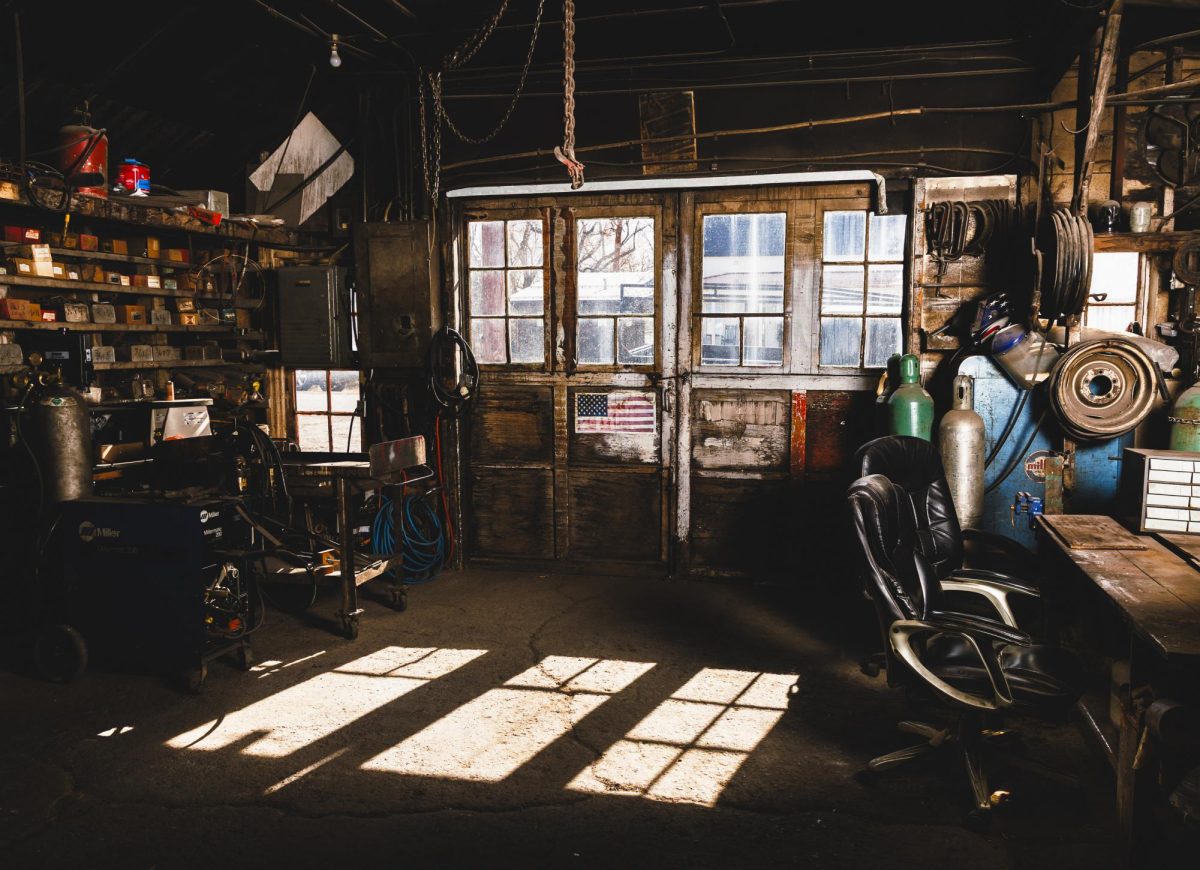

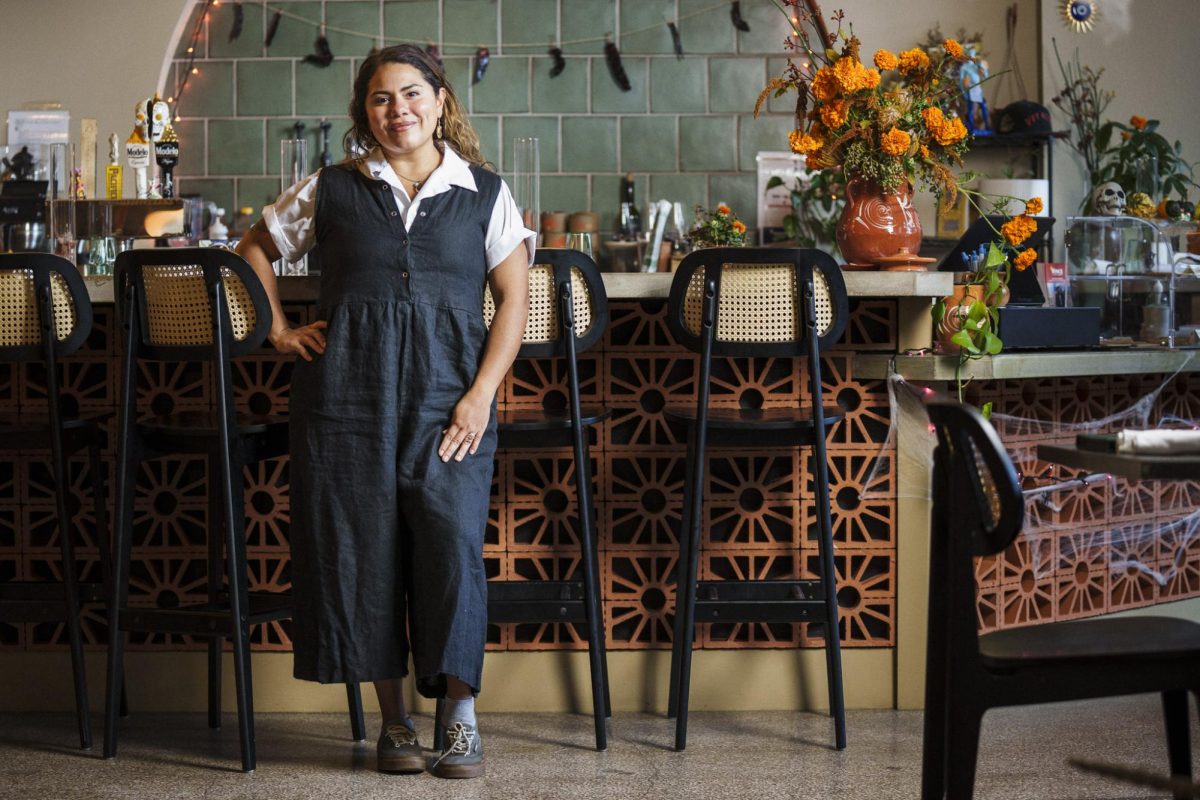
“We came to the United States to keep our family together – my mom made the decision,” said Marcela Salas. “My biological father had already moved and was working as a welder. We got travel visas and crossed the border on foot with everything we owned on our backs.”
Salas, her mother Patricia Burbine and her two sisters made the trek to El Paso, Texas, in 1999, where they reunited with Salas’ father. Shortly after, the family moved to Omaha, Nebraska, where they attempted to start their new lives in the U.S.
“We got our first duplex house there,” Salas said. “But my biological father wasn’t the best father – he kind of left us without financial means at the time.”
Burbine became a single mother of three, cleaning houses to keep food on the table and a roof over her daughters’ heads.
Without legal status, it was difficult for the family to find ways to make ends meet. The dream of uniting as a family had long since passed.
“I guess he abandoned us in that way,” Salas said. “We went through a little period of homelessness, and, without legal status, we had a lot of fear of separation for a while. But we found some help in a local church and were eventually able to become residents [in the U.S.]. At that point, it was a little bit easier to navigate life in the United States.”
That local church was the relief Salas and her family needed – it’s where Burbine met her new husband and how the family found itself with another chance at a fresh start in a new city.
The family followed Burbine’s husband to Sioux Falls, South Dakota, for his work around 2016. There, Salas, her mother and her sisters were able to benefit from a more stable situation. Salas and Burbine, in particular, were able to rediscover something that changed their lives forever.
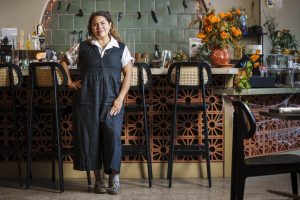
In 2024, Salas and her mother realized their long-time dream of one day opening their own restaurant – a way to share their food, their culture and, most importantly, a way to bring communities together. Their restaurant, BibiSol, specializes in nixtamal and Mexican cuisine.
The culinary world and the ideal of a familial, community-driven side of food culture had always been a part of Salas’ life. Cooking is a large part of her cultural identity and a way for her to stay close to those around her.
“I’ve always loved cuisine, and I think that comes from my grandmother and my mother,” Salas said. “Growing up, my mom would always cook for us, and my grandmother would always find her place in the kitchen – it was her place where she could find artistic creativity and express herself. I was very much influenced by the matriarchs in my family.”
Even when times were hard, the kitchen was never quiet.
“My mom always had this ability to look through our pantry and just make something, even if we didn’t think we had anything to eat,” Salas said. “I think that resilience really helped me understand that, however we’re getting this food, we need to treat it better and elevate it.”
The lessons Salas learned from her family were never lost on her. Even to this day, as she navigates the complexities of entrepreneurship and restaurant management in the culinary climate of the Midwest, Salas’ familial mentality shines bright.
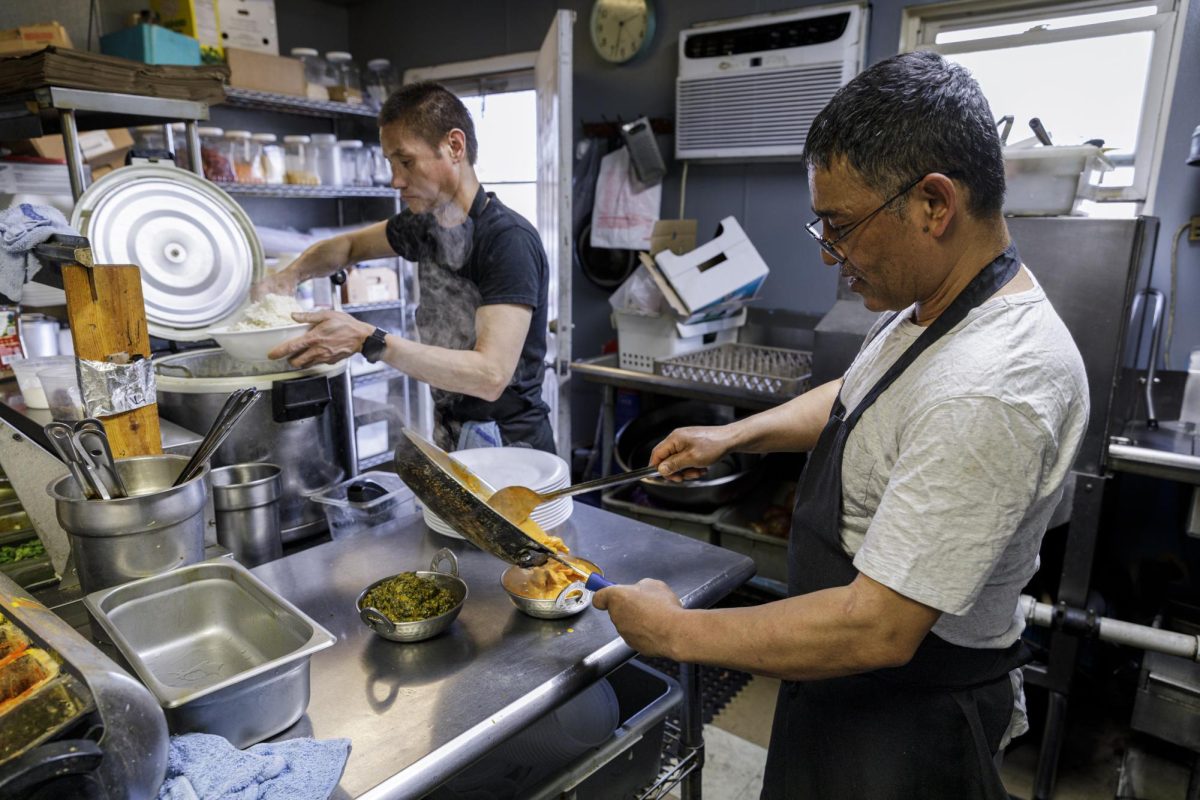
“I think the matriarchal aspect to the restaurant has been really interesting to witness,” Salas said. “To be in a restaurant where [my mother and I] both, as matriarchs, are leading a team is a different cultural experience for staff members. A lot of our staff members say that they’ve never had their managers care about them or feed them, so we try our best to make sure that we’re providing our staff with meals every time they work because food insecurity is something that nobody should have to go through.”
Salas’ passion for bringing the community together doesn’t just stop at the door – she and her mother make it a point to do everything the right way, even when it’s not cheap or easy. Bibisol boasts an extensive list of partnerships with local producers, keeping mass-produced products and ingredients as far away from their kitchen as possible.
“We pour into our community locally,” Salas said. “It makes for more intentional food, and we couldn’t be happier that way. As chefs, we’re storytellers, and it’s been really cool to be the storyteller of these producers because they work hard, and sometimes they don’t have the means to tell it themselves.”
But before the restaurant, the producers and the community, Salas and Burbine only had a vision.
“When I moved [to the] USA, it was in my dreams to maybe one day sell something,” Burbine said. “In Mexico, I had a small restaurant – I love to cook. When I moved [to Sioux Falls], I [made] friends at the hospital my husband worked at, so I started selling food in the hospital.”
Burbine’s reputation for sharing high-quality foods and salsas caught the attention of the owners and founders of the Brandon Farmers Market, who recommended that Burbine and Salas start selling their salsas there.
“We founded a salsa company in the summer of 2020,” Salas said. “We started selling at wholesale farmers’ markets, and eventually self-funded a food truck.”
It didn’t take long for Salas’ Salsas to garner recognition and, given their drive to expand, they quickly caught the attention of several well-established chefs and owners in the area.
“Marcela and her mom, Patricia, came to me when they just started their salsa business,” said Beau Vondra, a Sioux Falls native and current Director of Food and Beverage Operations for Fernson Brewing Company. “Generally, when I get product samples, especially salsa and hot sauce, I’m not a huge fan of them, but they blew me away. Above all, they’re genuine [people] and that always strikes a chord with me – talent aside, if you’re a good person, a lot of the time that’s all that matters.”
The mother-daughter duo’s dedication to keeping things local and authentic rarely yielded a negative review and created a following that provided the means and confidence to create a more permanent, spacious home for their traditional cooking methods and culinary experiments.
“I knew that they knew what they were doing based on the product,” said Jordan Taylor, a nationally recognized chef and owner of Pizza Cheeks, Bread & Circus and En Place Catering. “She reached out to me to get some advice about opening a restaurant downtown, but I doubt they really needed my help. They mostly figured it out on their own, and, obviously, they did a great job – the restaurant is beautiful.”
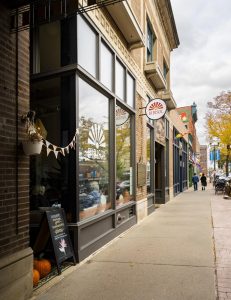
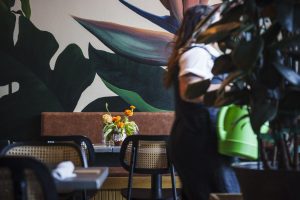
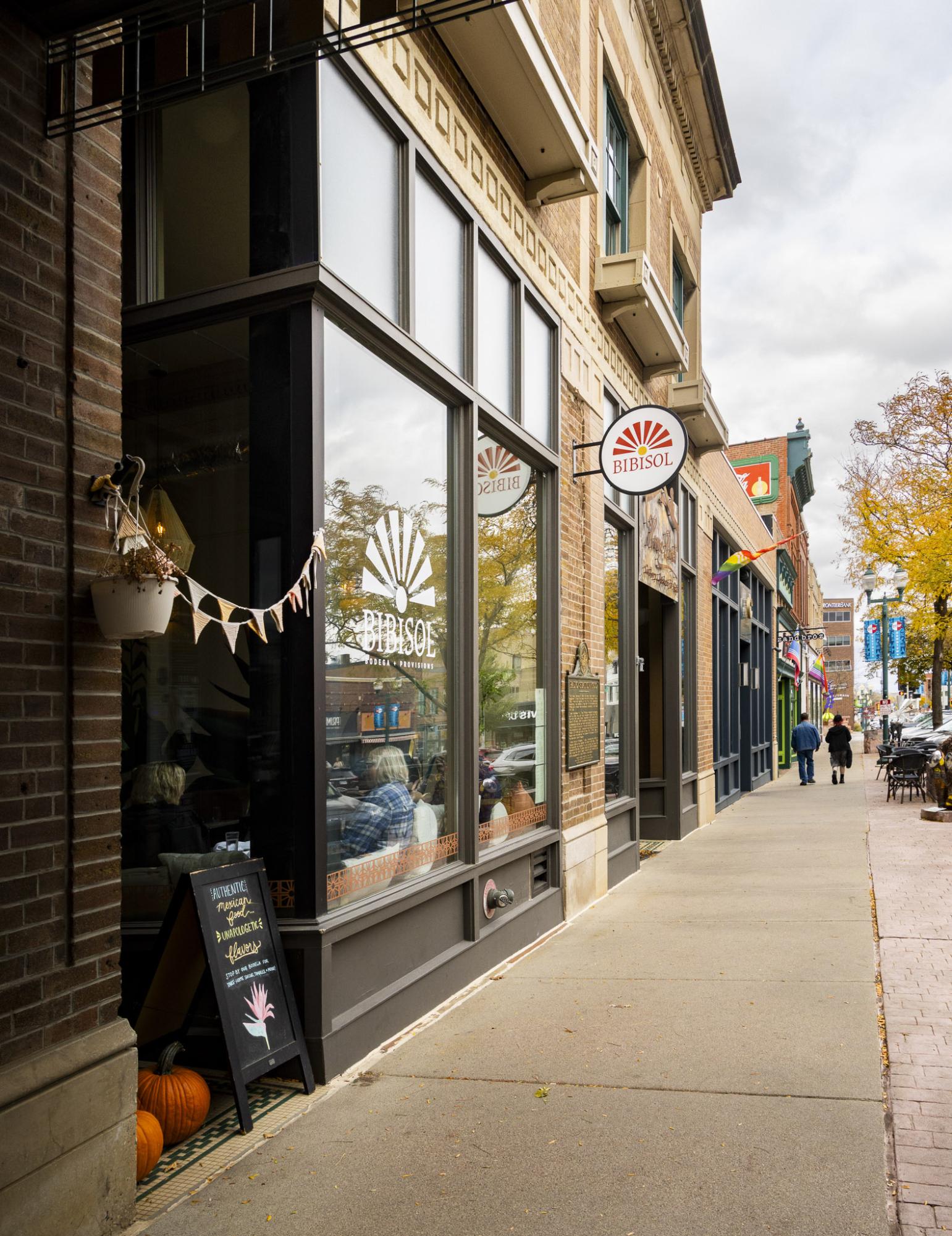
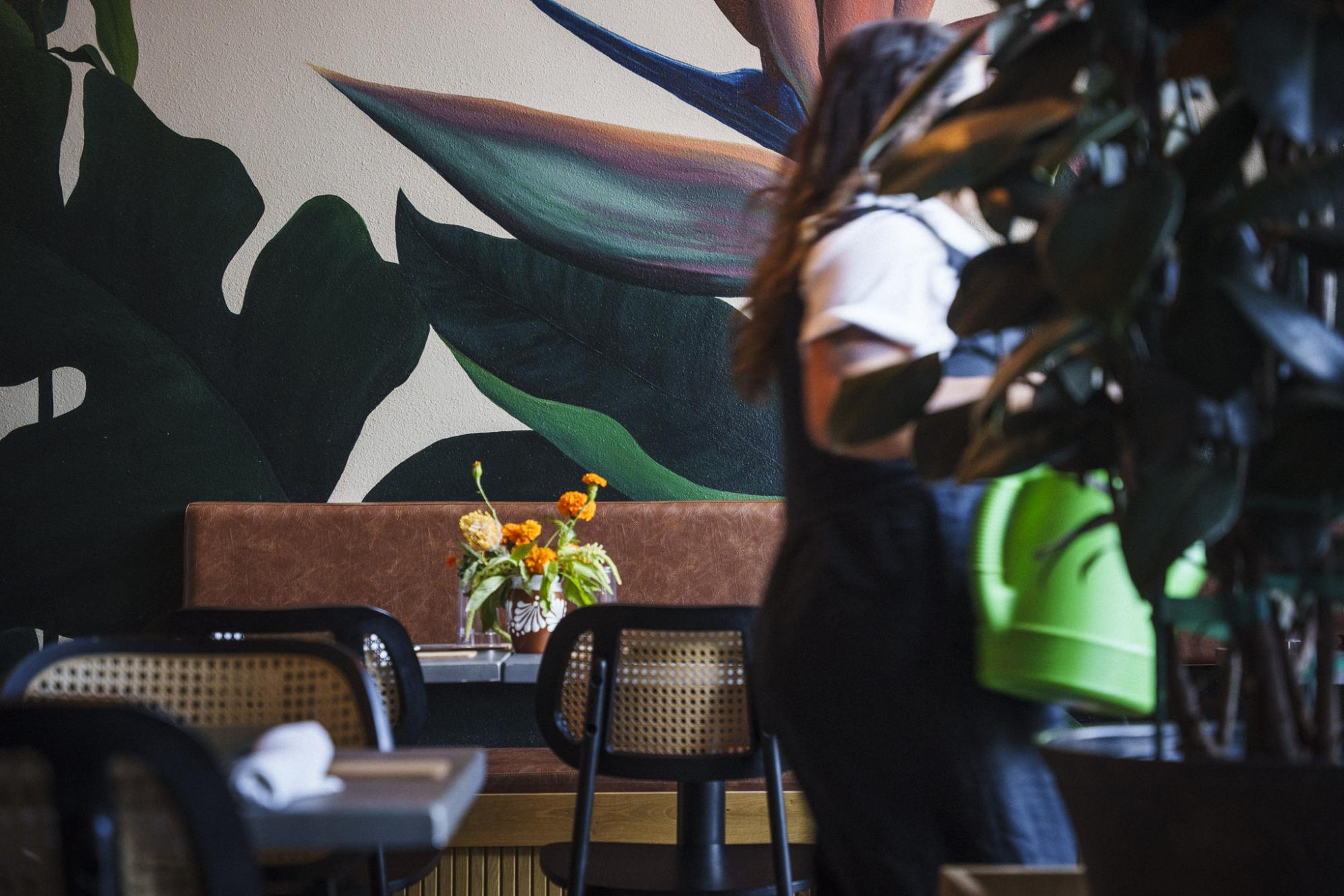
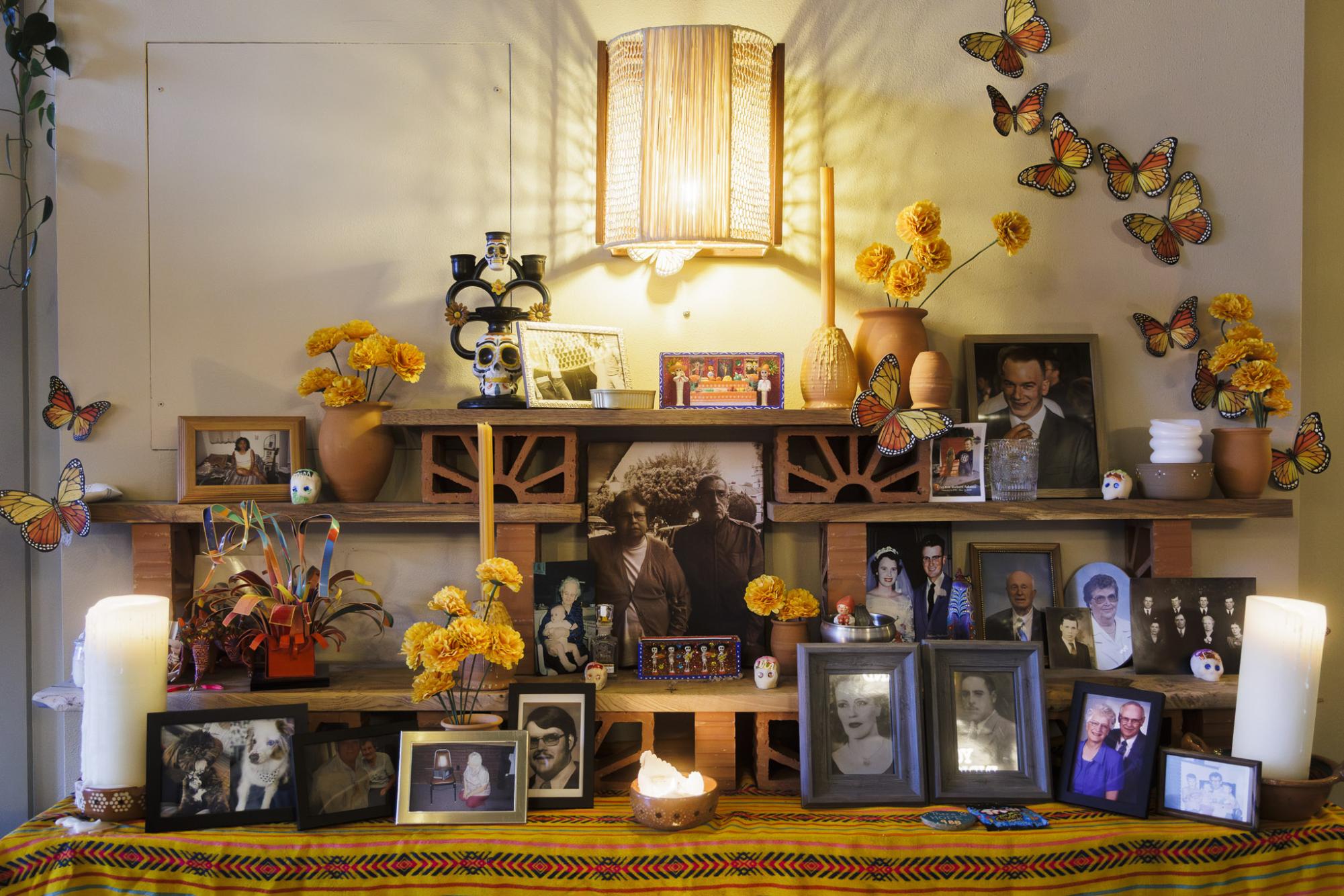
BibiSol opened its doors for the first time July 19, 2024, and, with homey decor and one-of-a-kind food for the area, Salas and her mother have begun to change the food culture in Sioux Falls.
“As a chef, I can attest to the fact that she follows the outlook of many good chefs, where she sources locally,” Taylor said. “She brought something to Sioux Falls that was lacking for a long time. She’s educating people on what actual Mexican cuisine is.”
Unlike the typical Tex-Mex eateries and restaurants that populate the Midwest, Salas’ recipes are deeply rooted in her culture.
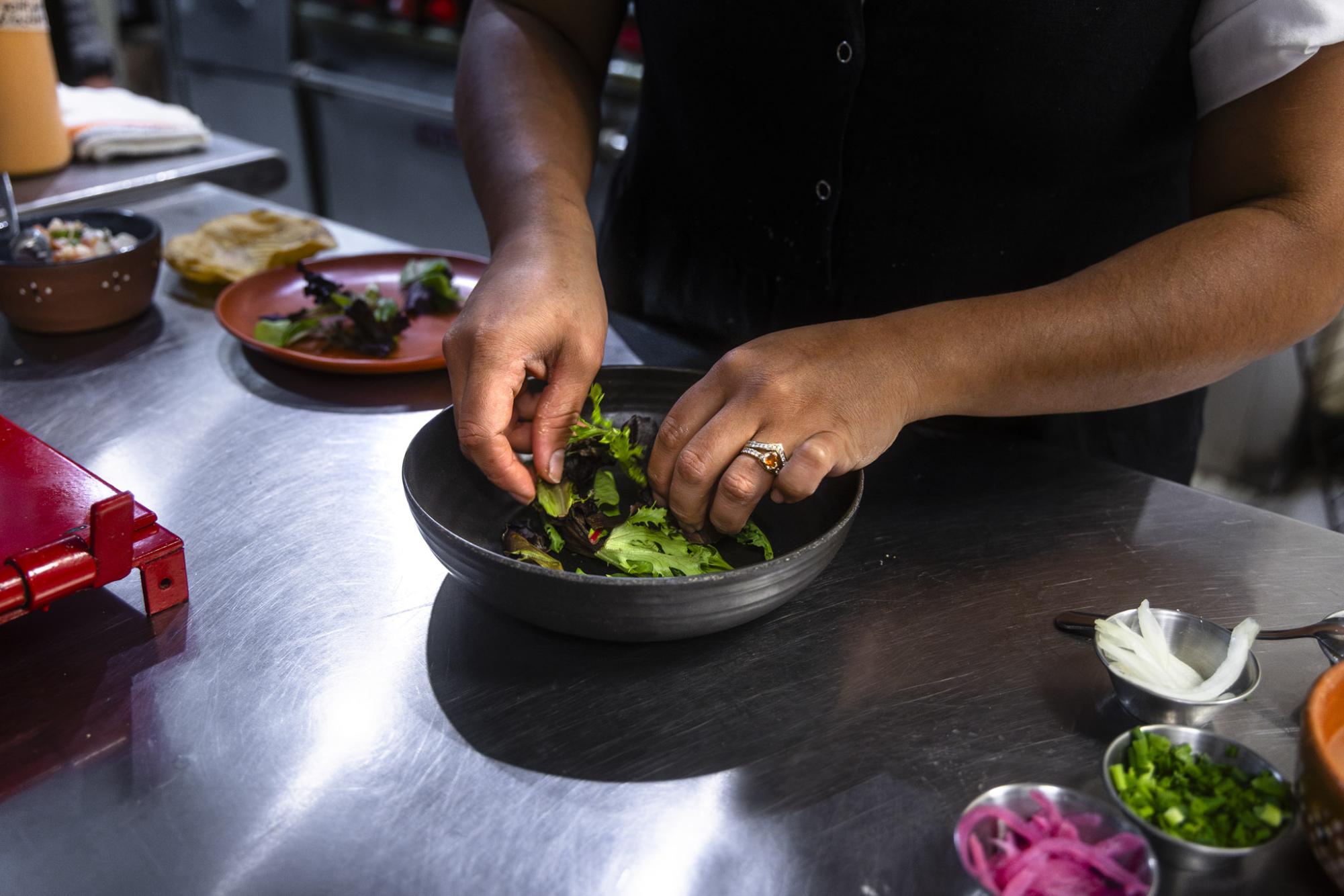
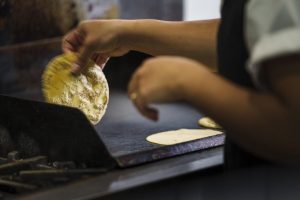
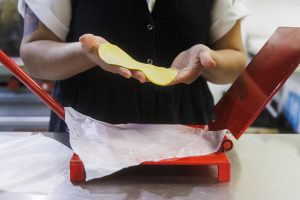
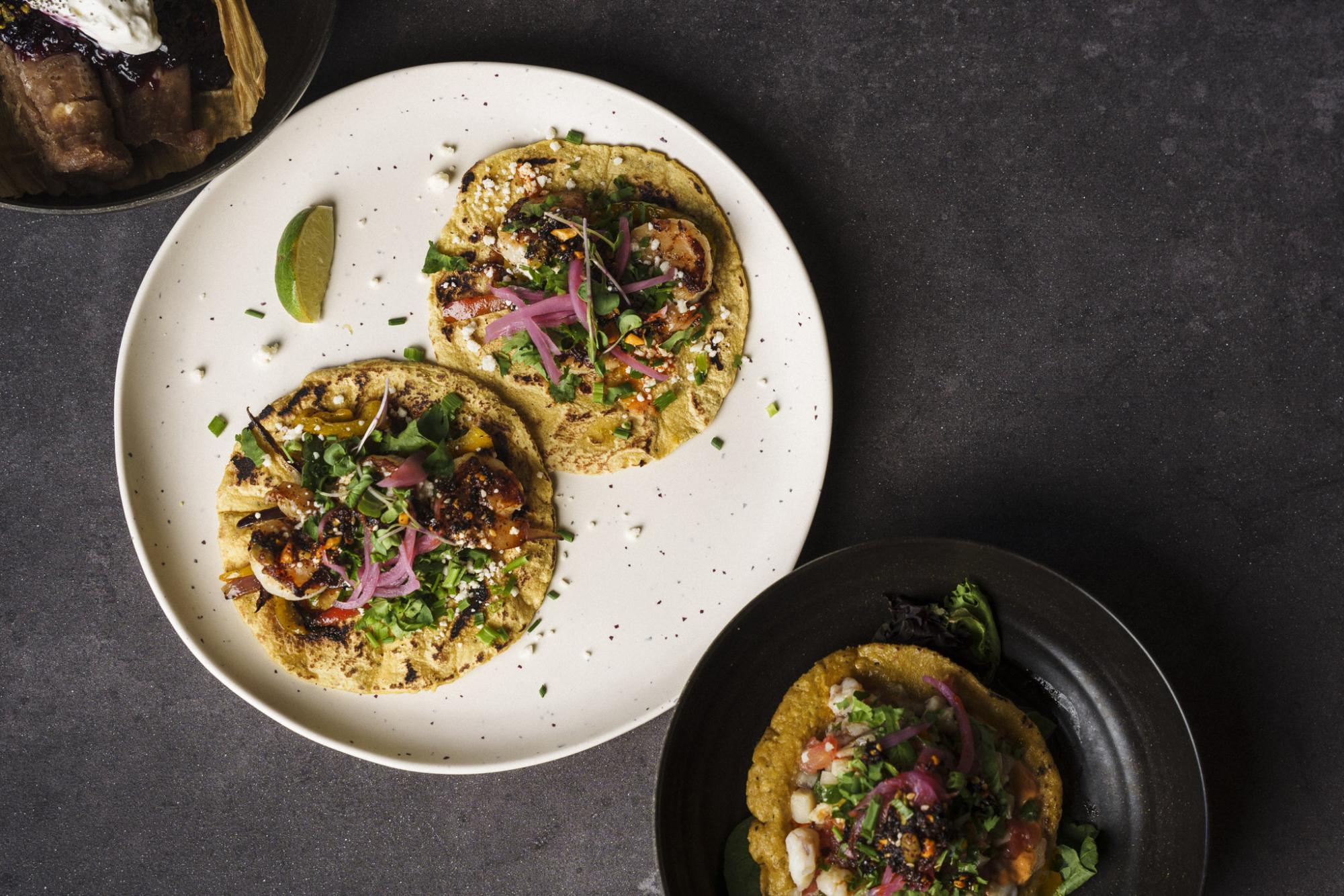
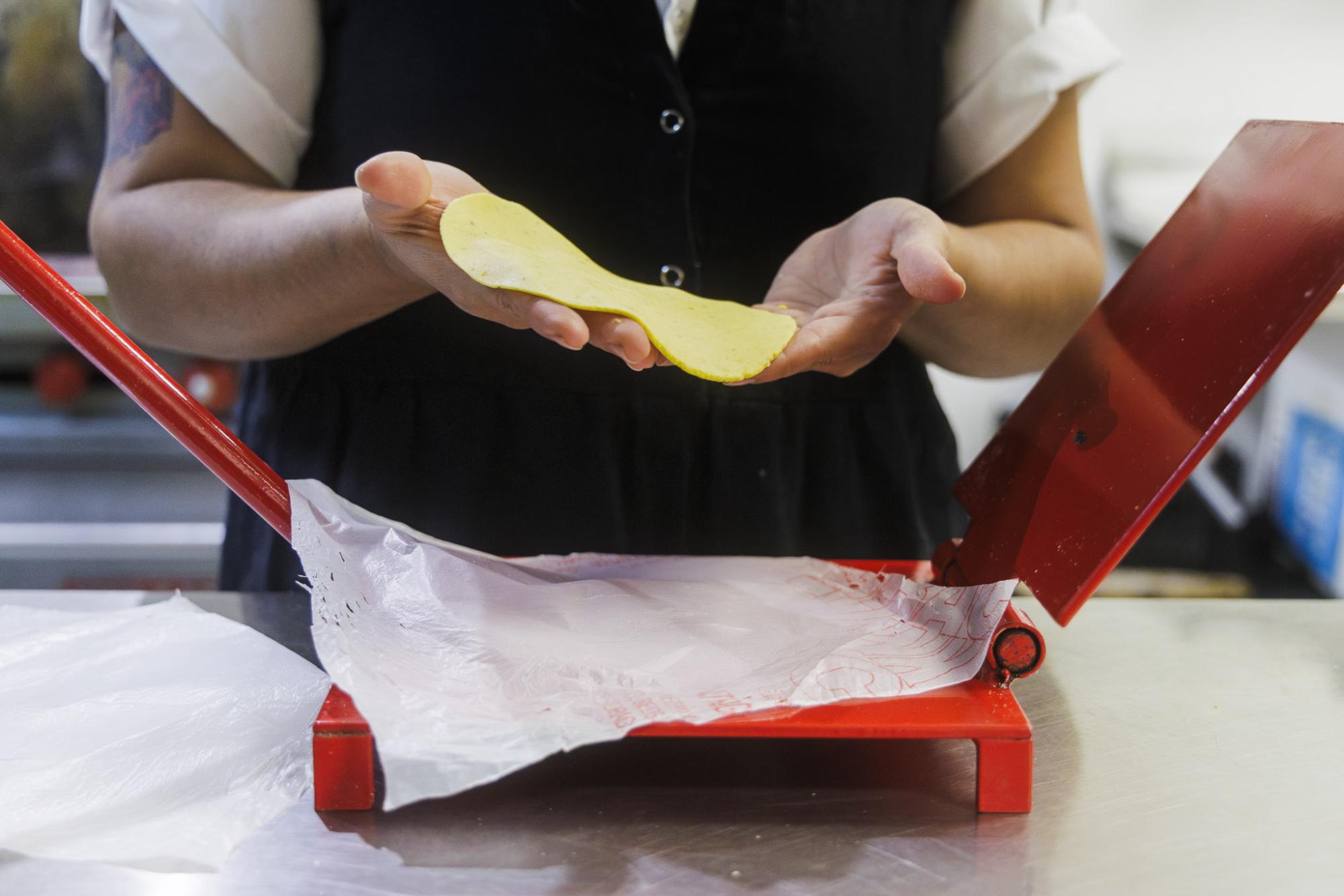
“We grind our own corn every day, and we bring in heirloom corn varieties from Mexico,” Salas said. “We’re mostly known for our hand-pressed tortillas and our masa-making technique that honors the indigenous technique and the landscape we’re a part of.”
A combination of classical training, experience and natural creativity allows Salas to keep the menu fresh with interesting and diverse dishes, but it’s her cultural identity and family roots that make her a true chef.
Originally from Veracruz, Mexico, Salas grew up around an extremely diverse food culture around the Port of Veracruz, one of the oldest and busiest ports in the Americas. Because of the high level of import/export business and slave trade coming in and out of the city, the culinary scene was a combination of many cultures.
“There’s a lot of Afro-Mexicans in that community, so there’s a lot of influence from Africa and Spain with different seeds and oils,” Salas said. “The cuisine is very interesting, and very heavy on seafood. I love being from Veracruz.”
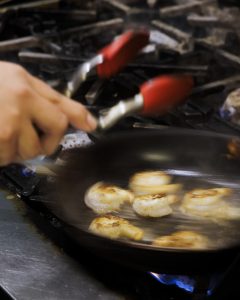
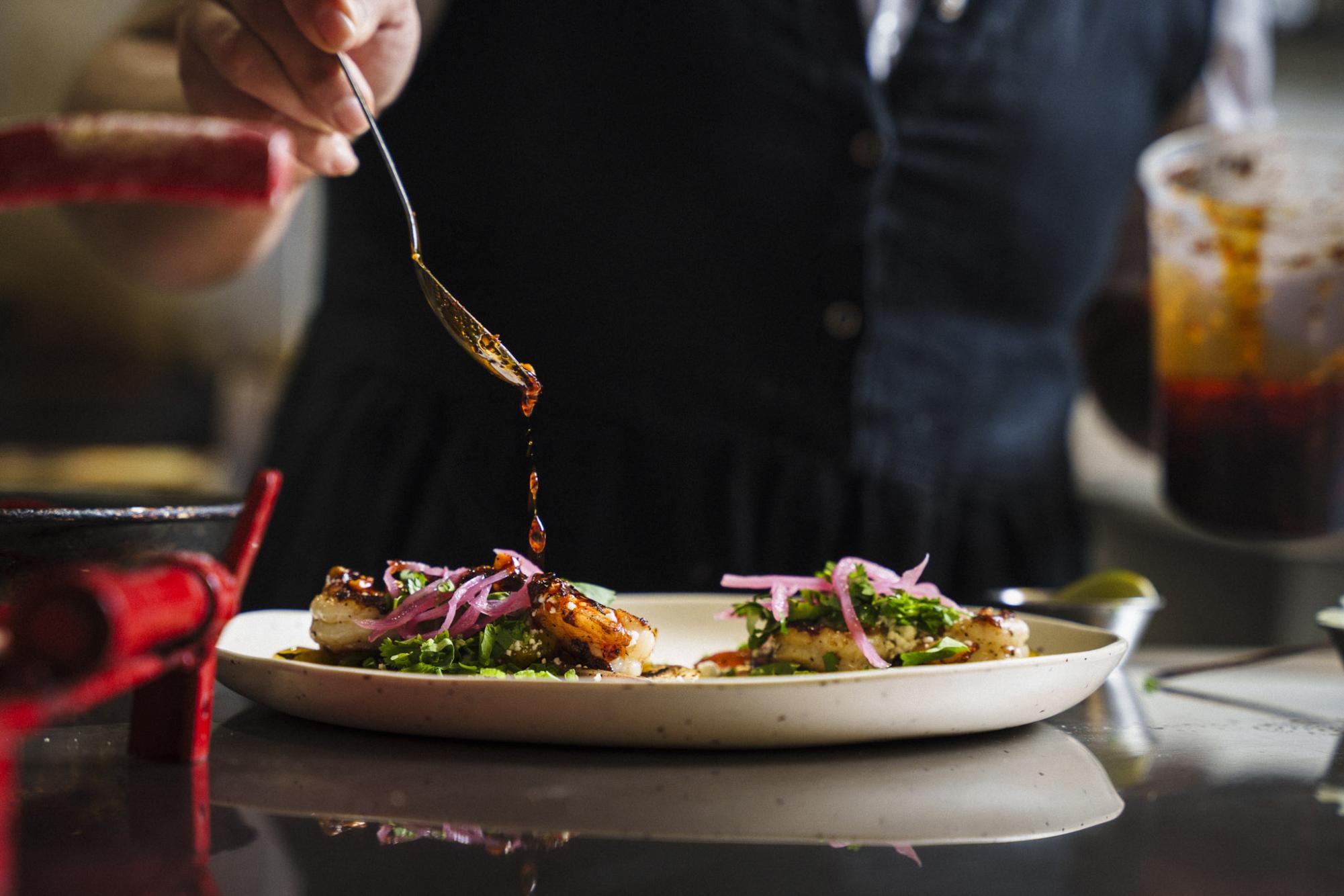
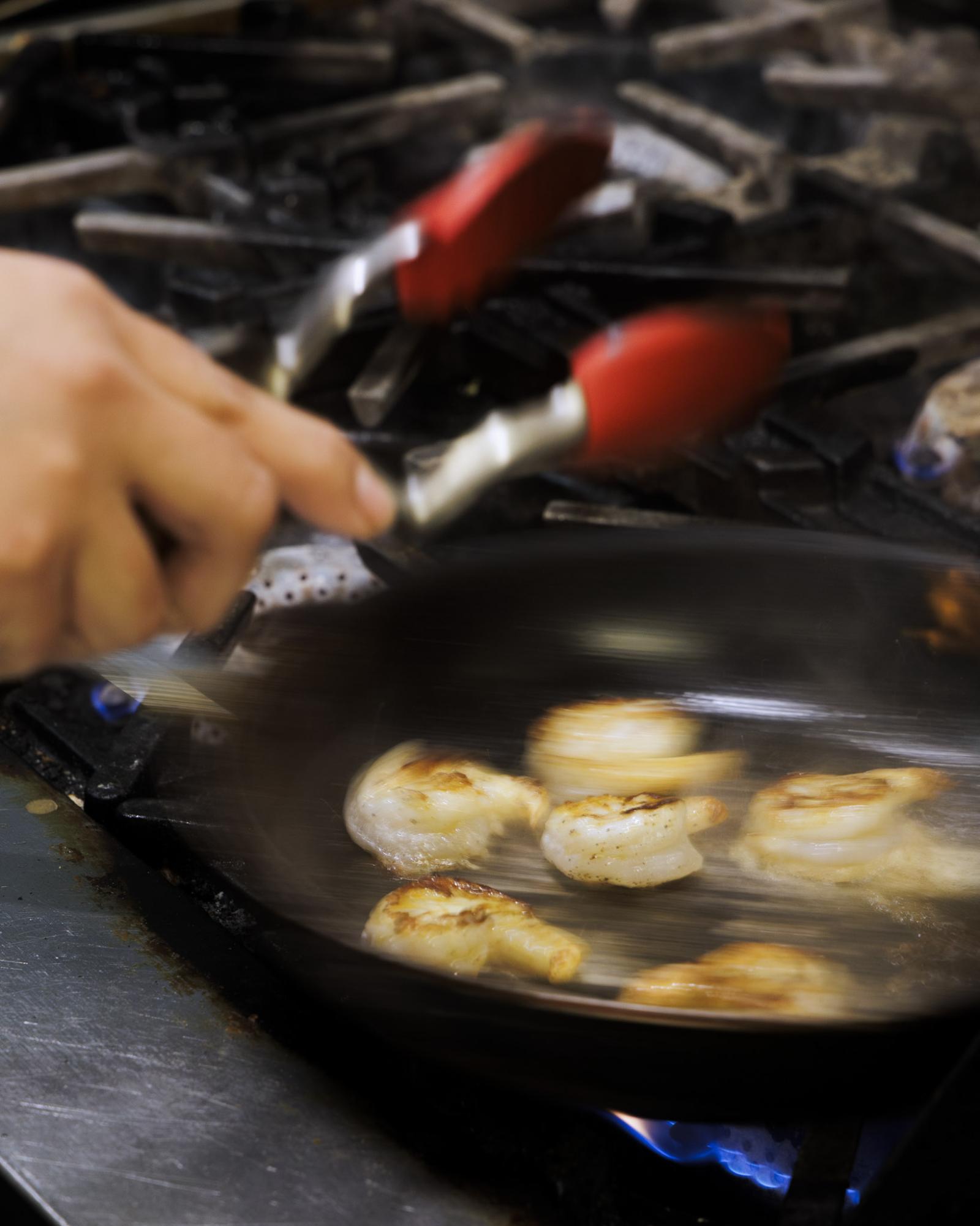
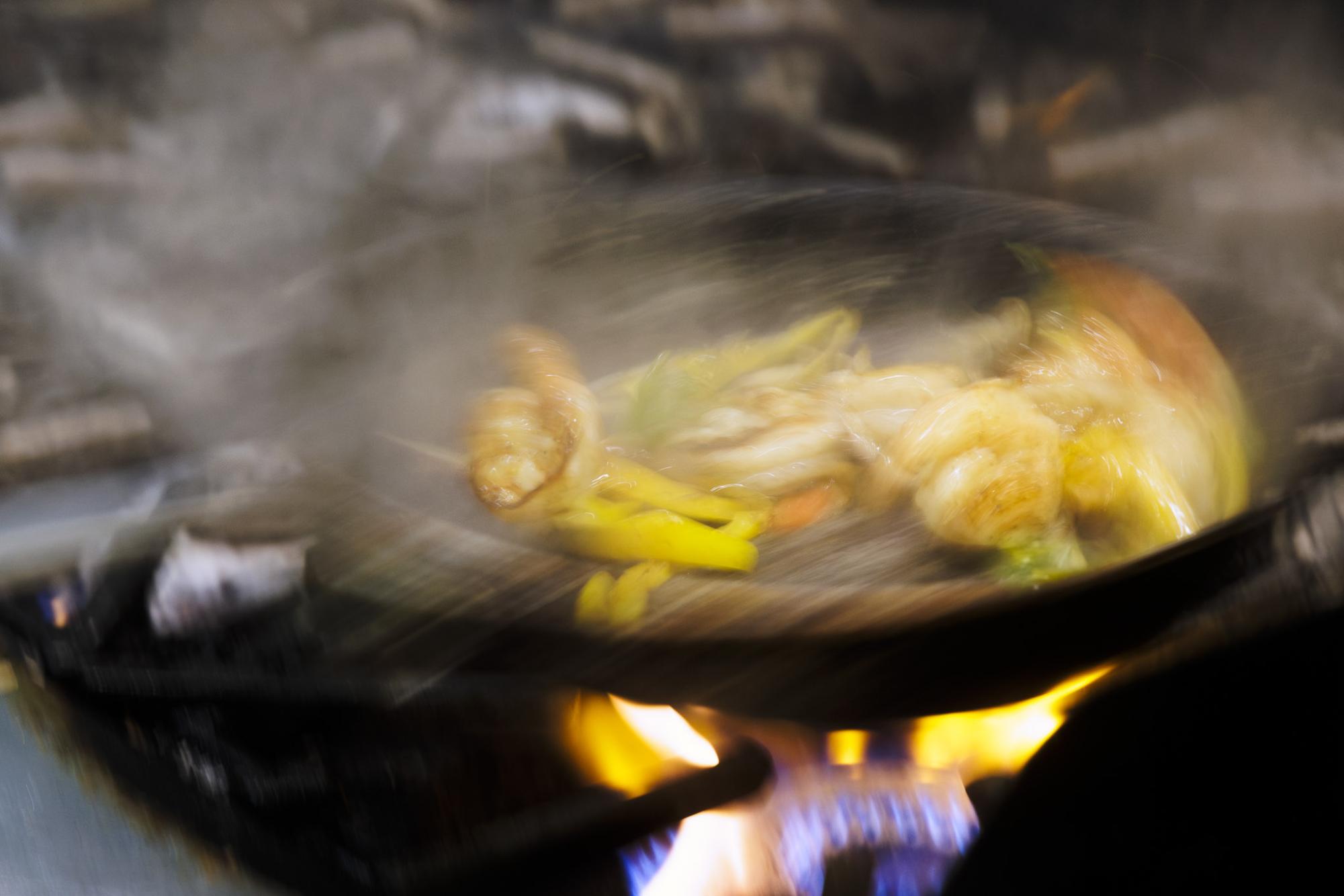
Salas’ time around the port played a large role in the development of her skills cooking with seafood and has definitely influenced her menu, which includes a shrimp and rock fish ceviche tostada and sautéed shrimp tacos.
However, with a goal of sharing as many authentic Mexican dishes as she can, Salas incorporates dishes and styles from many other regions of Mexico.
“My mom was actually born in Durango, which is on the other side of Mexico,” Salas said. “So she had the experience of eating food from northern Mexico, and the cuisines tend to vary a little bit.”
Although Salas tries her best to represent Mexican cuisine as best as she can, encapsulating the complexities and diversities of an entire country’s food culture within one menu is a tall order.
“I’m not going to say that our cuisine encompasses the entire cuisine of Mexico, but it is like a foundation of it,” Salas said. “Masa is a foundation of a lot of Mexican cuisine, and to be able to provide people an experience when they taste their first true masa product is so special.”
Masa, a dough made from corn that’s cooked in an alkali solution and ground into a paste, is what’s used to make many staples of Mexican cuisine, including tamales, gorditas and tortillas.
This process – nixtamalization – is what Salas employs to create her masa. It’s an ancient, indigenous technique. However, with the increase of mass production over the 20th century and the invention of Maseca instant corn flour in 1949, the traditional process has been almost completely abandoned in professional kitchens.
“[Maseca] led to a product that was so far removed from what it used to be originally,” Salas said. “So we made the decision to go back to our roots. This process of reconnecting with our indigenous roots has been really important to us.”
Although nixtamalization is a delicate and time-consuming process, Salas believes the quality is irreplaceable.
“The experience of trying a freshly ground and pressed tortilla is so special,” Salas said. “It’s so different – the mouth feel, the aroma – [people] can understand the nuances of it. We feel like our food is an opportunity for people to experience something they may have never had the opportunity to experience.”
Although Salas and BibiSol have been widely accepted into the culinary culture of Sioux Falls, introducing something new and attempting to invoke change in a culture will always come with some degree of pushback.
“We’re in a state where people sometimes just don’t appreciate [our food],” Salas said. “The concept of Mexican food is really skewed out here, and it’s been difficult to explain that to people because they have their expectations of what Mexican food should be. We’re just trying to educate people on a little bit different of a concept.”
In the Midwest, Tex-Mex restaurants have become widely accepted as the standard for “what Mexican food should be” – free chips and salsa, the uniform selection of quesadillas, burritos, tacos and a section for American food on the back of the menu.
“I feel like they’re pushing education in a lot of ways, not just food,” Taylor said.
For Salas, being a chef is much more than just creating good food – it’s about creating connections and spreading positivity in a world that can’t seem to stop trying to tear itself apart.
“Instead of coming together, there’s a lot of division and finger-pointing within our communities,” Salas said. “As restaurant owners in general, we should be creating community spaces where people can come together. Anybody who comes through these doors should feel safe and comfortable to be who they are or who they want to be – that’s my main priority.”
So far, Salas’ mission for inclusivity has connected with the downtown Sioux Falls community.
“We’ve gotten negative reviews, and we’ve had people online make comments that we should be deported or that someone should call I.C.E.,” Salas said. “We make sure not to let that affect us. Our main goal is to create a haven within our community, to make sure that our staff members feel comfortable coming to work and to honor the individual a little bit more.”
Salas refuses to be dissuaded from her mission to spread her ideals of kindness, acceptance and the importance of community.
“We can’t change the world overnight, but I think food is the universal language,” Salas said. “I think that’s the way we can connect with people – through shared meals and conversations.”
-
-
-
-

-
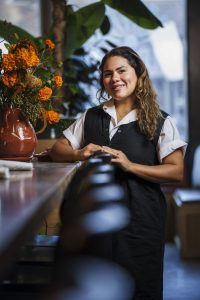
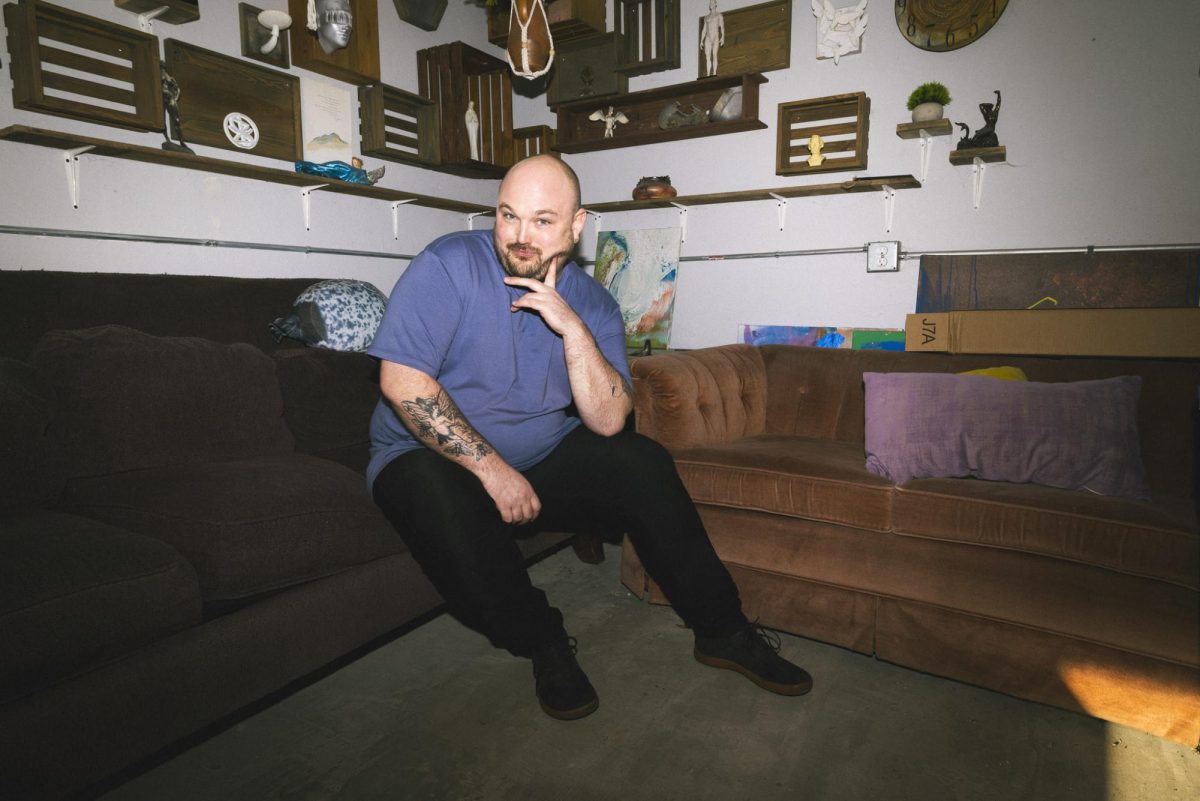
Marcela Salas, Chef and Owner of Bibisol in Sioux Falls, South Dakota.

-

-
-
-
-
-
-
-
-
-